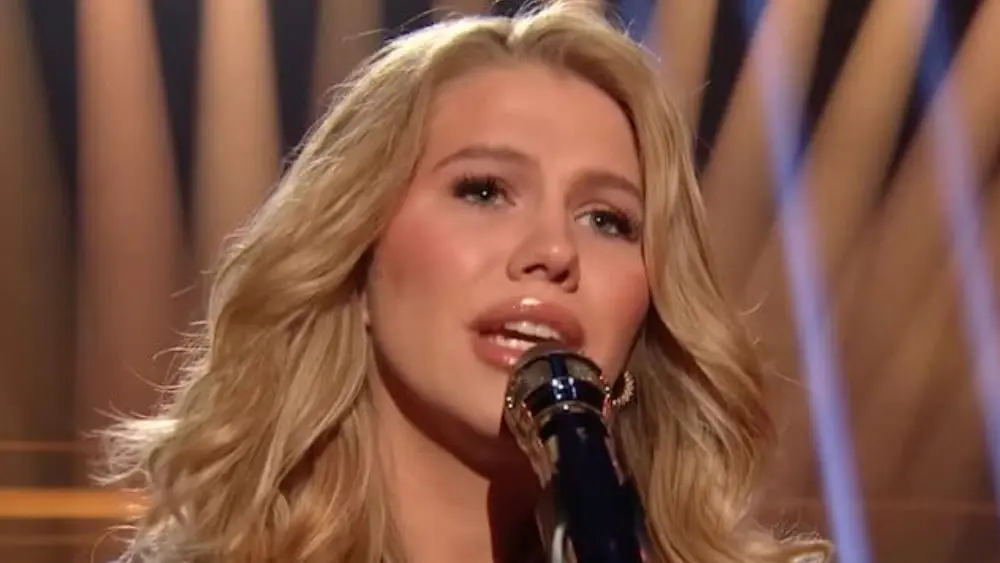
There are seasons of American Idol that feel like a competition. And then there are seasons that feel like something more—something layered, something quietly profound. This year, the Top 5 isn’t just a lineup of voices. It’s a convergence of stories rooted in belief, purpose, and something deeper than performance.
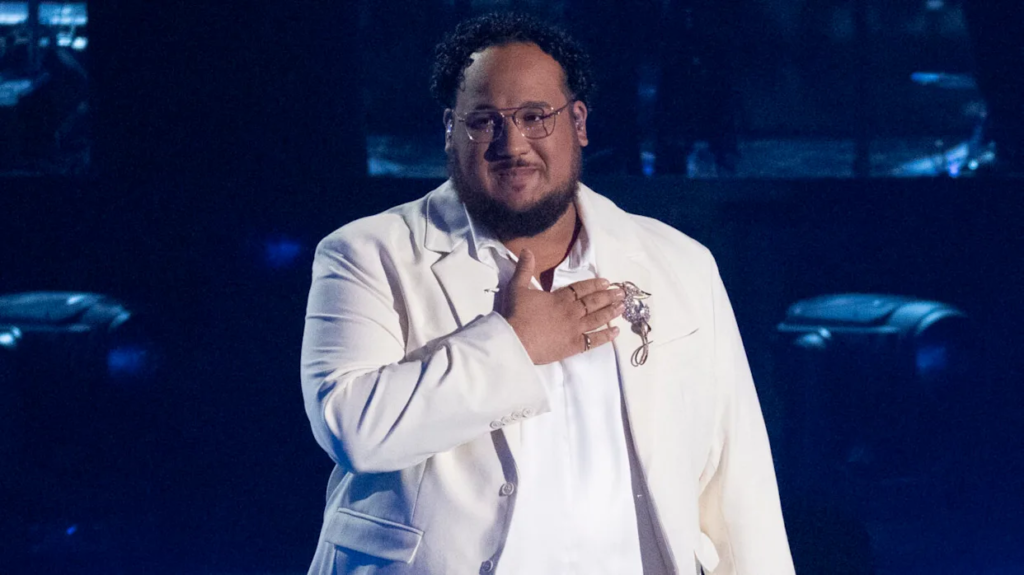
Because this time, the spotlight isn’t just revealing talent—it’s revealing intention.
Look closely at the finalists, and a pattern begins to emerge. A worship director. Two pastors’ sons. A pastor’s daughter who carries the weight and warmth of gospel tradition. And another contestant who didn’t just describe their performance as a chance to sing, but as “an opportunity to give an invitation.” Not to impress—but to reach.
That language matters.
In a show historically defined by range, control, and star quality, this season introduces something quieter but just as powerful: calling. These contestants aren’t just stepping onto the stage to be seen. They’re stepping onto it with something to say—something that often existed long before the cameras arrived.
And that changes the energy entirely.
Because when performance is tied to purpose, it moves differently. It feels less like a pursuit of validation and more like an extension of identity. You can hear it in the way notes are held—not just for effect, but for meaning. You can see it in the way they carry themselves—not with hesitation, but with a kind of grounded assurance that doesn’t rely on applause.
It’s not about perfection. It’s about connection.
Of course, faith has always had a quiet presence in music, especially in genres like gospel, soul, and even country. But rarely does it step so clearly into the center of a mainstream competition. Rarely does it shape the narrative of an entire Top 5 in such an unmistakable way.
And yet, here it is.
For some viewers, this is deeply resonant. It feels authentic, refreshing—a reminder that music can still carry meaning beyond entertainment. These contestants represent something familiar yet often underrepresented on this kind of stage: a life shaped by service, by community, by belief systems that extend beyond individual ambition.
But for others, it raises questions.
Is the competition becoming something different? Is there a shift in tone, in message, in what it means to “win”? These aren’t criticisms as much as they are reflections of how unique this moment feels. Because when a group of contestants shares such a strong foundational thread, it naturally changes how the audience interprets their performances.
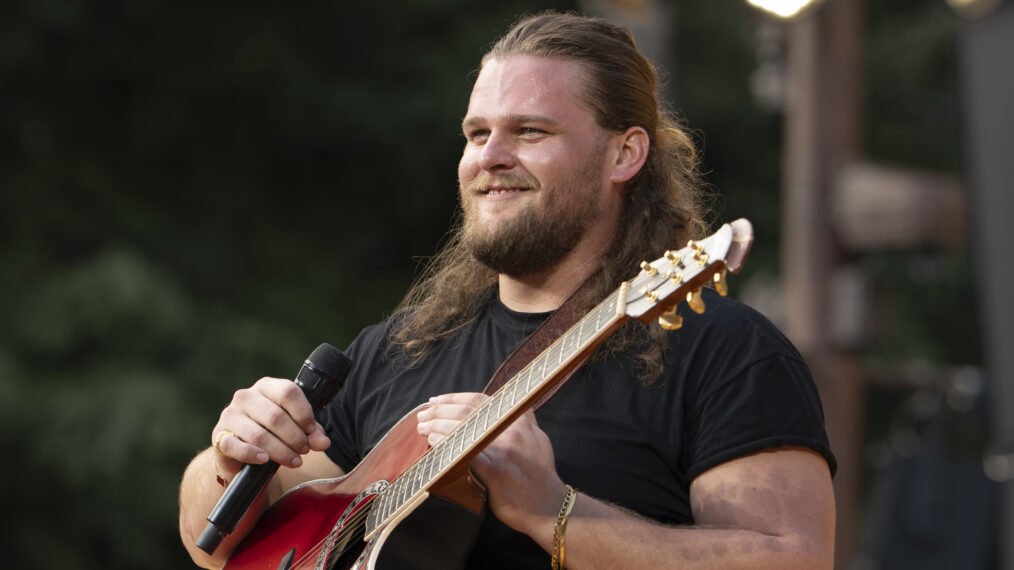
It adds weight.
When a worship director sings, it doesn’t just feel like a performance—it feels like a continuation of something they’ve been doing long before this stage. When a pastor’s son steps into a song, there’s an inherited understanding of message, of delivery, of reaching people beyond the melody. And when a contestant frames their time on the show as an “invitation,” it transforms the stage into something almost symbolic.
A platform, not just a spotlight.
And yet, what makes this moment compelling isn’t the similarity of their backgrounds—it’s how differently they express them. Faith, after all, isn’t a uniform experience. It shapes people in unique ways, influencing not just what they sing, but how they interpret the world around them.
That diversity within a shared foundation is where the real story lives.
Because at the end of the day, American Idol is still a competition. Votes will be cast. One name will rise above the rest. But this season introduces a subtle shift in what victory might represent. It’s no longer just about vocal dominance or stage presence. It’s about impact—about whether a performance lingers, not just in memory, but in feeling.
That’s harder to measure.
And perhaps that’s why this Top 5 feels different. Not better, not worse—just different. There’s a sincerity woven into their performances that resists spectacle. A kind of stillness that contrasts with the usual urgency of competition. They’re not rushing to prove—they’re taking time to express.
And audiences are responding to that in their own ways.
Some are drawn in, finding comfort and meaning in the authenticity. Others remain focused on the technical aspects, evaluating range, control, versatility. Both perspectives are valid, and both are part of what makes this moment so layered.
Because this isn’t just about music anymore.
It’s about what music carries.
As the finale approaches, the question isn’t simply who has the strongest voice. It’s who has created the strongest connection. Who has turned a stage into something more than a performance space. Who has used their moment not just to be heard, but to be felt.
And maybe that’s the quiet transformation happening this season.
Not a reinvention of the show—but a reminder of its depth.
Because sometimes, the most powerful voices aren’t the ones reaching for the highest notes.
They’re the ones reaching for something beyond them.