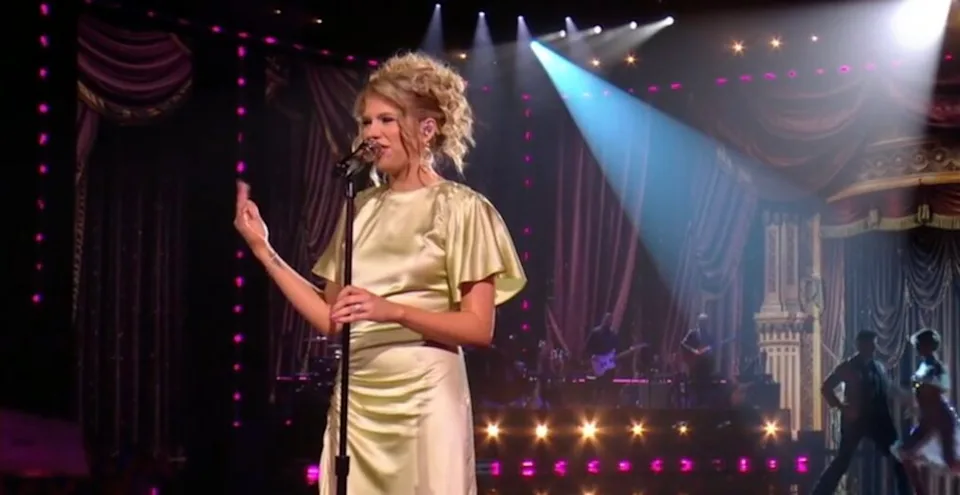
The finale of American Idol Season 24 is beginning to feel less like a television competition and more like a cultural collision waiting to happen. With only three contestants left standing — Jordan, Hannah Harper, and Keyla — fans are no longer just debating vocals or performances. They are debating influence, momentum, loyalty, and what actually determines a winner in modern entertainment.

Because right now, the season appears to be heading toward one explosive question:
Can a judges’ favorite defeat an internet phenomenon when the final votes are counted?
That tension has quietly become the defining storyline of the entire season.
On one side stands Jordan — polished, consistent, technically gifted, and repeatedly praised by the judges as one of the competition’s strongest overall performers. Week after week, the panel has highlighted his control, professionalism, and ability to command difficult songs with confidence. In many ways, Jordan represents the traditional Idol success story: a contestant whose artistry earns respect from industry veterans sitting behind the desk.
Then there is Hannah Harper.
If Jordan has dominated the judges’ table, Hannah has conquered the internet itself.
What began as admiration for her emotional country performances has evolved into something much larger than ordinary fan support. Hannah’s clips spread across social media with unusual intensity. Her performances generate emotional reactions, debates, edits, reposts, and passionate fan campaigns that seem to grow louder every single week. She has become the contestant people talk about even after the episode ends.
And in today’s entertainment landscape, attention is power.
That is what makes this finale so fascinating.
Historically, American Idol winners were often shaped primarily by live television audiences and judge commentary. But modern Idol operates inside a completely different ecosystem now — one where TikTok clips, online fan communities, viral reactions, and emotional storytelling can sometimes outweigh traditional industry approval.
Hannah Harper embodies that shift perfectly.
She does not simply perform songs. She creates moments people emotionally attach themselves to online. Fans do not just admire her voice; they defend her, promote her, and rally behind her like a movement. That level of internet loyalty can become incredibly dangerous in a finale because passionate online audiences tend to vote relentlessly.
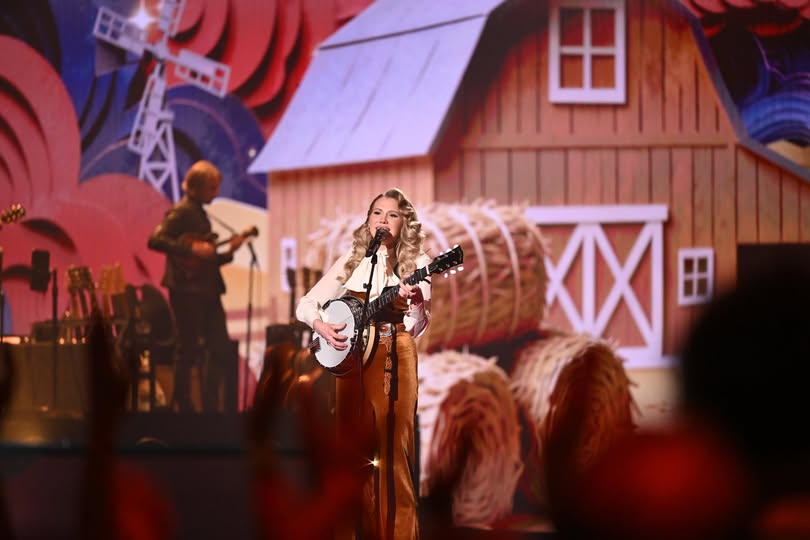
Meanwhile, Jordan’s support feels rooted in a different kind of strength.
He carries the confidence of someone consistently validated by the judges and respected for his versatility. While Hannah thrives through emotional authenticity and fan connection, Jordan often wins audiences over through refinement and technical execution. He looks comfortable inside almost any genre or arrangement, which makes him feel incredibly reliable as a potential winner.
In many ways, this finale is shaping into a battle between two completely different definitions of star power.
Jordan represents precision.
Hannah represents emotional impact.
And somewhere in the middle stands Keyla — arguably the most unpredictable contestant remaining.
While much of the attention has centered around the apparent Jordan-versus-Hannah showdown, Keyla’s presence still complicates everything. She has consistently delivered memorable performances and proven capable of surprising audiences at the perfect moments. Wildcard contestants have historically changed finale outcomes before, especially when fanbases become split between two frontrunners.
That possibility makes the ending even more dangerous to predict.
Still, the numbers and online energy continue pushing the conversation toward Jordan and Hannah as the true collision course waiting ahead. Fans have already started framing the finale as a symbolic showdown between traditional entertainment authority and digital-era audience influence.
And honestly, that framing may not be entirely wrong.
The judges clearly admire Jordan’s consistency and professionalism. His performances often feel carefully crafted, controlled, and competition-ready. He gives the impression of someone prepared for the music industry immediately.
Hannah, on the other hand, feels emotionally unpredictable in the best possible way. Her performances resonate because they seem deeply personal rather than strategically polished. She creates vulnerability onstage, and audiences connect to that vulnerability intensely.
That emotional connection is becoming impossible to ignore.
Every season of American Idol eventually reaches a point where the competition stops being purely about singing ability. It becomes about narrative. About momentum. About who people feel emotionally invested in supporting all the way to the finish line.
Right now, Hannah appears to own that emotional momentum online.
But Jordan owns something equally powerful: credibility.
And credibility still matters enormously in competitions like this.
What makes this finale especially compelling is that neither contestant feels like an accidental frontrunner. Both earned their positions through completely different paths. Jordan steadily built trust with polished performances and judge approval. Hannah built emotional loyalty by refusing to compromise her authenticity and connecting deeply with audiences week after week.
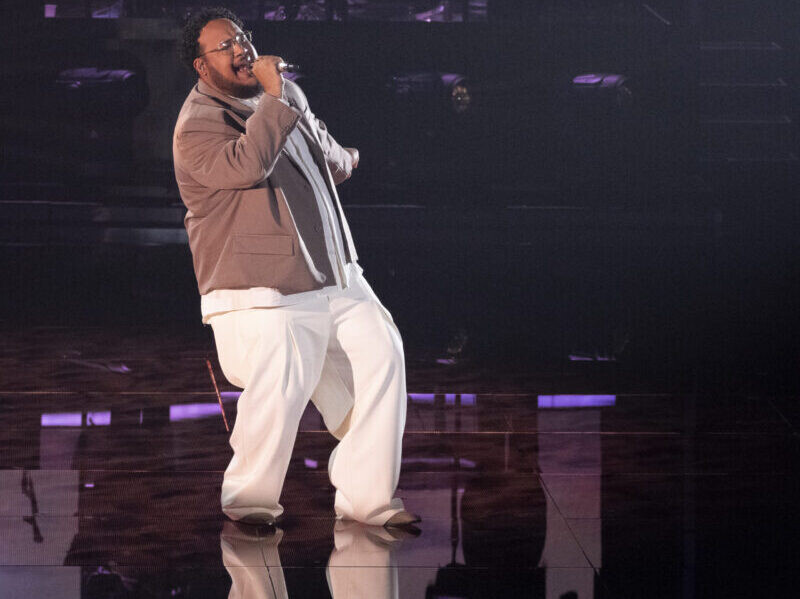
That contrast has created one of the most intriguing Idol endings in years.
Because no matter who wins, the result will likely say something larger about where music competitions — and perhaps entertainment itself — are heading next.
Will America choose the contestant celebrated by industry voices for technical excellence and versatility?
Or will viewers hand the crown to the artist who transformed social media support into unstoppable cultural momentum?
That question now hangs over every remaining performance, every voting window, and every emotional reaction online.
And when finale night finally arrives, the answer may not just decide a winner.
It may reveal which kind of star modern audiences truly want most.