There are performances that entertain, and then there are performances that feel like they’ve been waiting years to be heard. On this particular Monday night of American Idol, Hannah Harper didn’t just sing—she arrived. In a competition built on versatility and risk, she chose something far more dangerous: honesty.
While the episode carried a playful energy with its dual themes, many contestants leaned into familiar territory—big pop anthems, crowd-pleasing soul, polished moments designed to impress. But Hannah made a quieter, braver decision. She turned the California song challenge into something deeply personal, filtering it through her country roots instead of chasing what the moment demanded.
That choice alone could have set her apart. But it was what she did with it that truly changed everything.
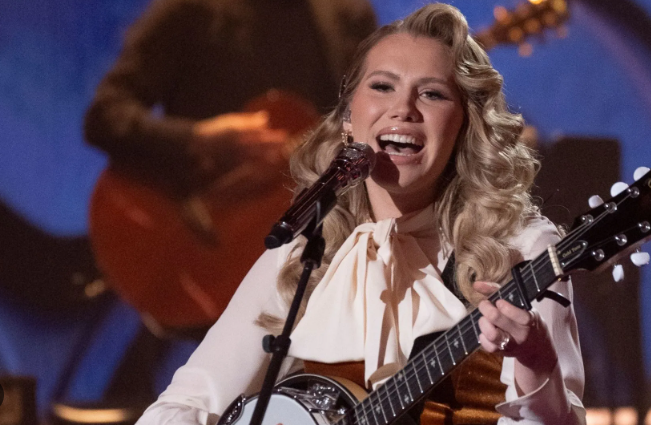
She opened the night with a light, banjo-laced performance that showed a side of her audiences have grown to love—warm, grounded, and effortlessly charming. It wasn’t flashy, but it didn’t need to be. It felt like home. And in a competition where contestants often feel the pressure to transform into something bigger, Hannah reminded everyone that sometimes, staying the same is the boldest move of all.
Then came the shift.
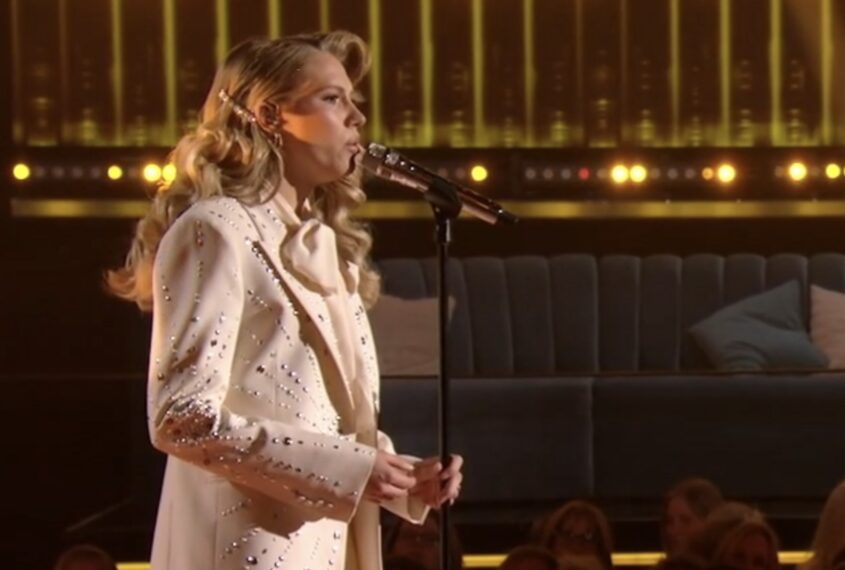
As the stage softened and the lights dimmed, Hannah stepped into a completely different space—one that didn’t ask for applause, only attention. Her rendition of “That’s The Way Love Goes,” originally by Merle Haggard, wasn’t performed—it was lived. Every lyric felt anchored in something real, something she wasn’t trying to prove, only share.
And that’s where the moment changed.
Before the performance, Hannah spoke about her husband—about the quiet, unwavering support that has carried her through this journey. It wasn’t framed as a dramatic backstory or a strategic reveal. It was simple. Honest. Necessary. And when she began to sing, that story didn’t sit beside the song—it became the song.
Her voice didn’t overpower the room. It didn’t reach for grandeur or technical showmanship. Instead, it settled into something softer, steadier. Each note felt intentional, almost careful, like she was protecting the meaning behind it. And in doing so, she created a rare kind of connection—one that doesn’t ask to be noticed but demands to be felt.

You could see it happening in real time.
The audience grew still. The kind of stillness that doesn’t come from boredom, but from recognition. The judges, too, seemed to lean in rather than react outwardly. There were no exaggerated expressions, no immediate interruptions—just a shared understanding that something genuine was unfolding.
And when the final note faded, the response said everything that words couldn’t.
The standing ovation wasn’t explosive—it was earned. It carried weight, respect, and a quiet acknowledgment that this wasn’t just another strong performance. It was a defining one. The kind that shifts perception. The kind that turns a contestant into a contender.
Because what Hannah achieved in that moment wasn’t just vocal success—it was identity.
For weeks, she has been building toward this. From early critiques about stage presence to steady growth across each round, her journey has been less about reinvention and more about refinement. She didn’t abandon who she was to compete—she clarified it.
And now, heading into the Top 5, that clarity might be her greatest advantage.
In a field where versatility is often rewarded, Hannah is proving something even more powerful: consistency rooted in truth can be just as compelling. She’s not trying to be everything. She’s choosing to be unmistakably herself—and trusting that it’s enough.
That’s a risk not every artist is willing to take.
Because staying true doesn’t always guarantee applause. It doesn’t always translate to votes. But when it works, when it lands the way it did for Hannah, it creates something far more lasting than a single moment. It creates belief.
And belief is what wins.
As the competition narrows and the pressure intensifies, the question is no longer whether Hannah Harper can deliver. She already has. The real question now is whether anyone else can match the kind of quiet, undeniable impact she just made.
Because sometimes, the loudest statement isn’t the one that shakes the room.
It’s the one that silences it.