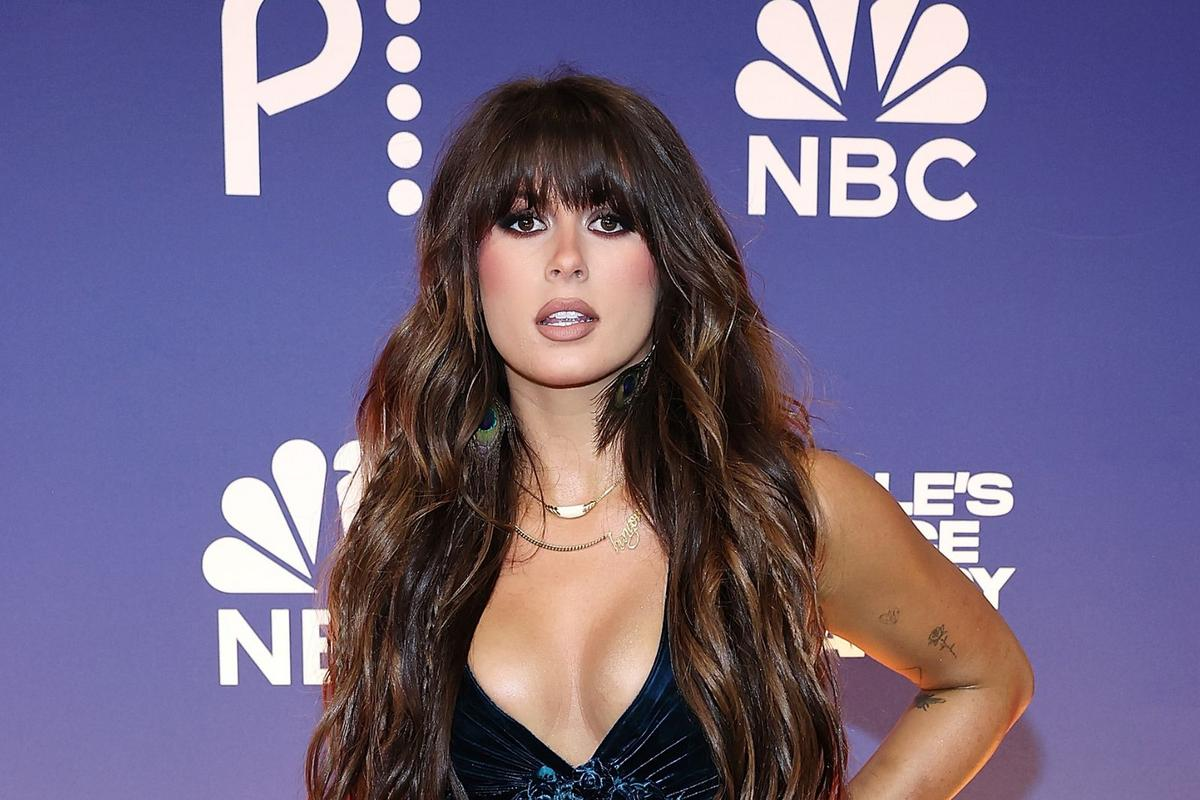
Ella Langley has once again found herself at the center of a cultural conversation that extends far beyond music charts. What began as a simple social media observation quickly escalated into a wave of criticism online, after fans noticed her following commentator Charlie Kirk on TikTok. Within hours, timelines filled with debate, assumptions, and attempts to “cancel” the rising country artist… but what happened next completely shifted the narrative.
The controversy didn’t quiet her rise—it amplified it.
Instead of retreating from the spotlight, Ella’s music began to gain even more traction. Listeners who had never engaged with her work started pressing play out of curiosity, while loyal fans doubled down in support. In an unexpected turn, attention—both critical and supportive—became fuel for her momentum rather than resistance against it.

At the center of this surge was her latest album, which climbed rapidly and ultimately reached No. 1 nationwide. The timing made the achievement even more striking, as the conversation around her name was louder than ever, yet her music remained the constant focus for millions of listeners.
What stands out most in this moment is how quickly public attention can shift from criticism to consumption. In Ella’s case, the noise didn’t interrupt the trajectory of her career—it accelerated it. Streaming numbers rose, discussions intensified, and curiosity turned into measurable success.
Industry observers have noted that moments like these are not uncommon in the digital age, where controversy often translates into visibility. But what separates fleeting attention from lasting impact is the strength of the work itself—and in Ella’s case, the music carried its own weight.
Her rise also highlights a familiar pattern in modern entertainment: audiences may engage with headlines first, but they stay for authenticity. Once listeners connected with the album, the surrounding discourse began to fade into the background, replaced by the songs themselves.
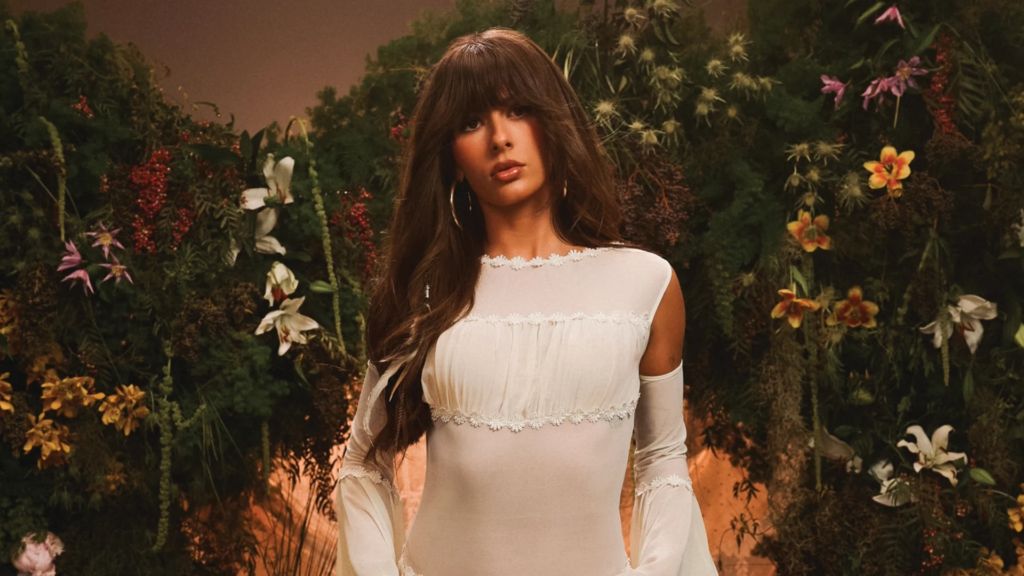
Fans defending her pointed out that music should ultimately speak louder than online speculation. For them, the situation reinforced a belief that artistic output deserves to be judged separately from social media narratives.
Meanwhile, critics and observers continued to dissect the moment, turning it into a broader discussion about cancel culture, attention cycles, and how quickly public opinion can shift in real time. Yet despite the noise, Ella remained focused on the work that brought her to this point.
The most striking part of her chart success is not just the No. 1 position itself, but how it was achieved under pressure. Rather than slowing her down, the controversy created a paradox where visibility and success grew simultaneously.
As the dust settles, one thing becomes clear: Ella Langley’s rise is not simply a story of backlash or support. It is a reminder that in today’s music landscape, attention is unpredictable—but when paired with strong artistry, it can transform even the most chaotic moment into a defining milestone.