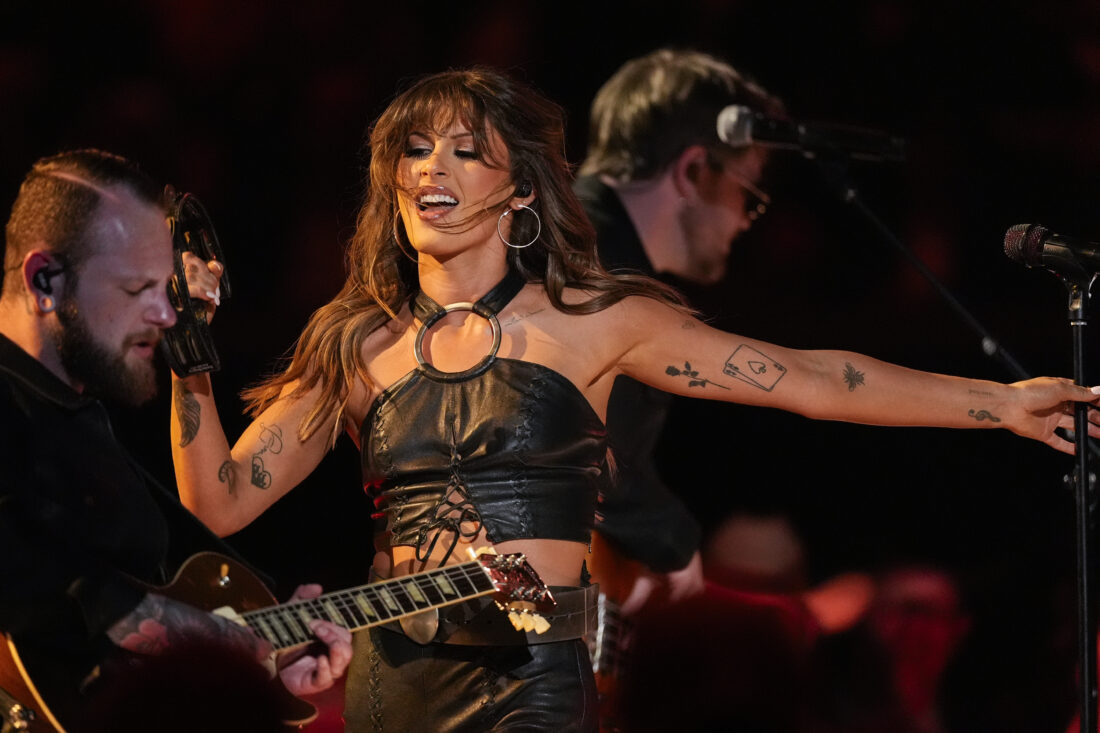
There are moments in music that feel like quiet revolutions—no sudden explosion, no dramatic announcement, just a shift you can feel before you can fully explain it. Ella Langley is standing in the center of one of those moments. Not because she asked for it, but because her music made it unavoidable.
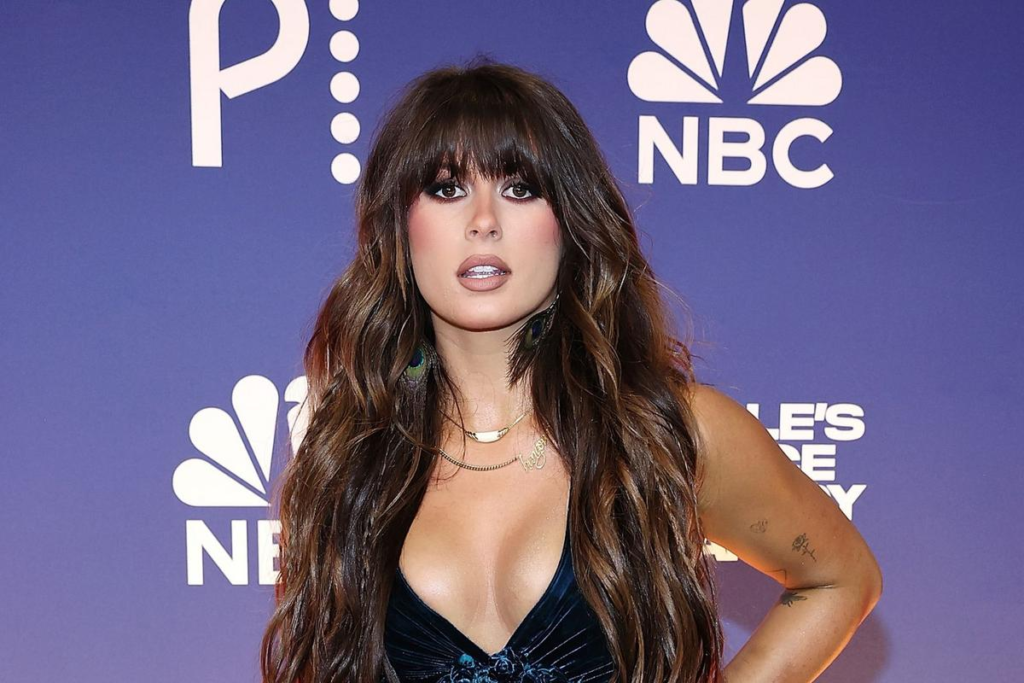
For years, country music has operated within invisible boundaries. Who gets labeled “traditional.” Who gets labeled “commercial.” Who is allowed to cross over—and at what cost. These lines weren’t always spoken, but they were always felt. And most artists learned quickly where they were expected to stand.
Ella Langley didn’t ignore those lines.
She stepped over them.
What makes her rise so compelling isn’t just that she’s charting—it’s how she’s doing it. With “Be Her,” she delivered something that didn’t feel engineered for radio trends or algorithmic success. It felt lived-in. Raw. Honest in a way that doesn’t try to impress, but instead invites you in.
And somehow, that honesty translated across formats.
Pop listeners didn’t feel like they were borrowing from country. Country listeners didn’t feel like they were losing something to pop. The song didn’t compromise to reach both—it connected to both because it refused to become anything other than itself.
That’s a rare balance.
Even rarer is what it signals.
Because when an artist crosses into multiple spaces without diluting their identity, it challenges the structure that says those spaces must remain separate. It exposes the idea that genre isn’t a boundary—it’s a starting point.
And Ella’s voice carries that message effortlessly.
There’s a texture to it. A kind of grit that doesn’t feel polished down for accessibility. It carries weight, not just technically, but emotionally. When she sings, it doesn’t sound like performance—it sounds like memory. Like something she’s already lived through and is now letting the audience hold.
That’s why the momentum feels different.
It’s not built on hype. It’s built on recognition.
Listeners are recognizing something they’ve been missing. A voice that doesn’t soften itself to fit expectations. A perspective that doesn’t ask for approval before it speaks. And in doing so, Ella isn’t just gaining fans—she’s reshaping what fans expect.
The anticipation around “Dandelion” only amplifies that shift. Not because it needs to outperform what came before, but because it represents continuation. It suggests that this isn’t a moment—it’s a direction.
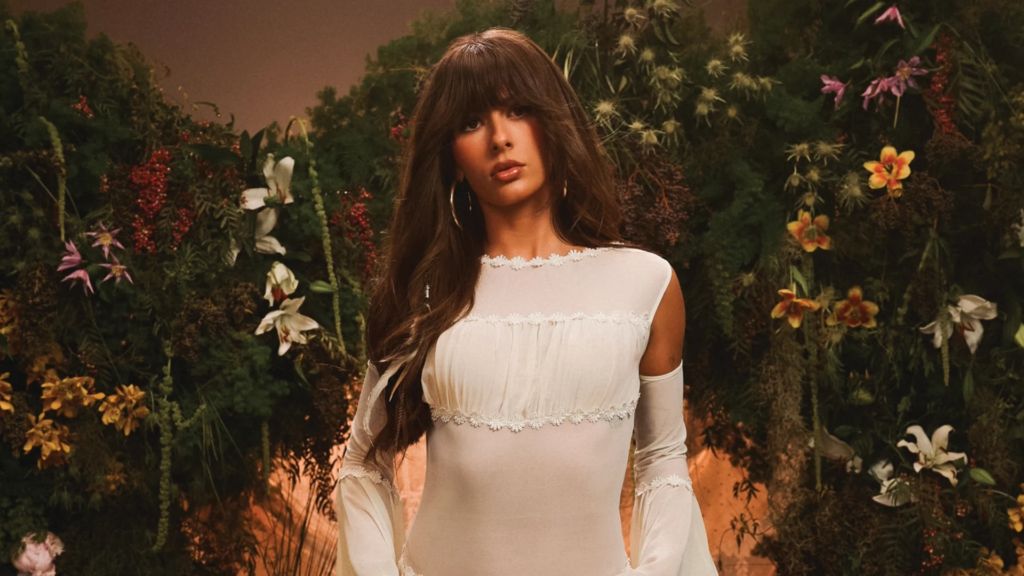
And direction is what changes industries.
For a long time, women in country music have had to navigate a narrow path. Be strong, but not too sharp. Be emotional, but not too raw. Be authentic, but still marketable. It’s a balancing act that has quietly limited how far certain voices could go.
Ella’s presence disrupts that balance.
She doesn’t soften. She doesn’t adjust her edges. She doesn’t reshape her voice to fit a template that was never designed for her in the first place. And because of that, she creates space—not just for herself, but for others.
That’s where the real impact begins.
Because every time an artist succeeds without conforming, it widens the door for the next one. It tells the industry that audiences are ready for something different. That they’re not just willing to accept it—they’re looking for it.
And the industry, slow as it can be, always follows where the audience leads.
There’s also a quiet defiance in the way Ella’s rise is unfolding. It doesn’t feel like a campaign. It doesn’t feel like a push. It feels like inevitability. Like something that was always going to happen, once the right voice met the right moment.
That’s why it feels bigger than charts.
Charts measure success. They don’t always capture impact.
And the impact here is already visible. Conversations are shifting. Expectations are loosening. The idea of what a country artist can sound like—how far they can reach without losing themselves—is being redefined in real time.
It’s not loud.
But it’s lasting.
So when people say Ella Langley broke the charts, they’re not wrong. But they might be missing the bigger picture.
She didn’t just break through a system.
She exposed its limits.
And in doing so, she made it clear that the next generation of country artists isn’t waiting to be invited into the conversation.
They’re already changing it.