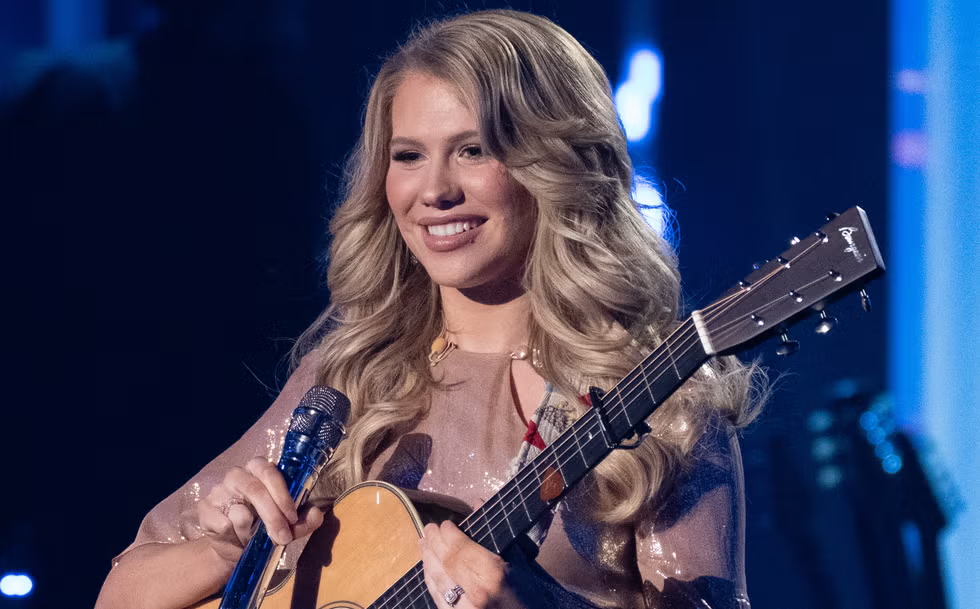
For years, country music has known exactly how to market its stars.
There were the fearless rebels, the heartbreak storytellers, the larger-than-life performers, and the polished radio favorites. The industry became remarkably good at placing artists into categories people could instantly understand.
Then Hannah Harper arrived.
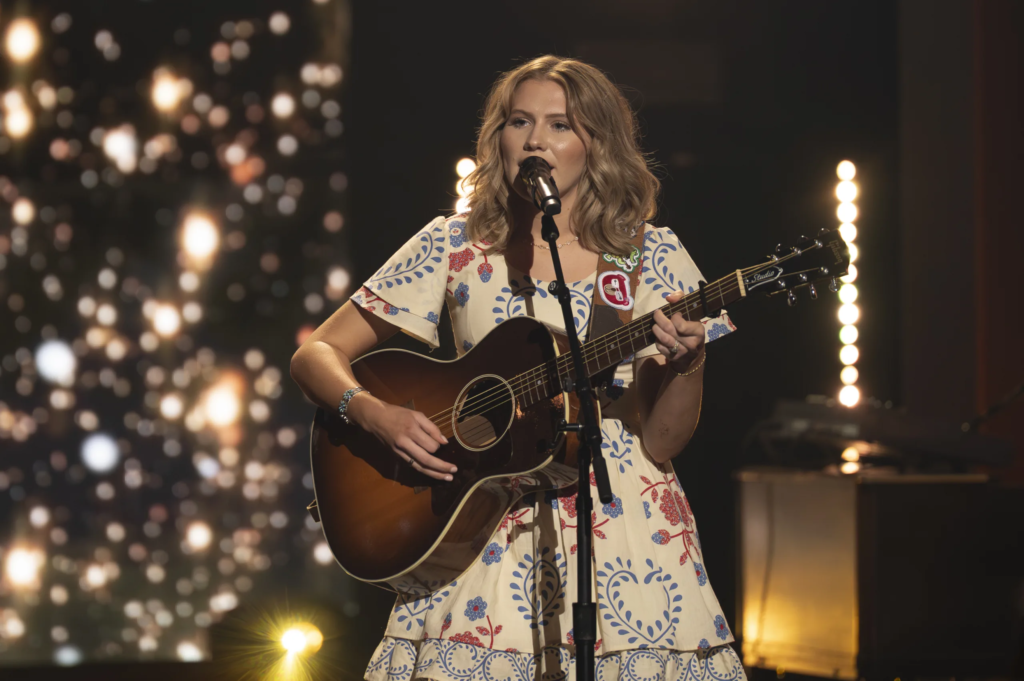
And suddenly, country music found itself facing a problem it never expected.
Not because Hannah Harper was controversial.
Not because she was loud.
Not because she was trying to reinvent the genre.
The problem was that she didn’t seem to fit any of the usual formulas—and audiences loved her for it.
Long before the American Idol confetti fell from the ceiling, Harper’s appeal was already becoming obvious. She wasn’t presenting herself as an untouchable celebrity-in-the-making. She wasn’t crafting a carefully manufactured image designed to dominate social media feeds. Instead, she showed up as a wife, a mother, a small-town woman, and someone who seemed genuinely surprised by the attention she was receiving.
In an era where entertainment often rewards constant self-promotion, that authenticity stood out.
Country music has always celebrated ordinary people in its lyrics. Songs are filled with farmers, waitresses, truck drivers, small-town dreamers, and hardworking families. Yet for years, many rising stars still felt larger than life the moment they entered the spotlight.
Harper created a different dynamic.
Fans didn’t just listen to her story.
They recognized themselves in it.
That distinction may seem small, but it changes everything.
When viewers watched Hannah Harper perform, many weren’t seeing an aspiring celebrity. They were seeing a parent trying to balance responsibilities. They were seeing someone who understood financial struggles, family obligations, and the emotional weight of chasing a dream later than expected.
That connection became one of the most powerful forces behind her rise.
The industry has spent decades searching for ways to create relatability. Marketing teams build campaigns around authenticity. Publicists work tirelessly to make stars appear accessible.
Harper accomplished something many professionals spend years trying to manufacture.
She simply lived her life.
Ironically, that may be the very challenge she presents to country music.
Because if audiences increasingly gravitate toward artists who feel genuine rather than carefully packaged, traditional industry playbooks become less effective. Fans begin looking for stories instead of strategies. They become more interested in truth than branding.
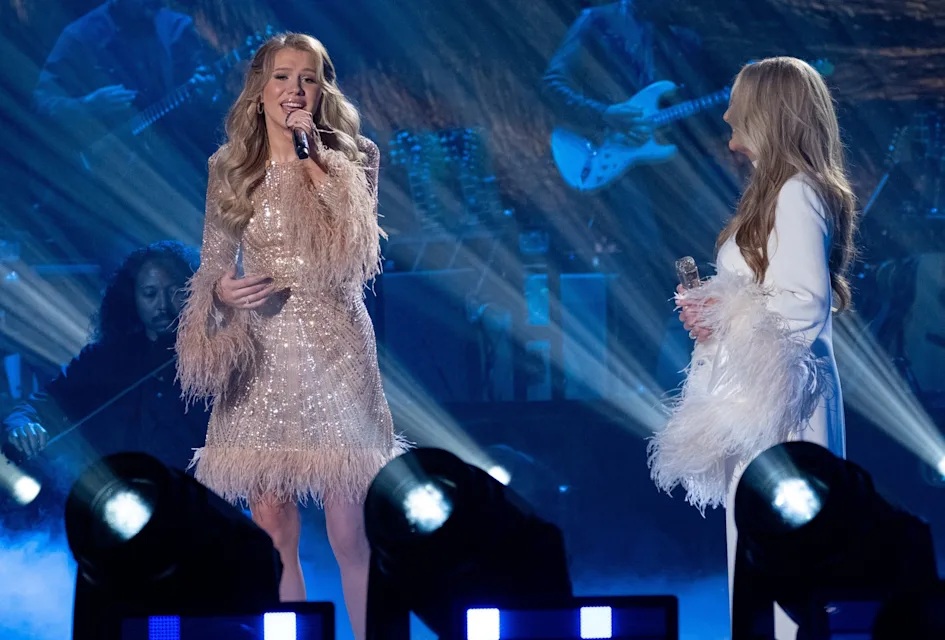
And once that shift begins, it’s difficult to reverse.
Another reason Harper’s success feels significant is because she represents a version of country music that many people feared was disappearing.
Her journey wasn’t built around controversy.
It wasn’t built around viral feuds.
It wasn’t built around shocking headlines.
Instead, it revolved around family, gratitude, perseverance, and community support.
Those themes sound simple on paper.
Yet in today’s entertainment environment, simplicity can feel surprisingly revolutionary.
Even her hometown celebrations became part of the conversation.
While much of modern celebrity culture focuses on global reach and digital influence, Harper’s story repeatedly returned to local roots. Small-town pride wasn’t treated as a marketing angle—it felt like the foundation of everything.
Fans noticed.
Perhaps that’s why discussions surrounding Harper often extend beyond music itself.
People aren’t only talking about her voice.
They’re talking about what she represents.
She has become part of a larger conversation about whether audiences are becoming tired of perfection and increasingly drawn toward sincerity. Whether the next generation of stars will need carefully polished images or simply believable stories.
In that sense, Hannah Harper may have revealed something country music wasn’t expecting.
The audience hasn’t necessarily changed what it wants to hear.
The audience may have changed who it wants to hear it from.
And that’s the real Hannah Harper problem.
She proved that a stay-at-home mom can compete with industry veterans. She showed that authenticity can outperform strategy. She reminded fans that extraordinary stories don’t always begin in major cities, expensive studios, or corporate boardrooms.
Sometimes they begin in ordinary places.
And once people witness that, they start searching for it everywhere.
That leaves country music with a fascinating challenge moving forward.
Can the industry replicate what Hannah Harper represents?
Or is the reason she connected so deeply the very fact that she can’t be replicated at all?
The answer may shape far more than one artist’s future.
It may reveal where country music itself is heading next.