Every holiday season has its soundtrack.
There are songs that arrive with the first snowfall, songs that echo through shopping centers, church halls, living rooms, and family gatherings. Some become traditions because they are familiar. Others become traditions because they make people feel something deeper.
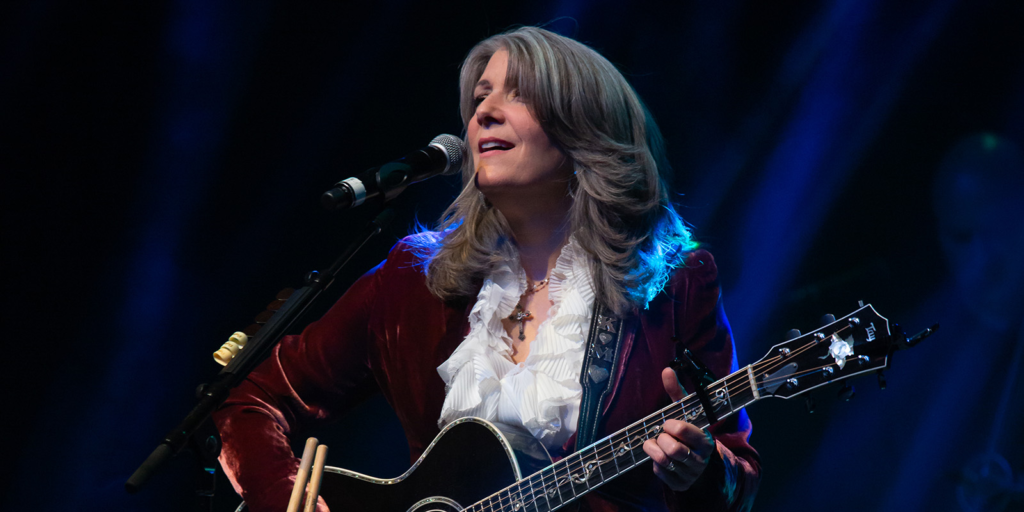
“Mary, Did You Know?” belongs to the second category.
Today, it is almost impossible to imagine Christmas without hearing the song at least once. Countless artists have recorded it. Choirs perform it. Television specials feature it. New generations continue discovering it every year. Yet long before it became a seasonal institution, the song was simply a powerful piece of music searching for a voice that could carry its message to the world.
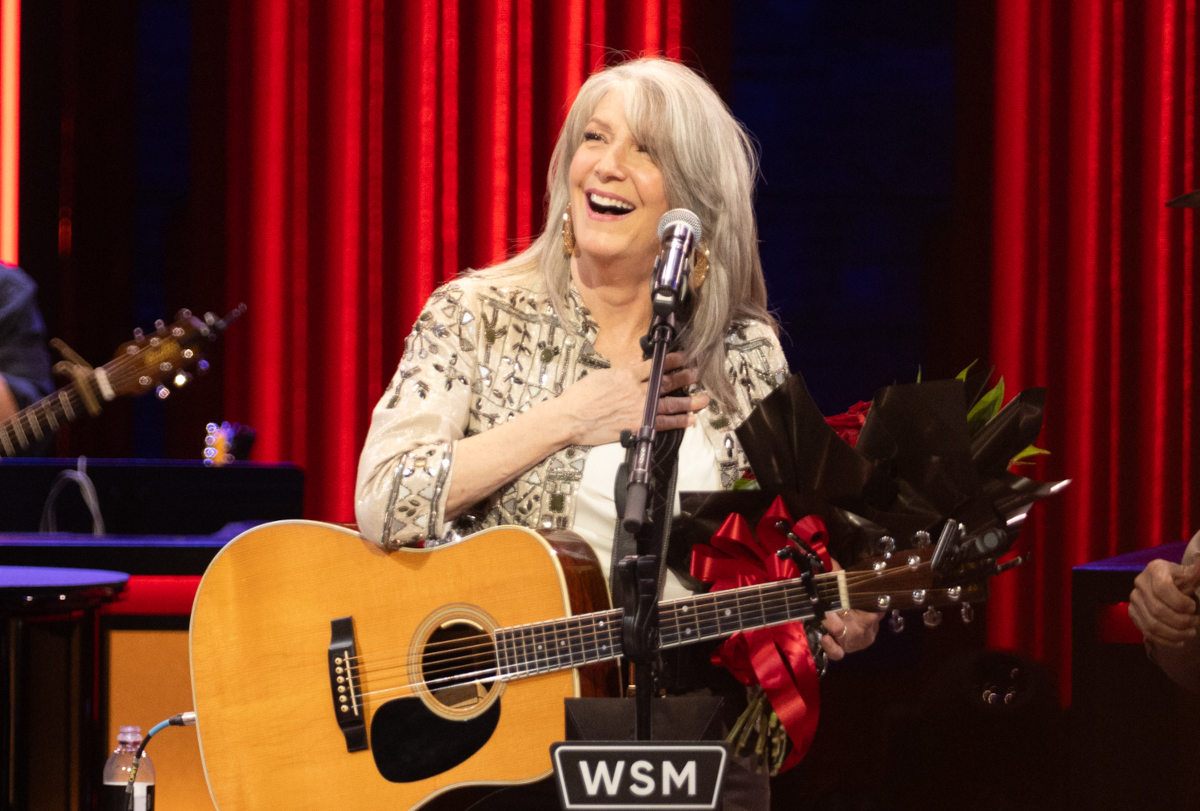
That voice arrived through Kathy Mattea.
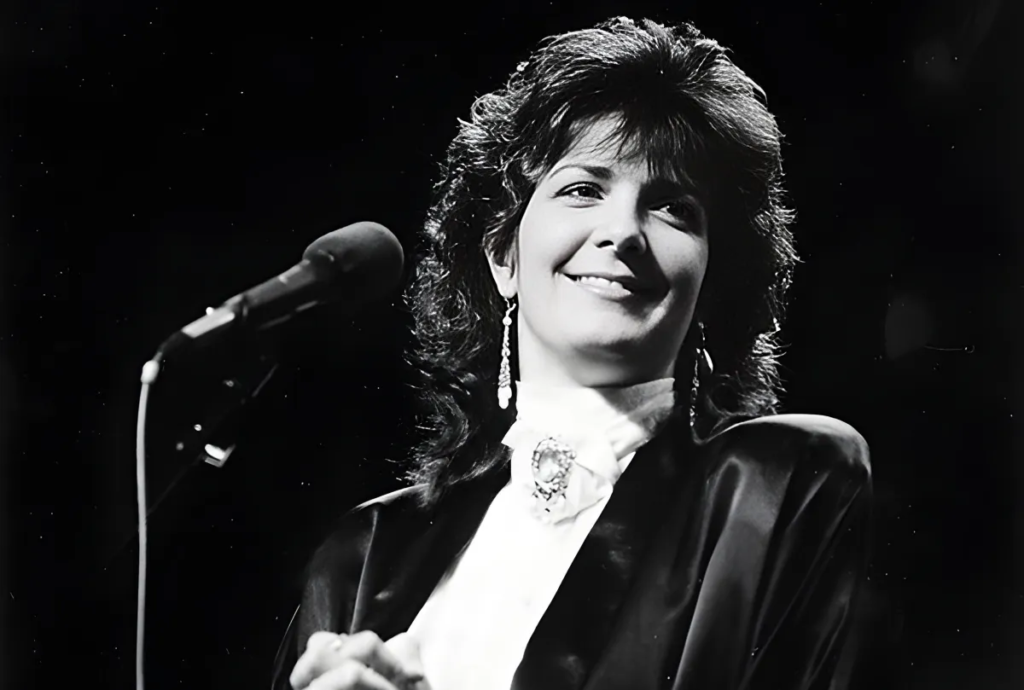
At the beginning of the 1990s, Mattea had already established herself as one of country music’s most respected artists. Her career was built on authenticity rather than spectacle. She possessed a rare ability to connect emotionally with listeners, choosing songs that felt meaningful instead of merely commercial.
While many artists were chasing chart success, Mattea was quietly building something far more lasting: trust.
Listeners believed her.
When Kathy Mattea sang a lyric, audiences never felt as though she was performing a role. She sounded like someone sharing a truth. That sincerity became one of the defining qualities of her career and one of the reasons her rendition of “Mary, Did You Know?” resonated so deeply.
The song itself asks a remarkable question.
It invites listeners to imagine the thoughts of Mary as she held the infant Jesus. Did she understand who he would become? Did she realize the magnitude of the future resting in her arms? Did she know that the child she rocked to sleep would one day change the course of history?
Rather than offering answers, the song creates wonder.
And wonder is difficult to capture.
Many performers can sing a song. Far fewer can communicate the emotion hiding between the lines. Mattea approached the composition with restraint and reverence. She did not overpower the lyrics. She allowed them to breathe.
That decision proved transformative.
Her early rendition introduced countless listeners to the song at a time when it was still finding its place in the musical landscape. The performance became a centerpiece of a project that would ultimately help earn her a Grammy Award for Best Southern, Country or Bluegrass Gospel Album in 1993.
Awards often recognize success.
Occasionally, they recognize significance.
This felt like the latter.
The Grammy acknowledged not only artistic excellence but also the emotional impact of a recording that connected deeply with audiences. It validated a project rooted in faith, storytelling, and musical craftsmanship at a moment when those qualities were becoming increasingly valuable.
What makes the story even more fascinating is how the song continued to grow after that recognition.
Many Grammy-winning performances enjoy a brief spotlight before gradually fading from public memory. “Mary, Did You Know?” followed the opposite path. Instead of peaking, it expanded.
Year after year, more artists embraced it.
Each new recording introduced the song to another audience. Different genres adopted it. Different generations interpreted it. Different cultures found meaning in its message.
Yet beneath every new version remained the same powerful foundation: a song built on curiosity, humility, and awe.
That is why it has endured.
The most lasting Christmas songs are not necessarily the loudest or most festive. They are the ones that remind people to pause. In a season often filled with noise and activity, “Mary, Did You Know?” encourages reflection.
It asks listeners to consider something larger than themselves.
That timeless quality explains why the song continues to feel fresh decades after its creation. While musical trends change and holiday playlists evolve, genuine emotion never goes out of style.
And Kathy Mattea’s contribution to that journey deserves greater recognition.
Her rendition arrived before the song became a phenomenon. She helped carry it during its formative years, introducing it to listeners who would later pass it on to others. In many ways, she became one of the song’s earliest and most important ambassadors.
Without performances like hers, the song’s path might have looked very different.
Today, when families gather around Christmas trees, when church choirs lift their voices, and when the familiar opening lines fill the air once again, few people stop to think about the artists who helped establish the song’s legacy.
But history remembers.
Long before “Mary, Did You Know?” became a holiday staple, Kathy Mattea recognized its power. She treated it with care, delivered it with grace, and helped transform it from a beautiful recording into a lasting tradition.
More than thirty years later, the song continues to inspire, comfort, and unite listeners around the world.
And perhaps that is the greatest legacy any artist can leave behind—not merely a hit song, not merely an award, but a performance that becomes part of people’s lives for generations to come.