The confetti had barely settled before the debate began.
As the winner of Britain’s Got Talent 2026 was announced, social media erupted with a speed that surprised even longtime followers of the show. Within seconds, viewers flooded platforms with reactions ranging from celebration to disbelief. But among the thousands of comments, one phrase quickly emerged as the unofficial headline of the night: “Matty was robbed.”
For many fans, the finale was supposed to be the triumphant conclusion to one of the most memorable seasons in recent years. Instead, it became the starting point for an argument that continues to grow long after the final curtain came down.
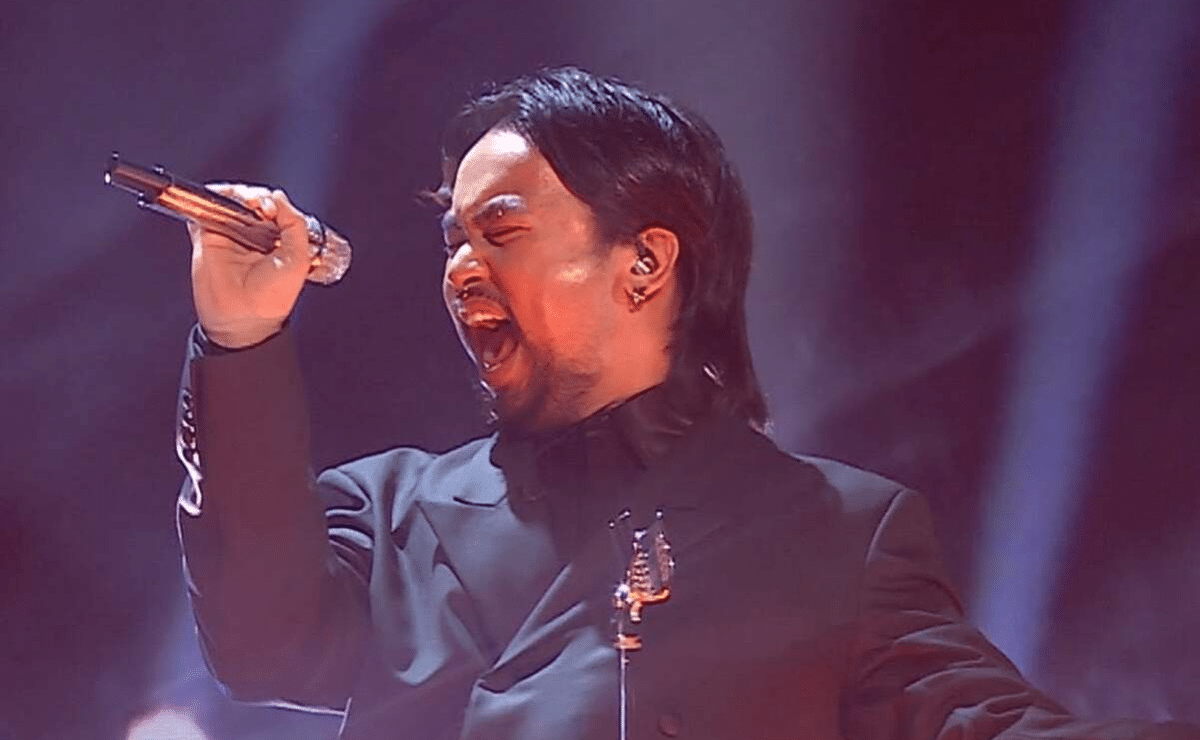
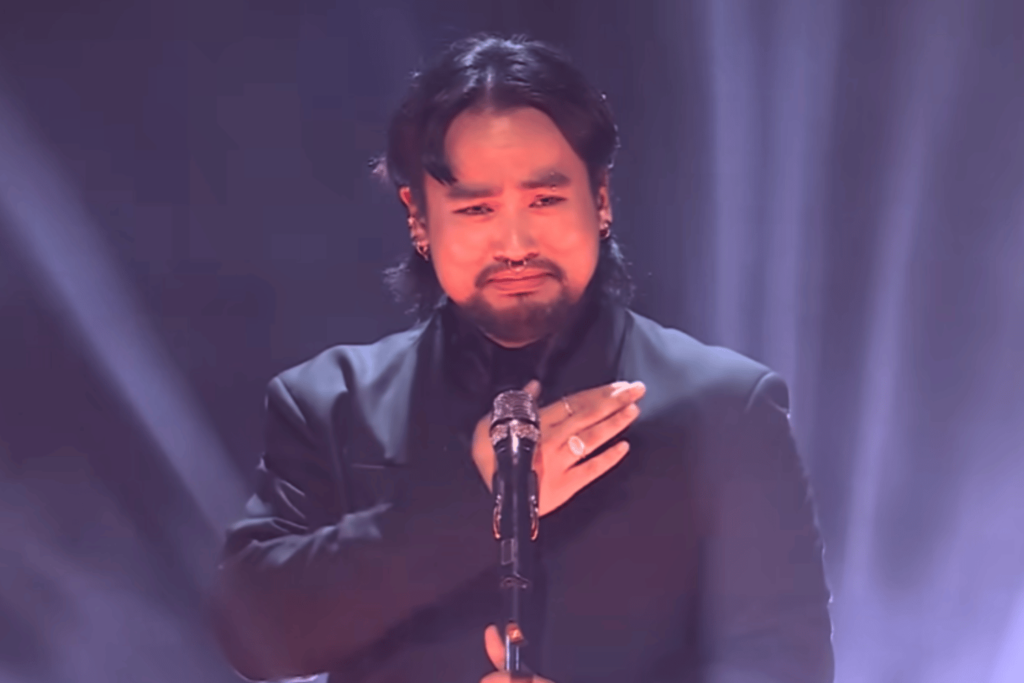
At the center of that conversation is Matty Juniosa.
Throughout the competition, Matty established himself as one of the most recognizable and emotionally resonant contestants in the entire lineup. Week after week, audiences watched him step onto the stage and deliver performances that felt deeply personal. He wasn’t simply singing songs; he was creating moments that viewers remembered long after the broadcast ended.
That ability to connect emotionally became one of his greatest strengths.
In an era where talent competitions often move at lightning speed, Matty consistently gave audiences something rare: performances that lingered. Fans weren’t just discussing his vocals. They were discussing how he made them feel. For many viewers, that emotional connection transformed him from a contestant into a genuine favorite.
As the final approached, momentum appeared to be building around him.
Social media engagement surrounding Matty continued to rise. Clips of his performances circulated widely online. Supporters shared videos, reactions, and messages explaining why they believed he deserved the crown. Across comment sections, fan groups, and discussion forums, his name repeatedly appeared among predictions for the winner.
That is precisely why the final result generated such a strong reaction.
When the voting outcome was revealed, many viewers found themselves experiencing a disconnect between what they expected and what actually happened. Suddenly, social media wasn’t celebrating a winner. It was trying to understand an outcome.
The discussion quickly expanded beyond Matty himself.
People began revisiting previous performances, comparing finalists, and analyzing the entire season. Some fans argued that consistency should have been rewarded. Others pointed to the emotional impact of Matty’s performances as evidence that he had left the biggest impression on audiences.
Yet another group took a different view.

They argued that public voting is exactly that—public voting. Regardless of predictions, online popularity, or fan enthusiasm, the winner is ultimately determined by the people who choose to cast votes. To them, the result wasn’t controversial. It was simply democracy in action.
That divide has become one of the most fascinating aspects of the conversation.
On one side are viewers who believe Matty delivered a season-defining journey that deserved a different ending. On the other are those who believe the public made its choice and that the result should be respected.
Neither side appears willing to move on anytime soon.
What makes this story particularly interesting is that it reflects a larger reality about modern entertainment. Today, audiences experience television in two separate worlds. There is the broadcast itself, and then there is the online conversation that follows.
Sometimes those worlds align perfectly.
Other times, they don’t.
A contestant may dominate social media discussions while another quietly earns support from audiences who never post online. Viral clips can create the impression of overwhelming popularity, but television voting often tells a different story. The loudest voices are not always the most numerous.
That possibility has become a major part of the debate surrounding Matty’s result.
Many viewers are now asking whether online enthusiasm accurately reflected the broader voting audience. Others insist that the sheer volume of support he received demonstrates just how strongly he connected with the public.
Regardless of where people stand, one thing is impossible to deny.
Matty has become one of the defining stories of the season.
In many ways, the discussion surrounding him has grown larger than the competition itself. Days after the finale, fans are still sharing his performances. New viewers are discovering clips they missed during the live broadcasts. Conversations continue appearing across platforms as people revisit his journey from start to finish.
Ironically, this may become the most meaningful outcome of all.
Winning a talent show brings a trophy, a title, and a moment in television history. But earning lasting public support creates something different. It creates longevity.
Long after viewers forget the exact voting percentages, many will remember how certain performances made them feel. They will remember the contestants who moved them, surprised them, and gave them moments worth revisiting.
For countless fans, Matty Juniosa belongs in that category.
Whether someone believes the result was fair or believes a different ending should have unfolded, the passion surrounding the discussion reveals something important. People only argue this intensely when they genuinely care.
And that may be the biggest reason emotions remain so high.
The finale may have crowned a winner, but it also created a conversation that refuses to fade away. Every new comment, every shared performance, and every renewed debate adds another chapter to a story that audiences clearly aren’t finished discussing.
Because sometimes the most memorable part of a competition isn’t who wins.
It’s the contestant who leaves people wondering what might have been.