When Morgan Wallen and Ella Langley took the stage in Denver for their performance of “I Can’t Love You Anymore,” the audience expected a powerful duet. What they did not expect was the level of emotional intensity that would unfold in real time, quickly turning the performance into one of the most talked-about moments in recent country music memory.
From the very first verse, there was an energy between the two performers that fans immediately noticed. It wasn’t just vocal harmony or stage coordination—it was the subtle, human details that often go unnoticed in live performances. Small glances, shared timing, and carefully held pauses began drawing attention even before the song reached its midpoint.
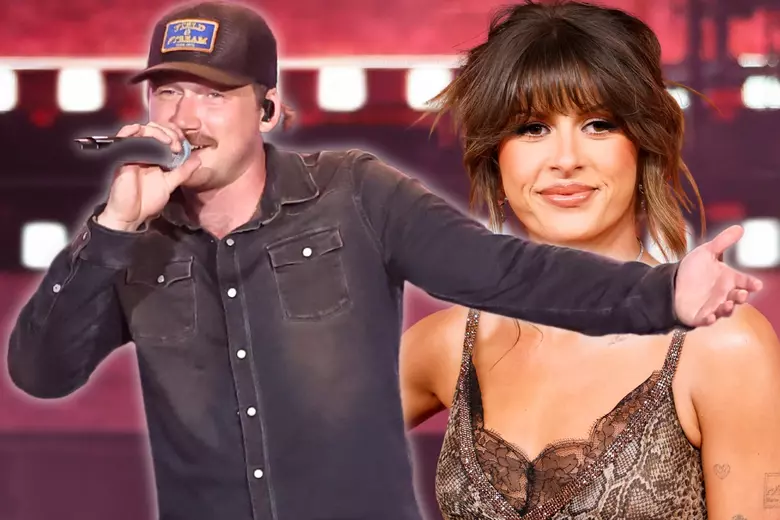
As the performance continued, that connection appeared to deepen. Fans in the crowd and viewers online alike began focusing less on the lyrics and more on the interaction between the two artists. The way they positioned themselves on stage, the intensity of their eye contact, and the ease with which they moved around each other became the center of discussion almost instantly.
By the time the final chorus arrived, the atmosphere had shifted. What began as a musical collaboration now felt, to many watching, like something more emotionally charged. The performance ended, but the conversation surrounding it had only just begun.
Clips from the Denver show spread rapidly across social media platforms within minutes. Short videos of key moments were replayed, slowed down, and analyzed frame by frame as viewers tried to make sense of what they had just seen. Every gesture became a talking point, every look a subject of interpretation.
The reaction was not limited to casual viewers. Country music fans, entertainment commentators, and online communities all joined in dissecting the performance. Some praised the natural chemistry as a testament to strong artistic collaboration, while others speculated about whether there might be something more personal behind the connection.
Part of what fueled the conversation was the emotional tone of the song itself. “I Can’t Love You Anymore” carries a weight that naturally invites vulnerability in performance. When two artists perform a song centered around emotional conflict or romantic tension, the delivery often blurs the line between storytelling and perceived reality.
In this case, that blur became the focal point.
Observers noted how both artists seemed fully immersed in the performance rather than simply delivering it. That level of engagement created an authenticity that audiences often find compelling, but it also opened the door to interpretation and speculation once the lights went down.
As the debate grew online, clips of the duet began circulating across multiple platforms, each one highlighting different moments. Some focused on brief glances between verses, others on synchronized movement during the chorus, and others on the final moments of the performance when the energy seemed to peak.
The speed at which the content spread reflected how quickly modern audiences engage with live performances. In today’s digital landscape, a single moment on stage can transform into a widespread conversation within minutes, amplified by repetition, commentary, and fan analysis.
What makes situations like this particularly interesting is how differently they are perceived depending on the viewer. To some, the performance was a strong example of artistic chemistry—two professionals delivering a compelling duet. To others, it felt more personal, suggesting a deeper connection beyond the song itself.
That dual interpretation is part of what keeps conversations alive long after the performance ends. The ambiguity allows audiences to project their own interpretations onto what they saw, turning a single performance into an ongoing narrative.
For both Morgan Wallen and Ella Langley, the attention adds another layer to their already visible presence in the country music scene. Wallen, known for his emotionally charged performances and strong fan engagement, has long been a central figure in modern country discussions. Langley, meanwhile, continues to rise as one of the genre’s most closely watched emerging voices.
When artists with such strong individual identities share the stage, the result is often amplified beyond the performance itself. Chemistry—whether perceived or intentional—becomes part of the story, shaping how audiences remember the moment.
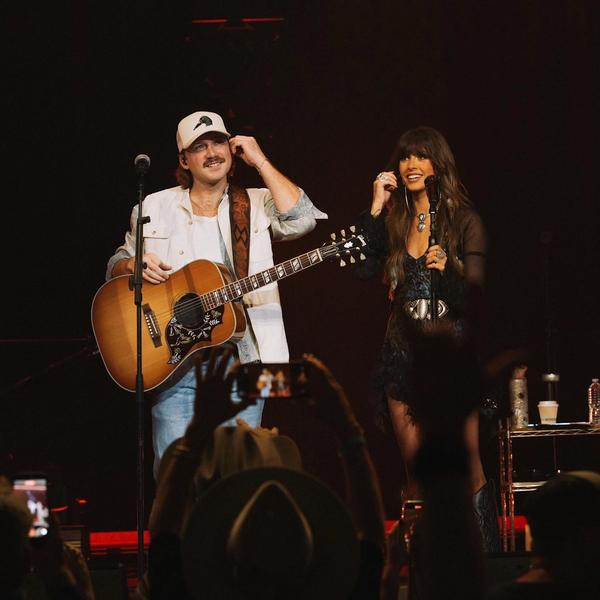
As the conversation continues to unfold online, one thing is clear: the Denver performance has left a lasting impression. Whether viewed as a powerful duet or something more speculative, it has succeeded in capturing attention far beyond the venue itself.
And as fans continue to replay, analyze, and debate every second, the question remains open-ended—was it simply a performance, or something that felt a little too real to ignore?