After the wave of online controversy sparked by the “My baby was robbed” comment, Keyla Richardson has chosen a noticeably different tone—one that feels quieter, steadier, and far removed from the noise surrounding her American Idol journey. In a recent video shared alongside Season 23 fan-favorite Breanna Nix, Keyla appeared grounded and composed, offering viewers a glimpse of calm that stood in contrast to the ongoing online debate still swirling around her name.
What made the moment especially striking was not what was said, but what wasn’t. There were no emotional statements addressing the controversy directly, no attempt to escalate or defend. Instead, Keyla leaned into gratitude, positivity, and a sense of forward motion. In an environment where reactions often become louder than the events themselves, her restraint immediately caught attention.
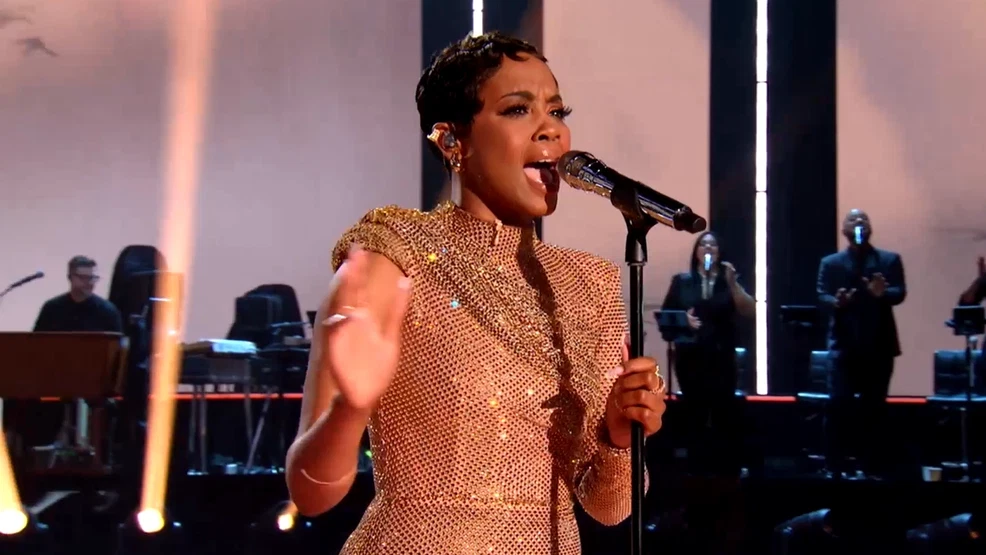
The backdrop to this shift, however, remains emotionally charged. Following the finale results, public reactions have been sharply divided, with supporters and critics voicing strong opinions across social platforms. Amid this, the earlier comment made by Keyla’s mother fueled further discussion, intensifying the conversation and drawing even more attention to the outcome of the season.
Yet Keyla’s response appears to move in an entirely different direction. Rather than engaging in the surrounding tension, she has presented herself with calmness and maturity, choosing to focus on appreciation instead of confrontation. That choice alone has become a talking point among viewers who have followed her journey from the beginning.
In the video with Breanna Nix, the atmosphere felt intentionally light. Breanna’s presence added familiarity and warmth, creating a space where the focus naturally shifted away from controversy and back toward connection. Fans who watched the interaction noted how effortless Keyla seemed in that moment, as if she had decided to step away from the storm entirely.
As clips of the video spread online, reactions began to change shape. While the initial wave of discussion centered around disappointment and debate, a second wave emerged focusing on Keyla’s composure. Many viewers began highlighting her emotional control, describing her approach as unexpectedly mature for someone navigating such public scrutiny at a young stage in her career.
Some fans even went further, suggesting that her silence on the controversy was more powerful than any formal statement could have been. In a culture where responses are often expected immediately and loudly, Keyla’s decision to remain calm stood out. It created space for interpretation, reflection, and, for many, admiration.
At the same time, the contrast between external noise and internal composure became increasingly clear. While conversations online continued to escalate around the finale outcome, Keyla’s own messaging seemed focused elsewhere—on gratitude for the experience, appreciation for the platform, and acknowledgment of the journey rather than the outcome.
This shift in tone has led some observers to reframe the narrative entirely. Instead of focusing on controversy, attention is gradually moving toward how contestants handle life after the show. In that context, Keyla’s approach is being viewed as a form of emotional discipline, one that prioritizes long-term perspective over immediate reaction.
Breanna Nix’s presence in the video also added another layer of meaning. As a fellow artist who understands the pressures of televised competition, her collaboration with Keyla felt like a moment of mutual understanding rather than performance. It subtly reinforced the idea that these experiences extend beyond rankings and results, shaping relationships and personal growth along the way.
Still, the conversation surrounding the finale results has not completely faded. Online spaces continue to reflect differing opinions, and discussions around fairness and outcome remain active. However, what is changing is the focal point of those discussions. Increasingly, attention is shifting from the controversy itself to how individuals involved choose to respond to it.
In that shift, Keyla’s quiet presence is becoming its own form of statement. Without directly addressing the criticism, she has managed to redirect attention toward composure, gratitude, and forward movement. For many viewers, that subtle redirection has left a stronger impression than any direct defense could have achieved.
It also raises a broader reflection on how public figures navigate moments of disappointment under intense visibility. In environments like American Idol, where every reaction is magnified, the way contestants respond after the spotlight moves can define their public perception just as much as their performances on stage.
Keyla’s decision to lean into positivity rather than confrontation appears to be shaping her narrative in real time. Instead of being defined by external controversy, she is gradually being associated with restraint and emotional maturity—qualities that often resonate deeply with audiences long after a season ends.
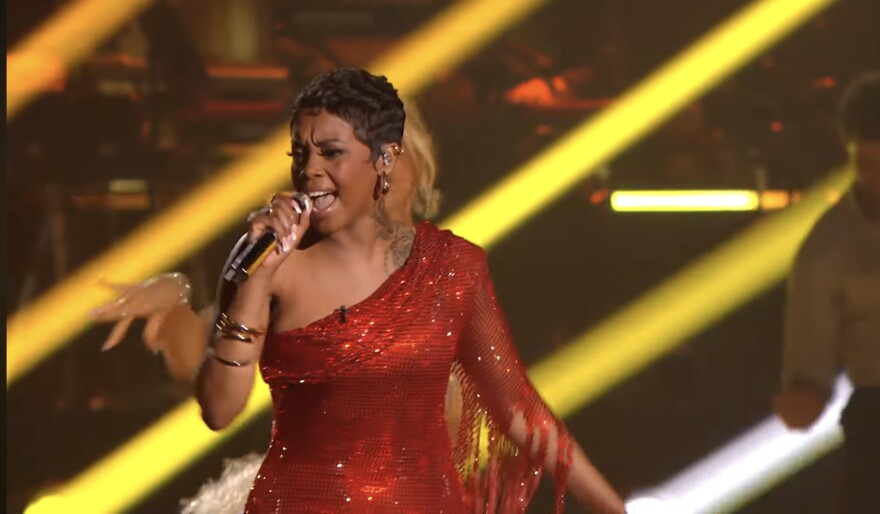
As the conversation continues to evolve, one thing remains clear: the story is no longer only about a finale result or a viral comment. It is also about how an artist chooses to carry herself when the noise is at its loudest. And in Keyla Richardson’s case, that choice is becoming increasingly difficult to ignore.
In the end, what some once saw as a moment of controversy is now being reinterpreted by many as a quiet example of growth. And as fans continue to revisit her journey, one question lingers in the background—was the most important message not spoken in the heat of the moment, but revealed afterward in silence?