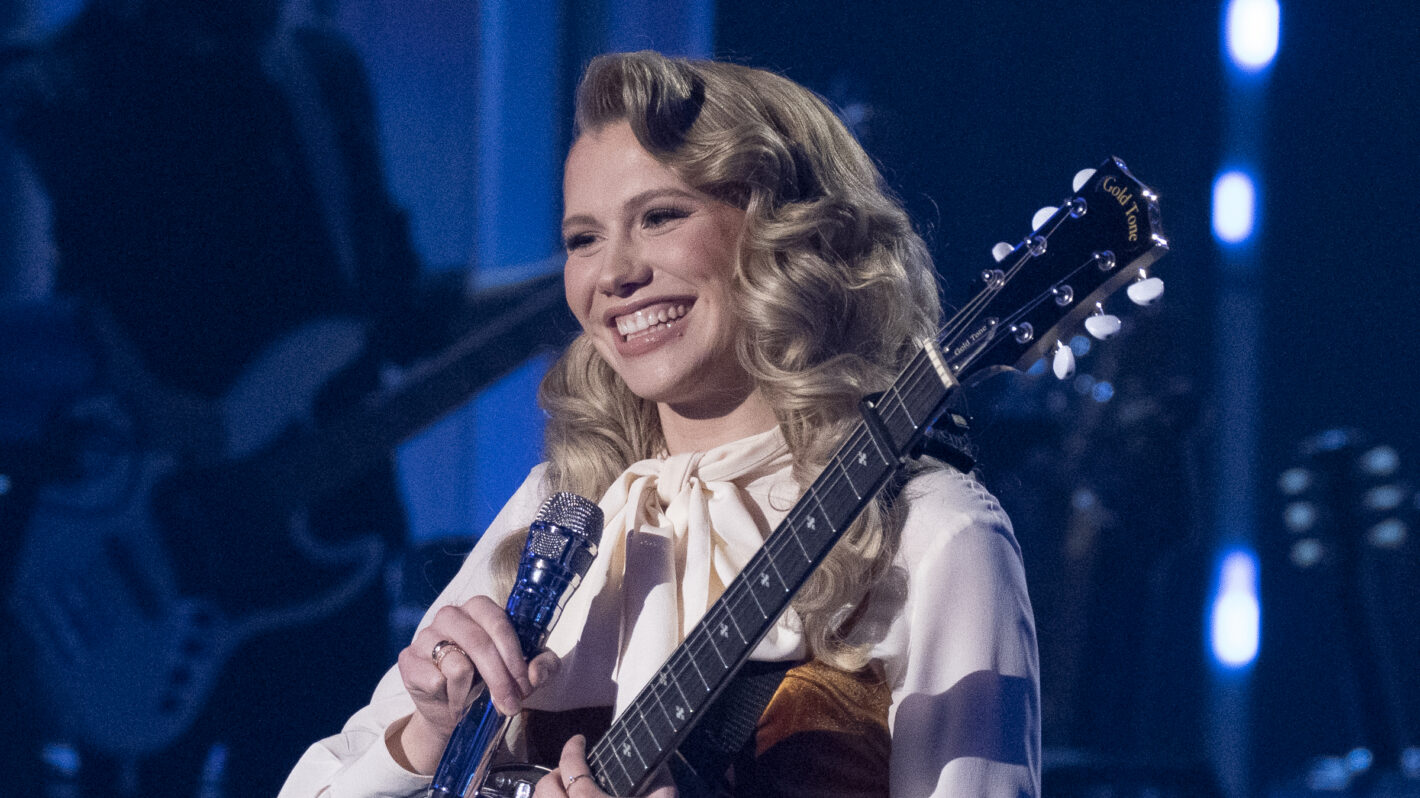
In an entertainment landscape where fame is often treated as the ultimate destination, Hannah Harper continues to offer a different perspective. While many aspiring artists dream of bigger stages, larger audiences, and greater recognition, Harper repeatedly returns to a simpler idea: purpose matters more than popularity. It is a message that has become central to her journey, and it may ultimately define the legacy she builds.
Her rise has introduced her to opportunities many artists spend years pursuing. Exposure from American Idol helped place her in front of a national audience, opening doors that might otherwise have remained closed. For countless performers, that kind of breakthrough becomes the beginning of a relentless pursuit of visibility. Harper, however, appears to be approaching the moment from a different angle.
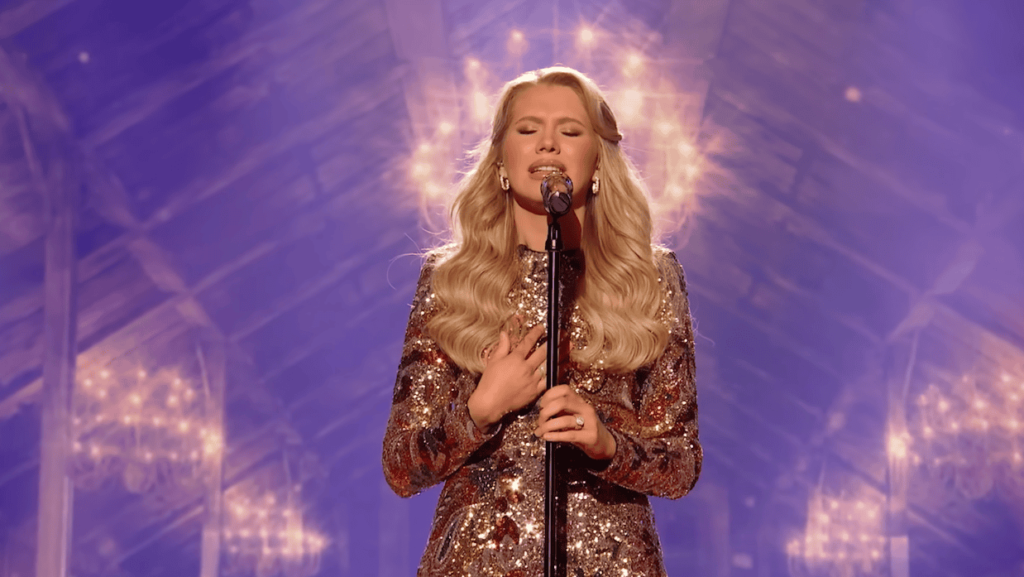
Rather than focusing solely on where success can take her, she often emphasizes what she hopes her music can give others. Whether through personal storytelling, faith-driven values, or meaningful connection, her goals seem rooted in impact rather than attention. That distinction may sound subtle, but in today’s entertainment industry, it can make all the difference.
The modern music world moves quickly. Trends emerge overnight and disappear just as fast. Artists are constantly encouraged to remain relevant, stay visible, and adapt to shifting audience demands. The pressure to chase momentum can be overwhelming. Yet Harper appears committed to preserving something that cannot be measured through streaming numbers or social media statistics: authenticity.
Authenticity has become one of the most sought-after qualities in entertainment. Audiences have grown increasingly skilled at recognizing the difference between genuine expression and carefully manufactured branding. Fans no longer simply consume music; they invest in the people behind it. They want stories, values, and experiences that feel real. Harper’s growing audience suggests that many people see those qualities in her.
That connection is helping her stand apart in a crowded space. While countless artists compete for attention, Harper is quietly cultivating trust. Her supporters are not only interested in her next song or performance. They are drawn to the perspective she brings and the consistency she demonstrates. In a culture where public identities often shift with trends, consistency carries tremendous value.
Of course, remaining grounded becomes more difficult as opportunities expand. Increased visibility brings increased expectations. New audiences arrive with opinions, demands, and assumptions about what an artist should become. Success often introduces pressures that are invisible from the outside. The challenge is no longer getting noticed; it is staying true to yourself once everyone is watching.
That challenge may soon become one of the defining themes of Harper’s career. Every artist eventually encounters moments that test their priorities. Bigger platforms can offer incredible opportunities, but they can also create temptation. The desire to satisfy broader audiences, maximize commercial appeal, or maintain constant relevance can slowly pull artists away from the values that first inspired them.
What makes Harper’s story compelling is the sense that she understands this reality. Her repeated emphasis on purpose suggests she views success as a responsibility rather than a reward. Instead of treating recognition as an end goal, she appears to see it as a tool—something that can be used to encourage, inspire, and connect with others. That perspective gives her career a deeper dimension.
Faith also seems to play a significant role in shaping that outlook. While public figures often avoid discussing personal beliefs in depth, Harper has shown a willingness to acknowledge the influence faith has on her journey. For many supporters, that openness adds another layer of relatability and sincerity. It reinforces the idea that her decisions are guided by convictions rather than convenience.
Perhaps the most remarkable aspect of her rise is that it feels sustainable. Trends may generate temporary excitement, but purpose tends to create longevity. Artists who build careers around meaningful values often develop stronger relationships with their audiences because those relationships are based on trust rather than novelty. Harper appears to be laying that kind of foundation.
There is also a growing sense that her story is still in its earliest chapters. While public attention continues to increase, the most important developments may be happening beneath the surface. Character, perspective, and purpose are being shaped in real time. Those qualities often determine how a person responds when even greater opportunities arrive.
As her audience grows, so does curiosity about what comes next. Will larger platforms strengthen her commitment to authenticity? Will new opportunities expand her ability to make an impact? Or will the pressures that accompany success create challenges unlike any she has faced before? These questions add intrigue to an already compelling journey.
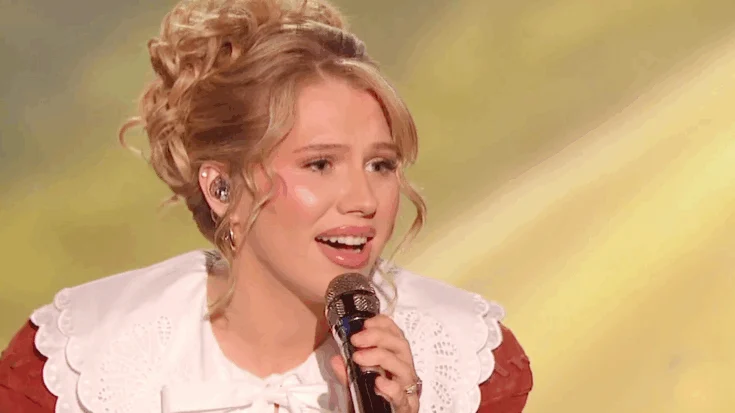
For now, Hannah Harper continues moving forward with a clear sense of direction. While others may be chasing fame, she appears focused on something more enduring. She is building a career rooted in gratitude, meaningful storytelling, faith, and genuine connection. In an industry where popularity often receives all the attention, that choice makes her stand out.
And if she continues choosing purpose over recognition, the chapter that audiences are celebrating today may ultimately be remembered as the beginning of something far greater.