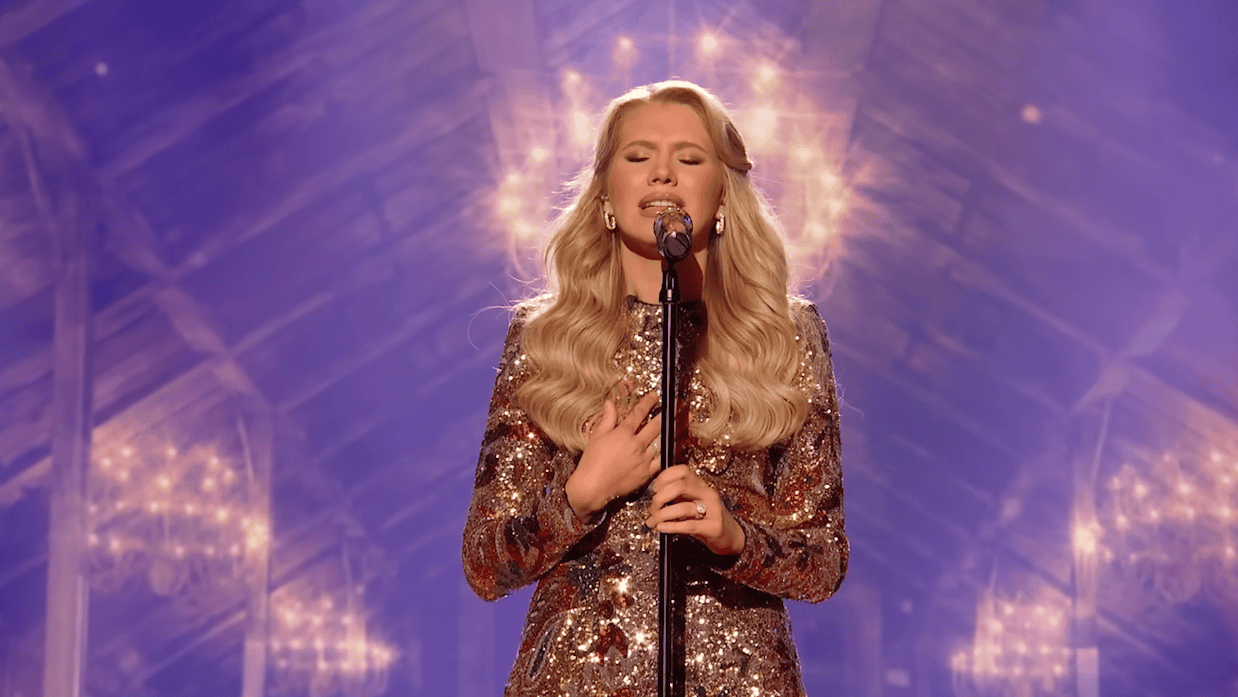
When Hannah Harper stood beneath the bright lights of the American Idol finale, the challenge seemed obvious. She had to sing. She had to perform. She had to compete against some of the most talented voices in the country.
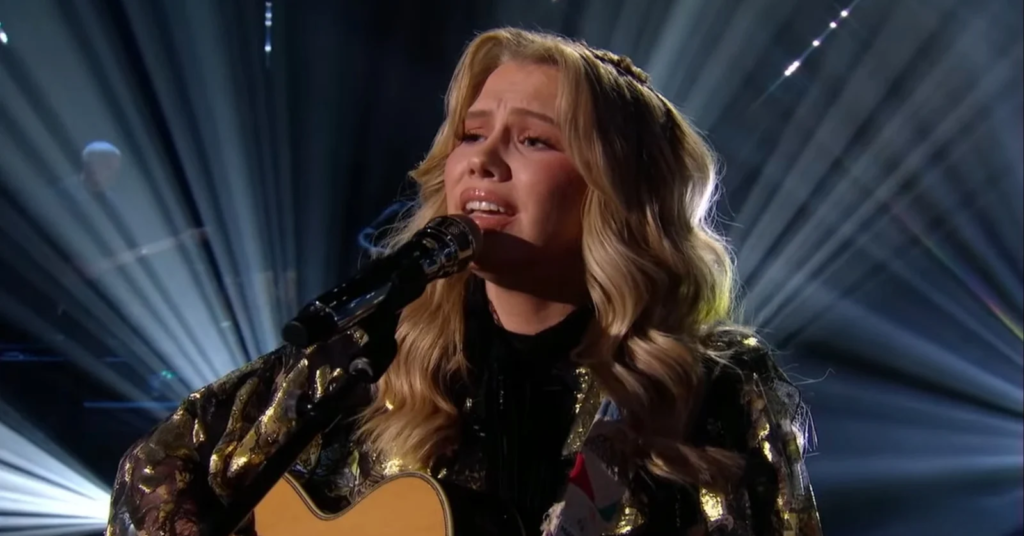
But now that the competition is over, a much bigger challenge has quietly arrived.
And surprisingly, it has very little to do with music.
Winning a show like American Idol changes everything overnight. One day you’re living a relatively normal life. The next, thousands of people want your attention. Every interview matters. Every social media post gets analyzed. Every career decision becomes a headline.
For Hannah Harper, the transition has been especially dramatic.
Part of what made audiences fall in love with her was how relatable she felt. She wasn’t presented as an untouchable celebrity. She was a wife, a mother, and someone who seemed grounded in everyday life. Fans didn’t just vote for her voice—they connected with her story.
That connection is both a gift and a responsibility.
The biggest challenge Hannah faces now isn’t proving she can sing. Millions already know she can. The challenge is figuring out how to remain the same person people fell in love with while stepping into a life that is rapidly becoming anything but ordinary.
History shows that this balancing act isn’t easy.
Many reality-show winners spend years trying to discover who they are after the cameras stop rolling. During a competition, every week has a clear goal. Learn the song. Deliver the performance. Survive elimination. But once the confetti falls, the roadmap disappears.
Suddenly, the questions become much more complicated.
What kind of artist do you want to be?
How much of your personal life do you share?
How do you stay present with your family while building a career that may require constant travel?
How do you protect your peace when thousands of strangers feel connected to your journey?
These are the kinds of decisions that quietly shape careers long before hit songs ever do.
For Hannah, there is another layer to this story that makes her situation unique.

Many fans see her as a symbol of authenticity. In a music industry often driven by trends, polished branding, and carefully calculated images, Hannah’s appeal comes from feeling real. Whether she was singing country classics, sharing stories about her family, or performing original music, audiences sensed honesty.
The challenge now is preserving that authenticity while entering an environment that constantly encourages reinvention.
Every successful artist evolves. That’s part of growth.
But fans can tell the difference between evolution and transformation.
The artists who last the longest are usually the ones who find a way to grow without losing the qualities that made people care in the first place. They expand their reach without abandoning their roots. They embrace opportunity without forgetting their identity.
That may ultimately become Hannah Harper’s defining test.
Not whether she can record songs.
Not whether she can perform on bigger stages.
Not whether she can attract attention.
The real question is whether she can navigate fame without allowing fame to redefine her.
The good news is that Hannah has already shown signs of understanding what matters most. Throughout her journey, she consistently returned to the people and values that shaped her. Her story was never built around celebrity. It was built around family, perseverance, and gratitude.
Those foundations often become an artist’s greatest advantage when the spotlight grows brighter.
Because careers can change.
Trends can change.
The music industry can change.
But authenticity is one of the few things audiences never stop searching for.
As Hannah Harper enters the next chapter of her life, her greatest challenge may not be hitting the right note on stage. It may be protecting the person behind the microphone. And if she succeeds at that, the story people remember years from now might be far bigger than an American Idol victory.
It might be the story of someone who became famous without ever losing herself.