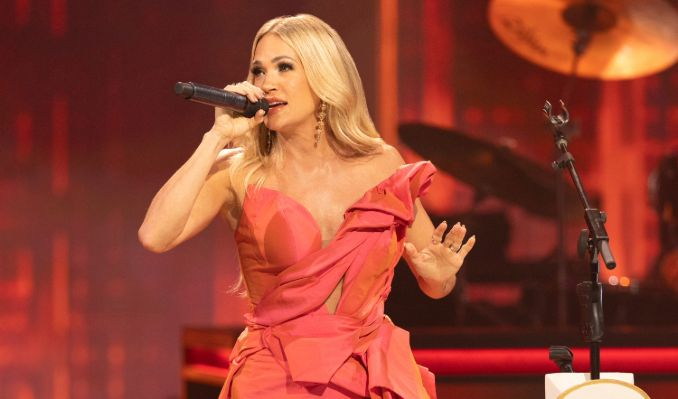
When Carrie Underwood stepped back onto the stage of the Grand Ole Opry, it wasn’t just another appearance by a country music superstar. It was a reminder of how deeply her voice and presence are tied to the evolution of modern country music itself. The night opened with a sense of anticipation that felt almost electric, as fans settled in for what they believed would already be a special celebration.
Dressed in a flowing pastel ruffle gown, Carrie carried the stage with a calm confidence that only comes from years of commanding some of the world’s biggest arenas. Every movement, every note, and every glance toward the audience reinforced her status as one of country music’s defining voices. Yet beneath the polished performance was a deeper narrative unfolding—one that would soon shift the focus from legend to legacy-building moment.
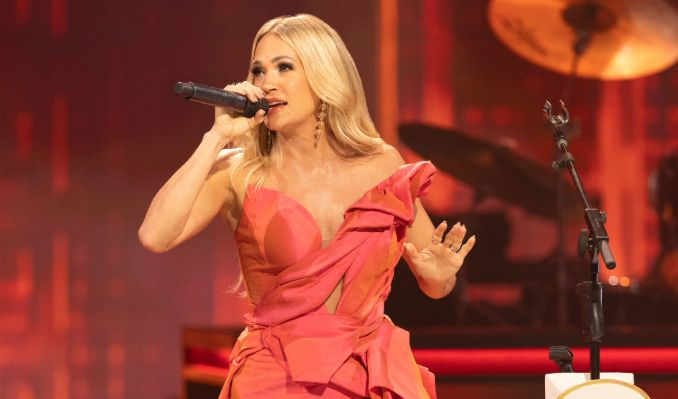
The event, titled the Summer of the Century celebration, was designed to honor country music’s evolving story. It was a night where past, present, and future were meant to intersect. Carrie’s opening set already fulfilled that mission, but no one in the audience could have anticipated how personal and emotional the night would become once the next performer stepped into the spotlight.
That performer was Hannah Harper, the rising artist whose journey from American Idol winner to touring sensation has captured growing attention. As she stepped onto the Opry stage, there was an immediate sense that something meaningful was about to unfold. Her presence carried both nerves and excitement—the kind of energy that only comes when an artist is standing at the threshold of a defining career moment.
What made the night extraordinary was not just Hannah’s performance, but who joined her.
Carrie returned to the stage beside her, transforming what could have been a standard performance into something far more significant. Together, they performed “String Cheese,” a song that began its life as part of Hannah’s American Idol journey but was now reborn within the sacred walls of the Opry. The transformation of that song symbolized something larger than music—it represented growth, belief, and continuity.
As their voices blended, the audience witnessed a rare kind of harmony—one that was not only musical but emotional. Carrie’s seasoned vocal strength paired with Hannah’s rising artistry created a contrast that felt intentional, almost symbolic. It was as if the past and future of country music were speaking directly to each other in real time.
Moments like these are rare in any genre, but especially in country music, where storytelling and authenticity hold such weight. The performance did not rely on spectacle or elaborate staging. Instead, it leaned into sincerity. That simplicity is what made it powerful.
Throughout the duet, Carrie’s presence felt less like that of a headlining star and more like a guiding force. Her connection with Hannah reflected something deeper than a single performance—it suggested mentorship, encouragement, and a quiet passing of confidence from one generation to the next.
Hannah, meanwhile, stood in the center of a moment that will likely define this stage of her career. Singing alongside one of country music’s most accomplished modern icons, she delivered a performance that balanced vulnerability with growing assurance. For an emerging artist, there are moments that shape identity, and this was clearly one of them.
The audience responded not just with applause, but with a sense of shared experience. There was an awareness in the room that what they were witnessing was not routine entertainment. It was the unfolding of a story that would be remembered long after the final note faded.
The Grand Ole Opry has always been a place where history is made in real time. Artists step into its circle not only to perform but to become part of a continuing tradition. On this night, that tradition expanded to include a narrative of mentorship and artistic inheritance.
Carrie’s role in that moment cannot be overlooked. While she remains one of country music’s most recognizable figures, her willingness to share the stage in such a meaningful way highlighted another dimension of her legacy. It was not about dominance or spotlight control. It was about contribution.
For Hannah, the experience represented validation. To stand beside a figure like Carrie Underwood in such a historic venue is to be acknowledged not only as a performer, but as an artist with a future worth investing in. That kind of moment can reshape confidence in ways no award or chart position ever could.
As the final notes of “String Cheese” echoed through the Opry, the atmosphere shifted from performance to reflection. The applause that followed felt extended, almost reluctant to let the moment end. It was the sound of an audience recognizing that they had witnessed something meaningful rather than merely entertaining.
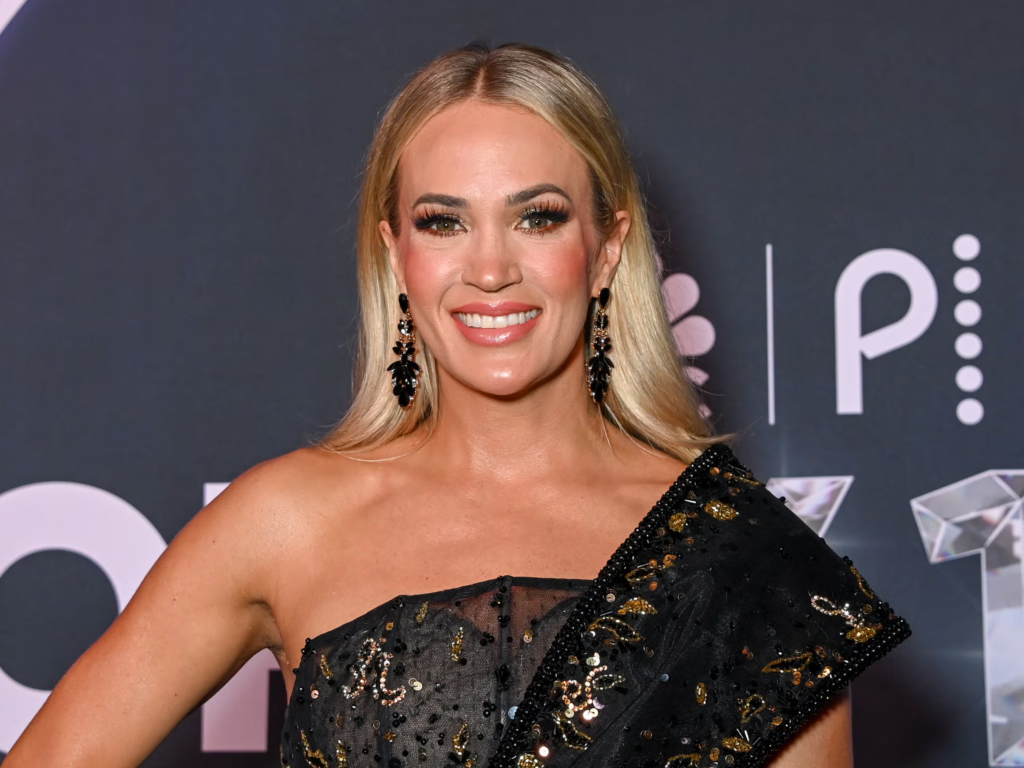
In the days ahead, fans will continue to revisit the performance, analyzing not just the music but the symbolism embedded within it. A celebrated icon. A rising star. A shared stage that bridged experience and ambition.
But perhaps the most lasting impact of the night is not what was sung, but what was understood.
Country music thrives on connection—between stories, between voices, and between generations. On this night at the Grand Ole Opry, that connection was not just present. It was undeniable.
And as the lights dimmed and the stage emptied, one question lingered quietly in the air: what future moments might grow from the bond formed in that single, unforgettable performance?