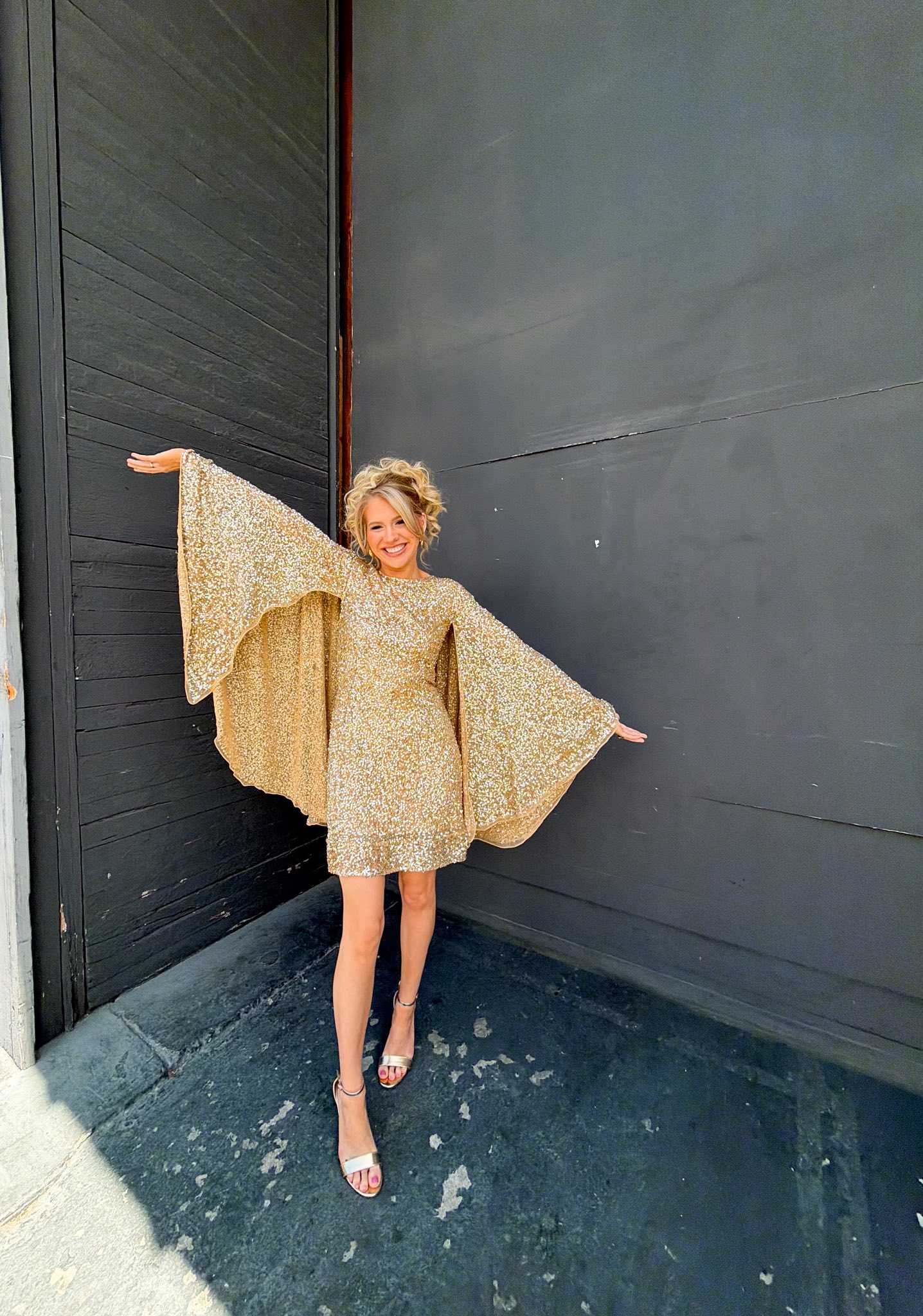
The room changed the second Hannah Harper stepped onto the stage.
Before she even sang a single word, there was already something different in the air. The lights dimmed, the audience leaned forward, and suddenly it felt less like another episode of American Idol and more like the beginning of a moment people would remember long after the season ends. Millions of viewers were watching, but for a few quiet seconds, everything seemed to stand still around Hannah Harper.

And then she started singing.
What followed was not just another performance. It was the continuation of one of the most emotional journeys American Idol has seen in years — a journey built not on flashy headlines or manufactured drama, but on honesty, vulnerability, and the kind of storytelling that reaches people where they actually live.
Long before the standing ovations and national attention, Hannah Harper was simply a Missouri mom writing songs at her kitchen table. There were no giant stages back then. No screaming crowds. No television cameras waiting to capture emotional reactions. Just real life, real struggles, and music becoming a quiet escape during difficult moments.
That authenticity became impossible to ignore the moment she introduced “String Cheese” to America.
The original song immediately separated Hannah from everyone else in the competition. While many contestants arrived with polished covers and powerhouse vocals, Hannah arrived with something far riskier: truth. Inspired by motherhood and postpartum struggles, “String Cheese” carried an emotional weight that viewers instantly recognized as genuine. It did not feel rehearsed for television. It felt lived in.
And people connected to it immediately.
Social media flooded with reactions from mothers, families, and viewers who saw pieces of themselves inside Hannah’s lyrics. Some fans admitted they cried hearing her sing about emotions they had never heard discussed so openly on a mainstream stage. Others praised her courage for bringing something deeply personal into a competition usually dominated by vocal gymnastics and crowd-pleasing moments.
That performance changed everything.
From that point forward, Hannah Harper was no longer just another contestant trying to survive each round. She became a storyteller audiences emotionally invested in. Every week after that, viewers tuned in not only to hear how she would sing, but to feel what she would make them feel next.
And somehow, she kept delivering.
Week after week, Hannah proved she belonged under those bright lights. Whether leaning into her bluegrass roots or stepping into emotionally charged ballads, she consistently found a way to make huge television moments feel intimate. Even in front of massive crowds, there was always something personal in the way she performed — a small glance, a trembling lyric, a quiet restraint that made people stop scrolling and actually pay attention.
That rare connection is what has slowly transformed her into one of the season’s biggest breakout stars.

What makes Hannah’s rise especially remarkable is that it never felt calculated. In an era where many performances go viral because of shock value, Hannah’s momentum grew because people believed her. Fans saw a woman balancing motherhood, vulnerability, and ambition while somehow staying grounded through the chaos of national attention.
That relatability became her superpower.
As the competition intensified, the pressure around Hannah only grew stronger. Critics questioned whether her softer style could compete against louder performers. Some wondered if emotional storytelling alone could carry someone deep into the competition. But each time doubts surfaced, Hannah answered them the same way she always had — by stepping onto the stage and turning emotion into something unforgettable.
And slowly, the audience started realizing something important.
Hannah Harper was not trying to imitate anyone else.
She was building her own lane.
That individuality became especially clear during some of the live-show performances that pushed her far beyond her comfort zone. Fans watched her evolve from a nervous songwriter into a confident performer capable of commanding a massive stage without losing the emotional sincerity that made people fall in love with her in the first place.
Few contestants manage to grow without losing themselves. Hannah somehow did both at the same time.
Now, as the finale approaches, the atmosphere surrounding her feels different than it did earlier in the season. There is no longer surprise when she delivers a standout performance. Instead, there is anticipation. Fans expect moments from her now. They wait for them.
And perhaps that is the clearest sign of how far she has come.
Because early on, Hannah Harper felt like an underdog story. Today, she feels like a genuine artist whose career may continue long after the Idol cameras stop rolling.
What has made her journey resonate so deeply is not perfection. It is humanity. Hannah never presented herself as flawless. She presented herself as real. Through every emotional lyric, every vulnerable performance, and every quiet interaction with fans, she reminded viewers that music does not always need to be loud to leave a lasting impact.
Sometimes the softest voices carry the deepest truths.
Now, millions are preparing to watch what could become the defining performance of her entire journey. Fans across the country are already calling her one of the most inspiring contestants of the year, and many believe her biggest moment has not happened yet.
That belief says everything.
Because regardless of where the final votes land, Hannah Harper has already accomplished something many contestants never do: she made people care. Truly care. Not just about winning a show, but about the person standing behind the microphone.
And when all eyes turned toward Hannah Harper that night, the audience may have thought they were about to watch another performance.
Instead, they witnessed the rise of an artist finding her voice in front of the entire country.