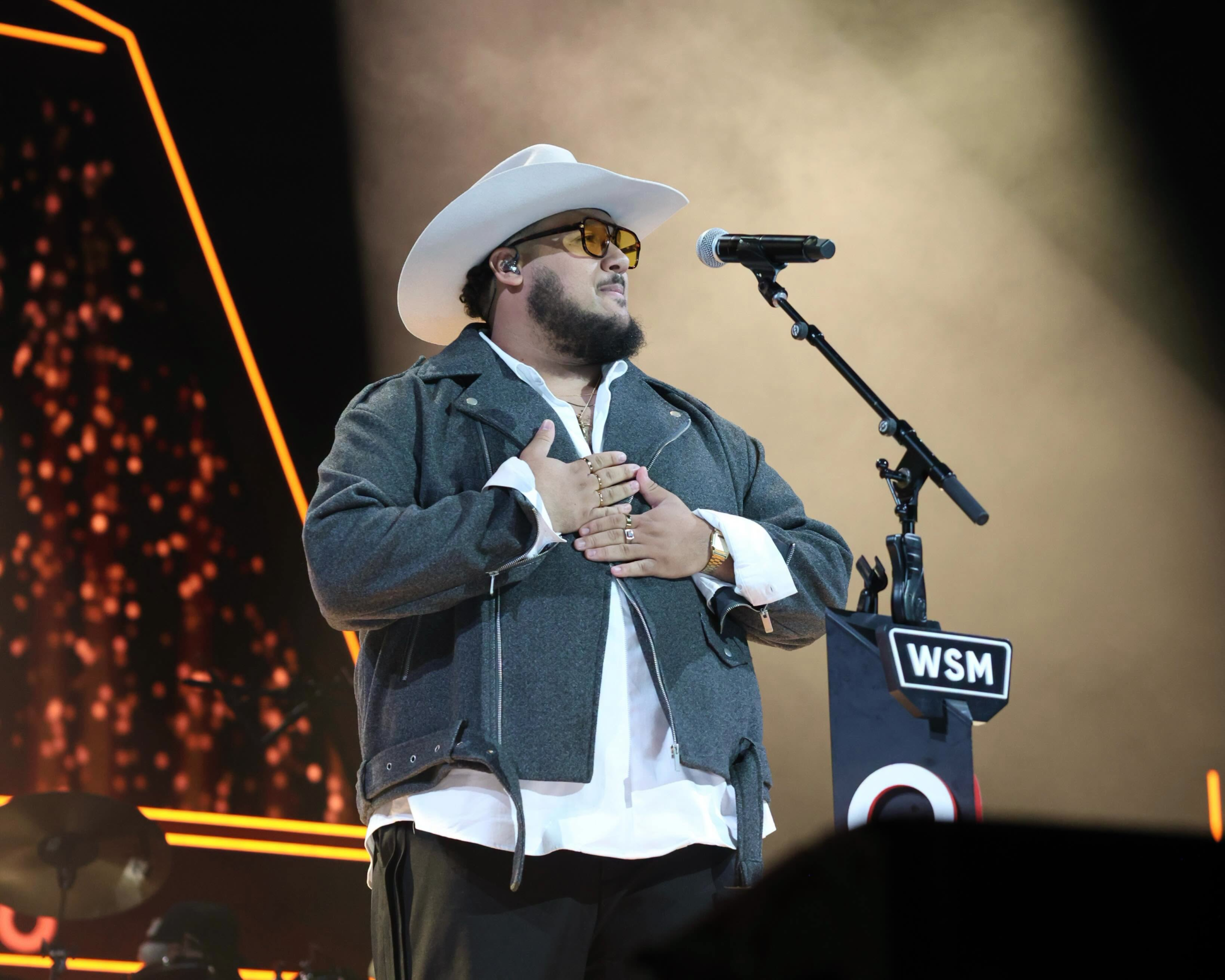
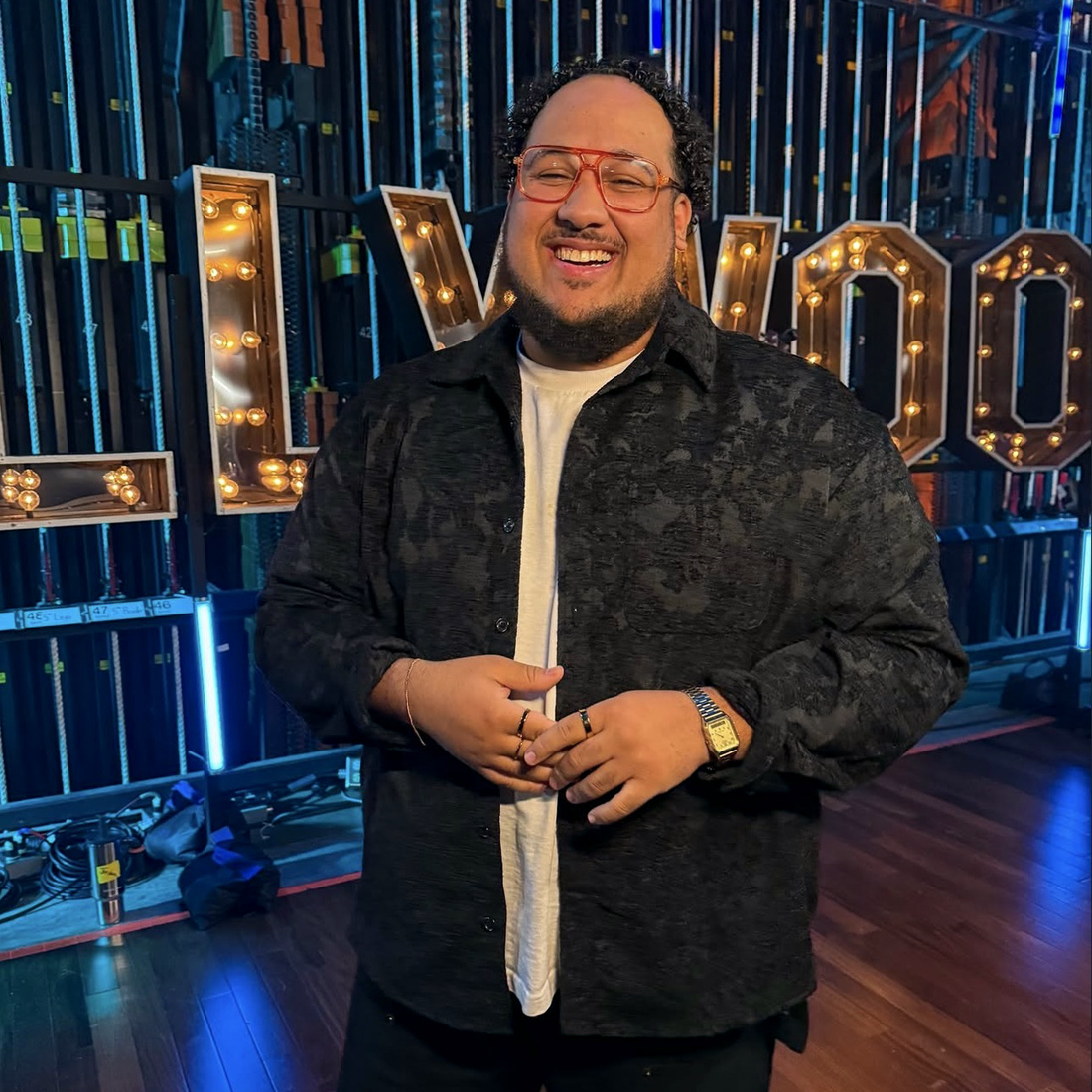
A whole lot of love filled the room at the Grand Ole Opry as another name stepped into country music’s most storied circle. Tonight wasn’t just a performance; it was a passage. A debut marked not by spectacle, but by sincerity—where every note carried the weight of years spent preparing for a single, defining moment.
For Jordan McCullough, this was more than a stage. It was an arrival into a tradition that has shaped generations of artists, where the wooden circle underfoot has witnessed legends before him. The Opry does not simply introduce new voices; it tests them, listens closely, and remembers what is real.
From the moment the lights softened and the crowd settled into anticipation, there was a noticeable shift in the air. It wasn’t noise or spectacle that took over—it was attention. The kind of attention reserved for moments that feel larger than the sum of their parts, where even silence becomes part of the performance.
Every debut at the Opry carries its own invisible weight. It is the tension between legacy and individuality, between what has come before and what is still being written. Tonight, that tension found its balance in a performance that felt grounded, honest, and unforced.
There is a particular vulnerability that comes with stepping onto that stage for the first time. No amount of rehearsal can fully prepare an artist for the moment when the room stops evaluating and starts feeling. That shift—subtle but unmistakable—is where debut performances either fade or become memory.
Jordan McCullough stood in that space with a quiet steadiness. Not as someone trying to prove a point, but as someone offering a piece of himself to a room that has heard every kind of voice imaginable. In that exchange, something unspoken was built: trust between artist and audience.
What makes the Opry unique is not just its history, but its refusal to dilute authenticity. The crowd does not demand perfection; it responds to truth. And in tonight’s performance, truth carried more weight than polish ever could. Every phrase felt deliberate, yet unstrained.
Around the room, you could sense the collective awareness that this was one of those nights artists remember long after the applause fades. The kind of night where family, friends, and strangers all share the same realization—that a threshold has been crossed, quietly but permanently.
Backstage energy often tells a story of its own during moments like this. There is a mixture of nerves, gratitude, disbelief, and focus that lingers in the air long after the final rehearsal ends. Tonight was no different, except that everything felt slightly heightened, as if time itself was leaning in.
The weight of tradition at the Opry is not meant to intimidate—it is meant to anchor. It reminds every performer that they are part of something far larger than a single night. And yet, it is still up to them to leave a mark that feels distinctly their own.
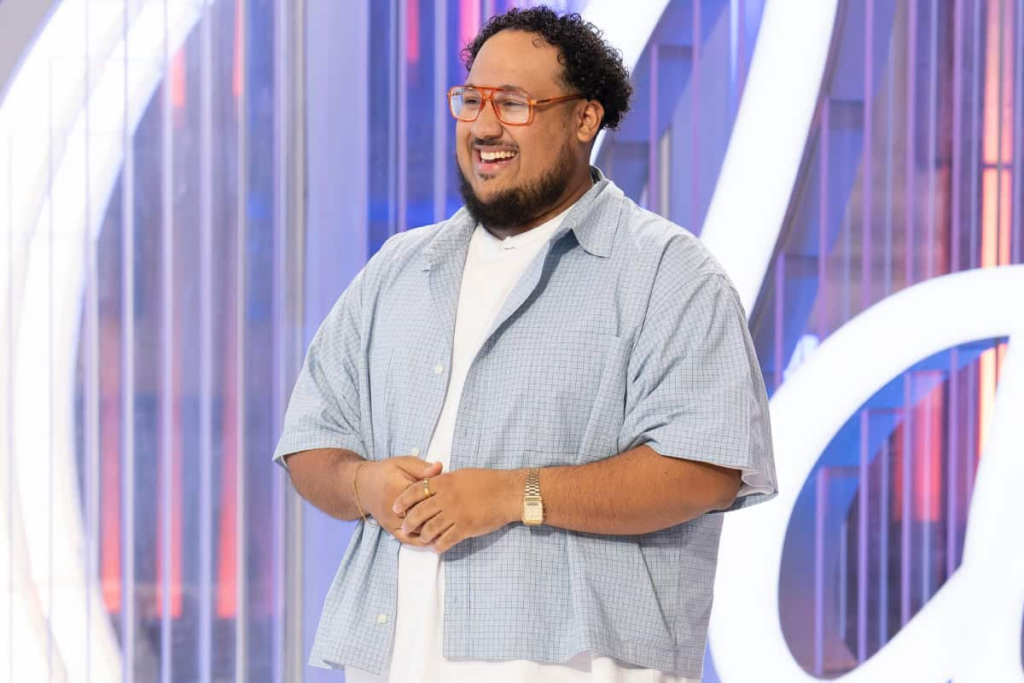
As the final moments of the debut unfolded, there was no rush to fill the silence that followed. Instead, it lingered—warm, respectful, and reflective. That silence often says more than applause ever could, especially in a place that has learned to listen carefully for meaning.
What remains after a night like this is not just the memory of a performance, but the beginning of a story. A story that will continue to unfold beyond the lights of the Grand Ole Opry, shaped by every stage that comes next and every song yet to be written.
And so, as congratulations echo outward and the moment settles into history, one thing becomes clear: debuts at the Opry are never just introductions. They are invitations—to watch closely, to listen differently, and to remember when a new voice first became part of something timeless.