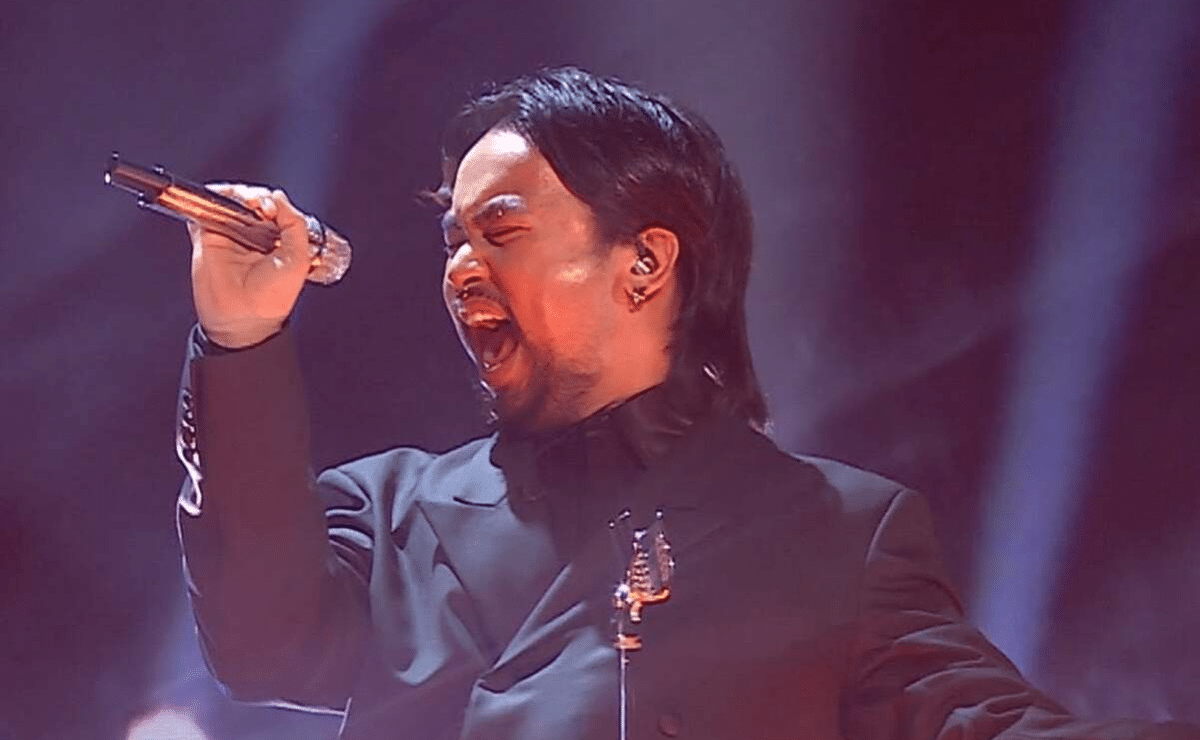
For most talent show winners, the moment their name is announced marks the end of the competition and the beginning of celebration. But for Hawkstone Farmers Choir, their victory on Britain’s Got Talent 2026 appears to have started something entirely different.
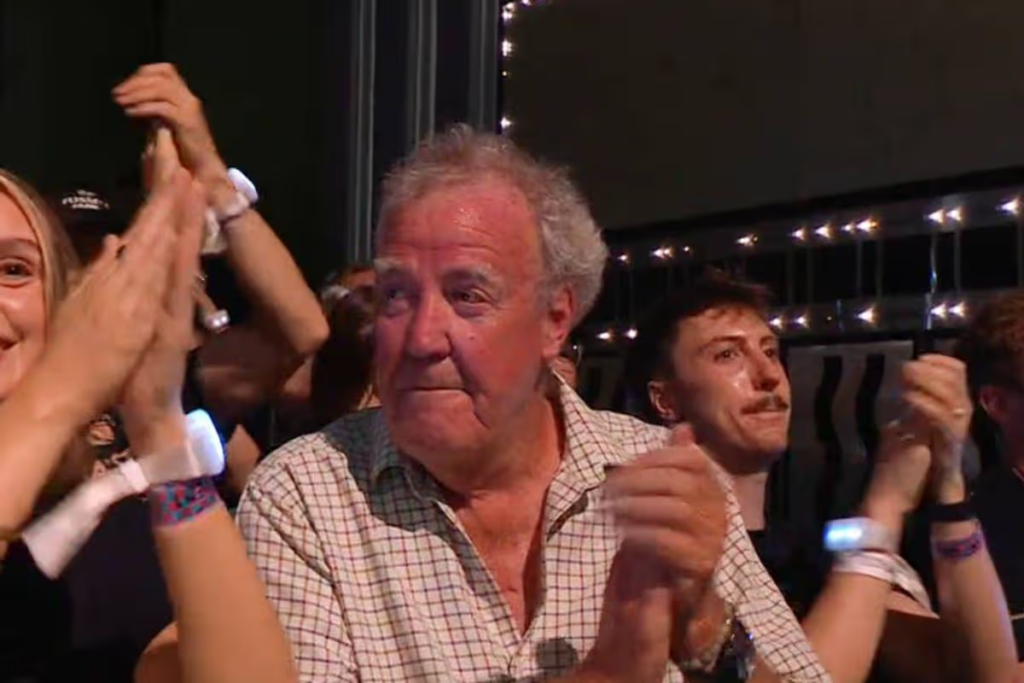
Seconds after hosts revealed the choir as the champions, social media exploded with a reaction few people expected. Instead of unanimous congratulations, thousands of viewers rushed online expressing confusion, disbelief, and frustration. The phrase “This doesn’t add up” appeared repeatedly across posts, comments, and videos as fans tried to process what had just happened.
The center of the debate wasn’t necessarily Hawkstone Farmers Choir themselves. Most viewers acknowledged the group’s talent, charm, and ability to connect with audiences throughout the season. What many struggled with was the belief that another contestant, Matty Juniosa, had built unstoppable momentum heading into the final.
For weeks, Matty had become one of the season’s most talked-about performers. His journey resonated with viewers who saw more than just talent. They saw vulnerability, determination, and a performer who seemed capable of producing unforgettable moments whenever he stepped on stage.
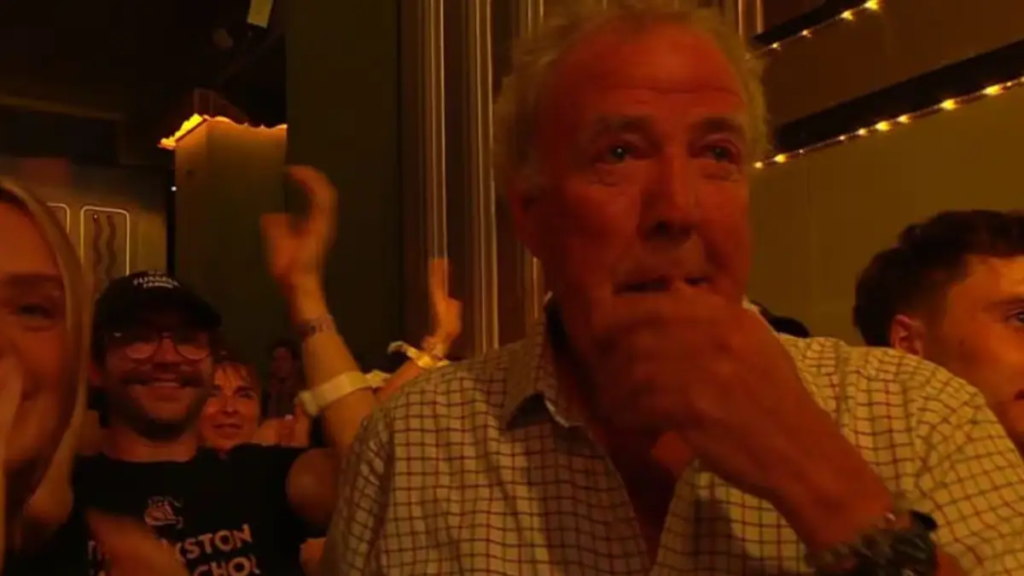
That perception made the final result feel shocking to a large portion of the audience. Cameras briefly captured reactions from the crowd, and many viewers immediately began dissecting every expression, every applause shot, and every moment of silence. Within minutes, theories started forming.
One name repeatedly entered the conversation: Jeremy Clarkson.
Clarkson’s enthusiastic support for Hawkstone Farmers Choir had never been a secret. As a prominent public figure with a massive following, his backing brought enormous attention to the group throughout the competition. To supporters, that attention simply helped more people discover an act they already loved. To critics, however, it became an easy explanation for an outcome they hadn’t anticipated.
Soon, social media became divided into competing camps.
One side argued that Hawkstone Farmers Choir represented something uniquely British. They weren’t polished pop stars or established entertainers. They were ordinary people sharing extraordinary passion, and that authenticity connected deeply with viewers across the country.
The opposing side maintained that popularity and momentum seemed overwhelmingly tilted toward Matty Juniosa. Many pointed to online engagement, viral clips, and audience reactions as evidence that the final result didn’t match what they had witnessed during the season.
As the arguments intensified, a fascinating reality emerged.
Very few people were actually discussing talent anymore.
Instead, the conversation shifted toward perception. Fans began debating whether social media popularity truly reflects public voting. Others questioned whether online communities create echo chambers that make certain outcomes feel inevitable when they are anything but.
History suggests this phenomenon isn’t unique to Britain’s Got Talent. Reality competition shows have repeatedly demonstrated that the loudest voices online don’t always represent the largest voting audience. A contestant can dominate headlines, trends, and comment sections while another quietly builds support among viewers who rarely post about television online.
That possibility has caused some fans to reconsider their initial reactions.
Could it be that Hawkstone Farmers Choir simply connected with a different audience?
Could the millions watching from living rooms across Britain have voted differently than the highly active online fan communities?
Those questions remain at the heart of the controversy.
Yet perhaps the most intriguing twist has nothing to do with vote counts, celebrity endorsements, or social media outrage. The real story may be the remarkable response generated by both finalists after the show ended.
While arguments raged online, Matty Juniosa responded with grace. Instead of fueling the controversy, he appeared appreciative of the support he received throughout the competition. His reaction earned admiration even from people still disappointed by the outcome.
Meanwhile, Hawkstone Farmers Choir found themselves in an unusual position. They had achieved the dream every contestant enters the competition hoping to reach, yet much of the public discussion focused on defending their legitimacy rather than celebrating their achievement.
Ironically, both acts may emerge as winners in ways nobody anticipated.
Controversy creates attention. Attention creates curiosity. And curiosity often introduces performers to audiences who may never have discovered them otherwise.
Long after the trophy presentation fades from memory, people may remember this finale for something far more significant: the conversation it sparked about talent, popularity, influence, and the unpredictable nature of public voting.
Perhaps that is why this story continues to dominate discussions days after the winner was announced.
The debate was never really about whether Hawkstone Farmers Choir deserved to win or whether Matty Juniosa should have won instead. It became a reflection of how modern audiences consume entertainment, how quickly narratives form online, and how difficult it can be to separate expectation from reality.
One thing is certain: Britain’s Got Talent crowned a winner, but the finale created something much bigger than a champion.
It created a mystery that viewers are still trying to solve.
And until fans feel they understand why the result unfolded the way it did, this may remain one of the most talked-about finales in the show’s history.