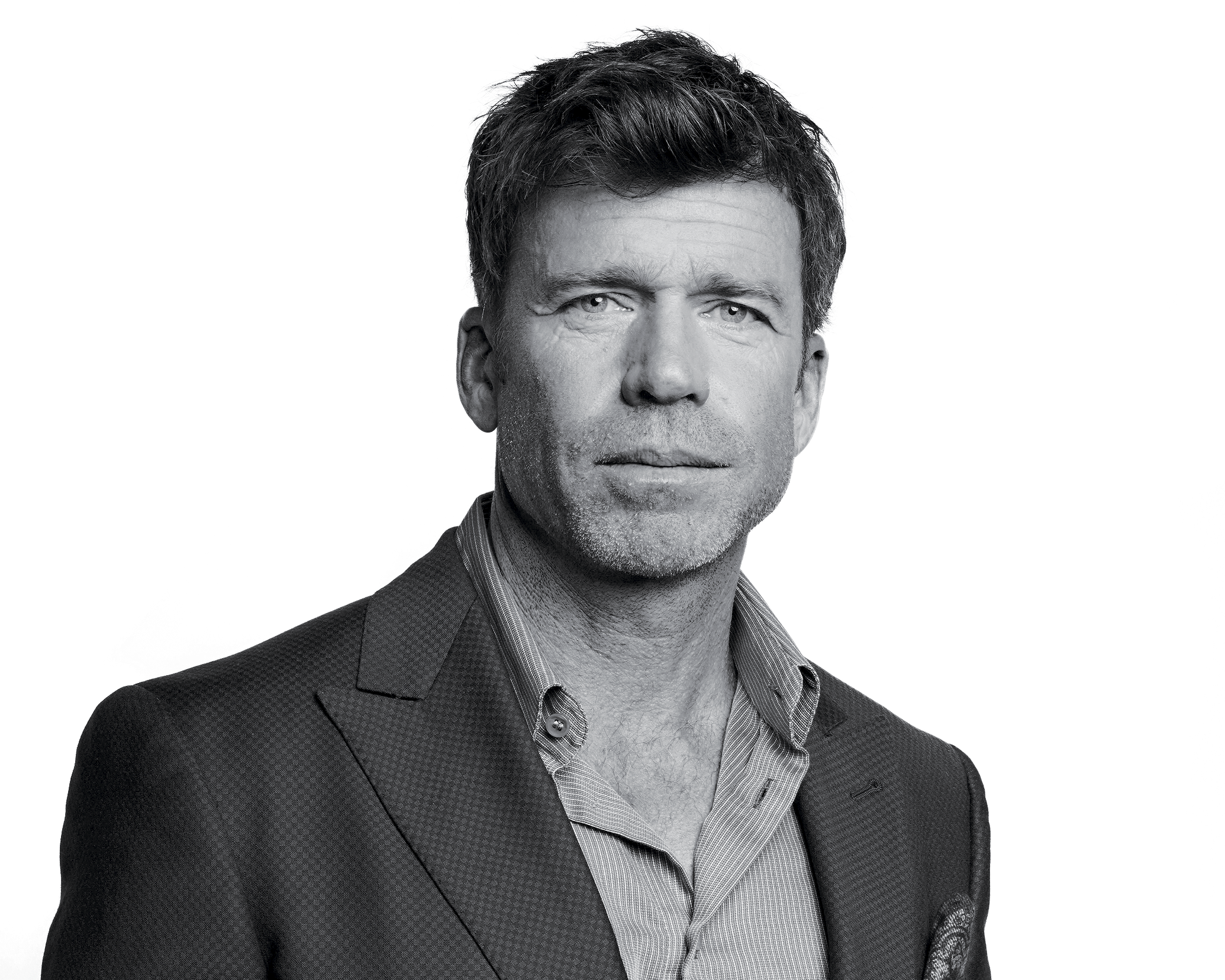
Every creative person has a place that shapes the way they think, work, and tell stories. For some, that place is the heart of Hollywood. For Taylor Sheridan, however, the road has led somewhere entirely different. During a recent appearance on The Bill Simmons Podcast, the acclaimed screenwriter made it clear that he does not look back on his years in Los Angeles with longing. In fact, he offered one of his bluntest assessments yet, describing the city as lacking a strong foundation and saying it was “built on sand.”
The comments immediately sparked conversation, but anyone familiar with Sheridan’s career knows they fit a pattern that has defined his creative journey. He has never been interested in following the expected path. Whether writing emotionally charged dramas or building expansive television universes, Sheridan has consistently chosen authenticity over convention. His latest remarks simply reinforced the idea that he values substance over image.
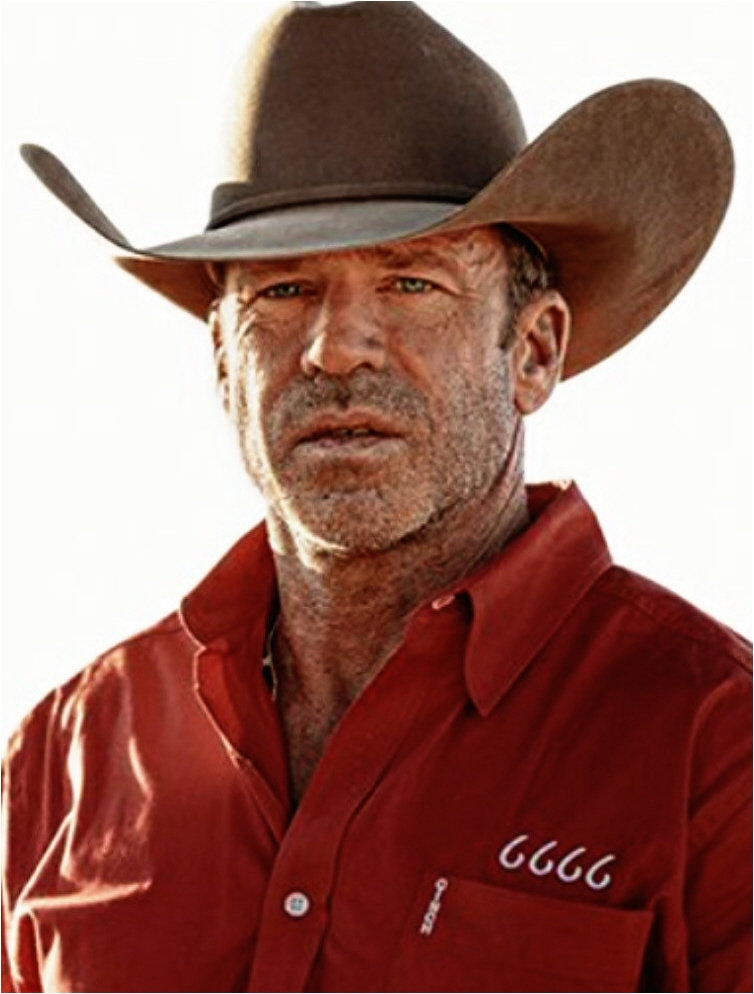
For decades, Los Angeles has represented the center of the entertainment industry. Countless actors, writers, producers, and directors arrive every year hoping to build careers in the city. It remains a place where opportunities are created daily and where some of the world’s biggest productions begin. Yet success does not require every storyteller to stay there forever, and Sheridan has become one of the clearest examples of that reality.
Rather than remaining in California, Sheridan has established his creative base in Fort Worth, Texas. That decision reflects more than a change of address. It represents a different philosophy about storytelling. Texas offers landscapes, communities, and traditions that naturally align with the themes found throughout many of his projects. The environment itself has become part of the creative process.
Several of Sheridan’s productions have embraced that setting. Series such as Landman, Lioness, and the upcoming Frisco King are being filmed in Texas, allowing the stories to feel rooted in authentic locations rather than relying solely on studio backlots. Viewers increasingly appreciate productions that capture the character of real places, and Sheridan has repeatedly demonstrated how location can become a character in its own right.
His connection to wide-open spaces extends beyond Texas. Sheridan and his wife also maintain a home in Wyoming, another place that reflects his appreciation for landscapes, ranch life, and communities far removed from Hollywood’s fast pace. Those surroundings often echo the themes that appear throughout his work—independence, resilience, responsibility, and the complicated relationship between people and the land they call home.
Part of what makes Sheridan’s comments resonate is that they are consistent with the worlds he creates. His stories rarely glorify glamour or celebrity. Instead, they focus on ordinary people facing extraordinary challenges. Ranchers, soldiers, law enforcement officers, oil workers, and families navigating difficult decisions often occupy the center of his narratives. That perspective naturally aligns with a lifestyle that values practicality over prestige.
Of course, his remarks about Los Angeles have also generated debate. Many people continue to view the city as one of the world’s greatest centers for artistic collaboration and innovation. Others share Sheridan’s belief that creative freedom can sometimes flourish more easily outside traditional industry hubs. Neither perspective erases the other. Instead, the discussion highlights an important truth: creativity is no longer confined to a single location.
The entertainment industry itself has changed dramatically over the past decade. Advances in technology, expanded production incentives, and the growth of streaming platforms have allowed filmmakers and television creators to produce ambitious projects across the United States. Cities and states that were once considered secondary production markets now host some of television’s biggest series. Sheridan’s success reflects that broader transformation.
What makes his career especially notable is that he has built one of television’s most recognizable storytelling brands while remaining committed to his own creative instincts. Rather than adapting his stories to fit a particular city or trend, he has chosen locations that naturally strengthen the narratives he wants to tell. That consistency has helped distinguish his work in an increasingly crowded entertainment landscape.
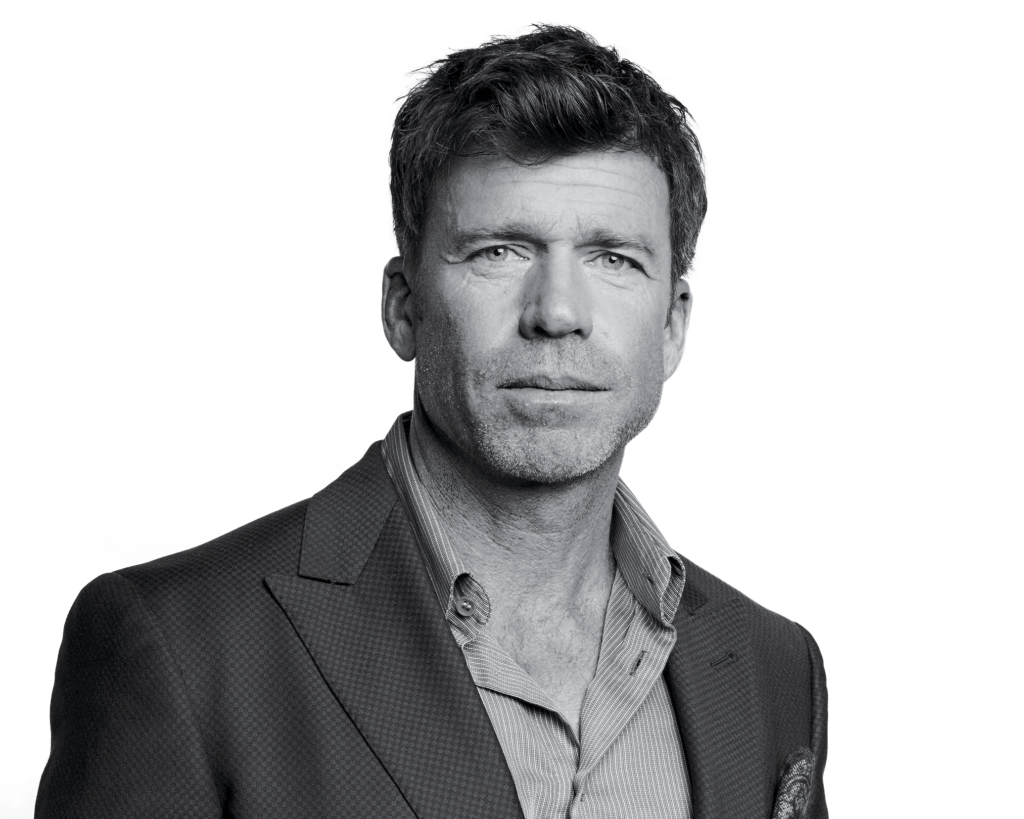
For aspiring writers and filmmakers, Sheridan’s journey offers an encouraging lesson. Success does not always require following the traditional blueprint. While Los Angeles continues to be an important destination for many creative professionals, others are discovering that meaningful stories can emerge from places that feel more authentic to their own experiences. The most important foundation may not be a city at all—it may be a clear creative vision.
Taylor Sheridan’s candid comments are likely to continue fueling conversations about Hollywood, filmmaking, and where great stories truly begin. Whether audiences agree with his assessment or not, one thing remains undeniable: he has built an extraordinary career by trusting his instincts rather than chasing expectations. From the plains of Texas to the mountains of Wyoming, Sheridan has shown that compelling storytelling is not defined by geography. It is defined by honesty, conviction, and the courage to create from a place that genuinely feels like home.