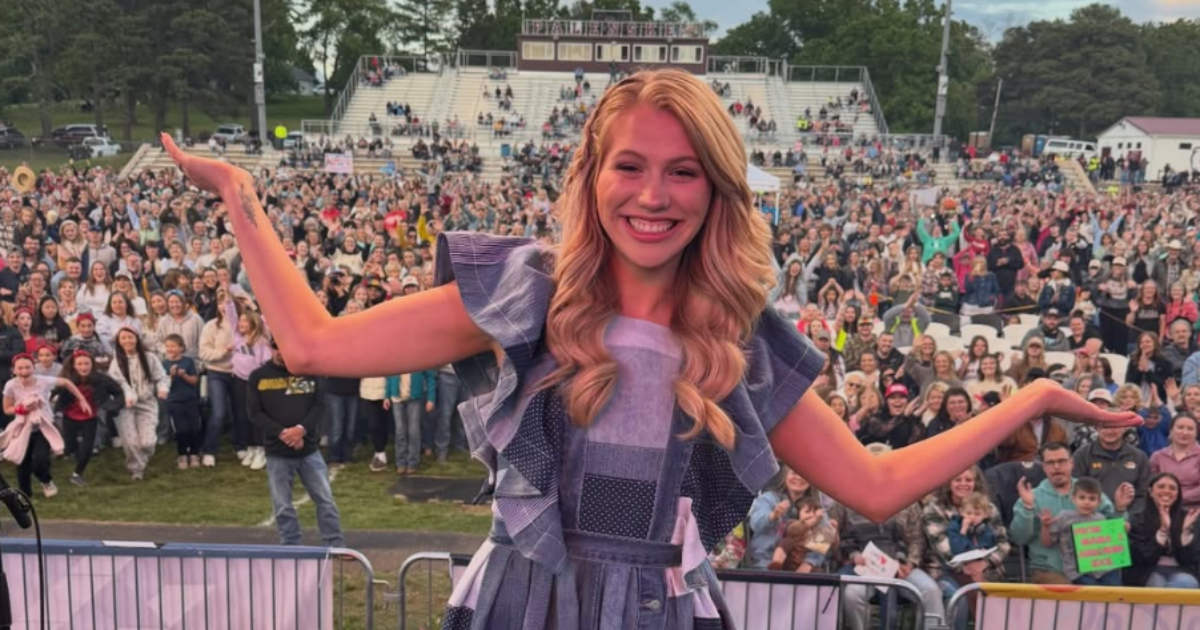
In a world where viral moments can create overnight celebrities, Hannah Harper seems to be speaking a completely different language. While many rising artists are busy chasing numbers, headlines, and social media validation, Harper keeps returning to a single idea that feels surprisingly old-fashioned: purpose.
It is a word she mentions often. Not fame. Not popularity. Not status. Purpose.
That distinction may reveal more about her future than any chart position ever could.
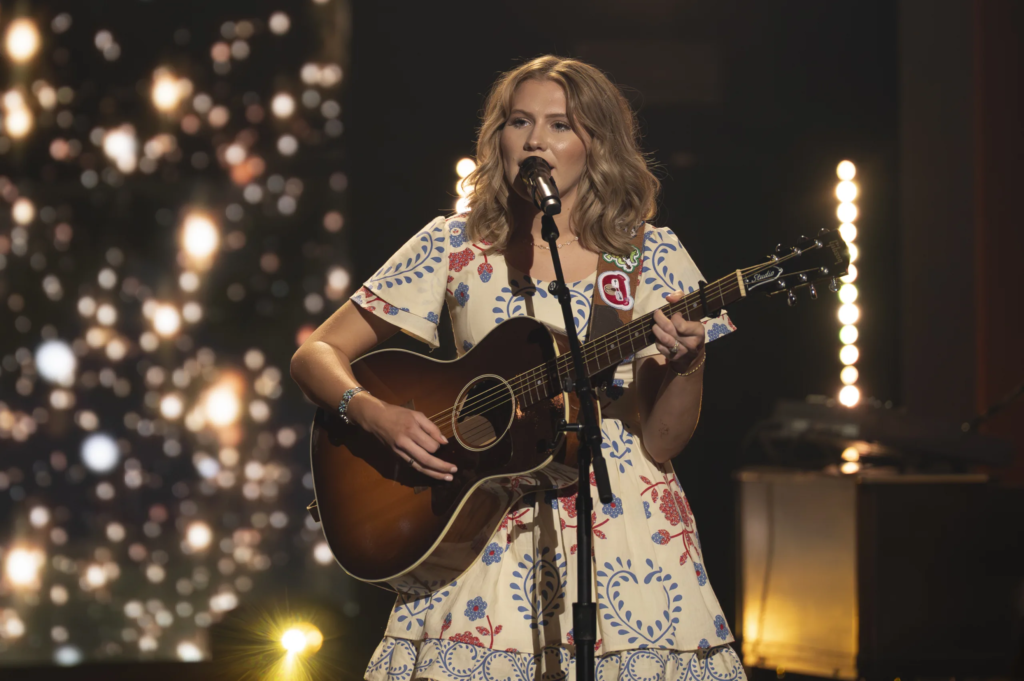
For many young performers, success arrives as a whirlwind. One day they’re unknown, and the next they’re standing in front of thousands of people, navigating a flood of attention they never imagined. The temptation to become consumed by that spotlight is real. Yet Hannah Harper appears determined to keep her eyes fixed on something deeper.
What makes this fascinating is that fame is currently available to her in ways it wasn’t before. Opportunities are opening. Fans are multiplying. Industry professionals are paying attention. If there was ever a moment to lean fully into celebrity culture, this would be it.
Instead, Harper continues talking about impact.
That choice says a great deal about how she views her journey. For her, music does not seem to exist merely as a vehicle for recognition. It appears to be something more personal—a way to communicate values, experiences, struggles, and hope. In a landscape where attention often becomes the goal itself, she treats attention as a tool rather than a destination.
There is something refreshing about that perspective.
The entertainment industry has always rewarded visibility. Artists are encouraged to stay relevant, remain in the conversation, and constantly generate buzz. While there is nothing inherently wrong with ambition, problems arise when external validation becomes the only measure of success. Careers built entirely on attention can rise quickly, but they can disappear just as fast.
Purpose works differently.
Purpose creates resilience. It gives artists a reason to keep creating even when applause fades. It helps them navigate criticism without losing themselves. Most importantly, it provides a foundation that remains steady when circumstances change.
This may explain why Hannah Harper’s message resonates with so many people. Audiences are becoming increasingly skilled at detecting authenticity. They know when someone is performing a personality and when someone is genuinely living their values. Harper’s repeated emphasis on purpose feels less like a branding strategy and more like a reflection of who she actually is.
That authenticity is becoming one of her greatest strengths.
Fans often connect most deeply with artists who remind them of something they rarely encounter in public life: sincerity. People are surrounded by carefully curated images every day. They see highlight reels, polished narratives, and manufactured perfection. When someone speaks openly about meaning, growth, faith, gratitude, or service, it cuts through the noise.
Harper’s story seems to be moving in that direction.
Rather than positioning herself as someone who has all the answers, she often comes across as someone who is still learning, still growing, and still discovering her path. Ironically, that humility may make her more relatable than many performers who appear larger than life.
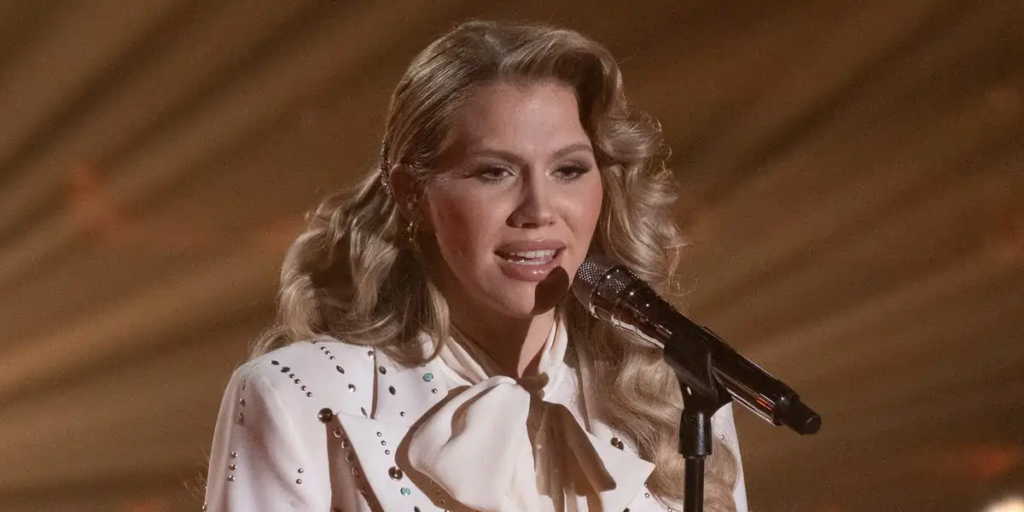
There is also a practical reason purpose matters more than fame. Fame is largely outside a person’s control. Public attention shifts constantly. Trends change. Audiences move on. Purpose, however, belongs to the individual. It is an internal compass rather than an external reward.
When artists focus primarily on purpose, they become less dependent on the unpredictable nature of public approval.
That mindset could prove invaluable as Harper’s career continues to evolve. The higher someone climbs, the louder the distractions become. New opportunities often arrive alongside new pressures. Maintaining clarity becomes increasingly difficult. Yet artists who know why they started tend to navigate those challenges more effectively than those who only know what they hope to gain.
Perhaps that is why Hannah Harper keeps returning to the same conversation.
She understands that fame can attract attention, but purpose sustains a legacy.
Years from now, people may not remember every headline, every trend, or every viral moment from this chapter of her career. What they are more likely to remember is the impression she left behind—the lives she touched, the stories she shared, and the values she carried with her when success arrived.
And if her recent words are any indication, that is exactly the kind of success she wants.
Because for Hannah Harper, fame may be part of the journey. But purpose appears to be the destination.