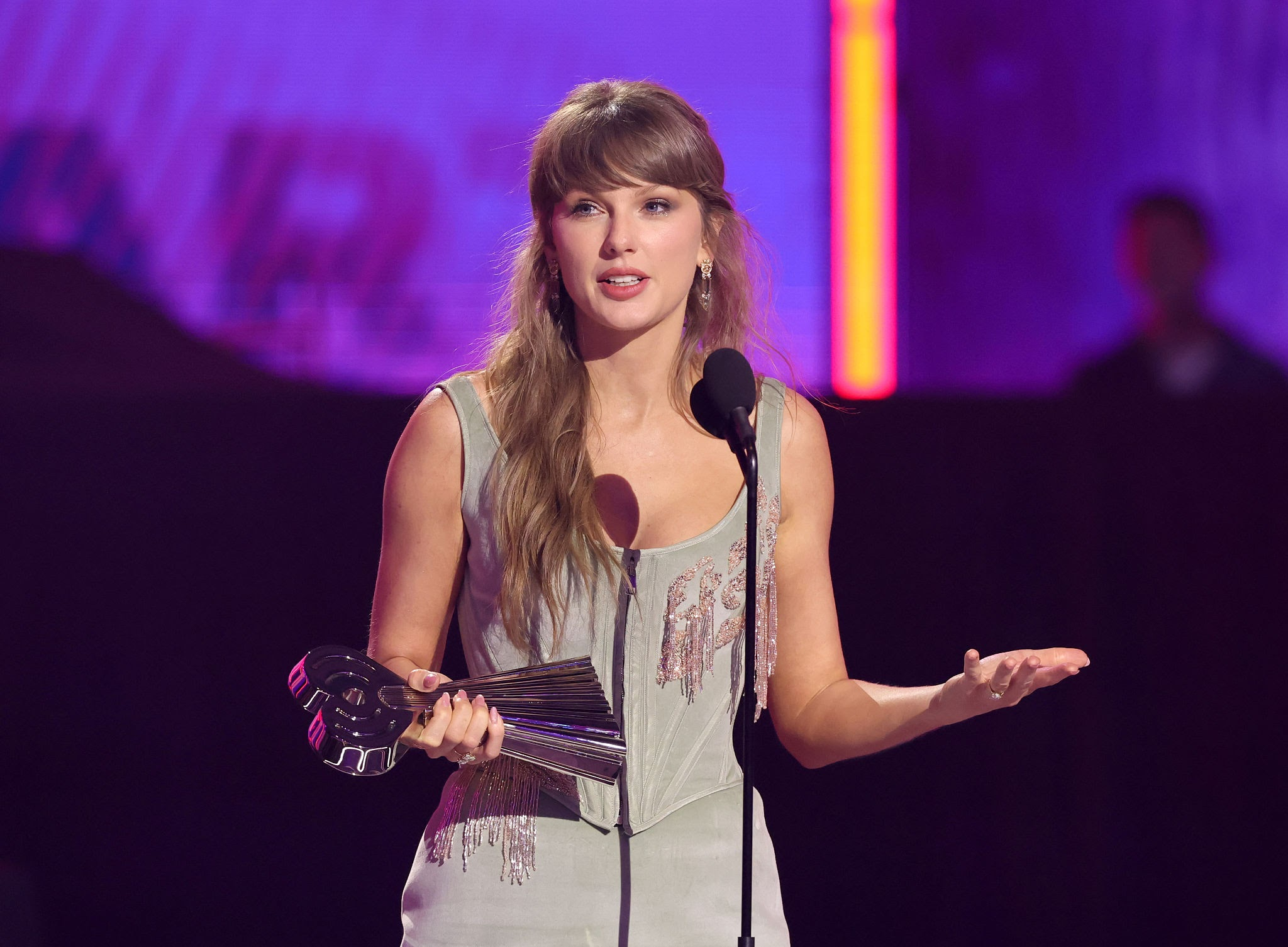
The Tight-End University stage recently delivered a moment that should have been remembered purely for its musical impact: Lainey Wilson sharing the spotlight with Taylor Swift in a performance that blended confidence, chemistry, and vocal control. Instead, much of the online response shifted away from sound and toward scrutiny of appearance, reigniting an uncomfortable pattern that has long followed women in entertainment.
What should have been a celebration of two major artists collaborating turned into a fragmented debate on image, tone, and perceived “fit” on stage. Comments labeling Wilson as “frumpy” or “not polished enough” spread quickly across social platforms, overshadowing the actual performance. The disconnect between what was heard and what was discussed raises a persistent question: why does visibility for women in music still trigger aesthetic judgment before artistic recognition?
This reaction is not new, but it feels increasingly exposed in the digital age. Social media accelerates commentary faster than context can form, allowing surface-level opinions to dominate conversations that should be about craft. In this case, vocal performance, stage presence, and artistic compatibility were replaced by reductive narratives about how an artist should look next to another.

Wilson’s rise in country music has been built on a distinct identity rooted in authenticity rather than conformity. Her voice, storytelling approach, and stylistic choices reflect a deliberate resistance to homogenized expectations. Yet that same individuality often becomes the basis for unfair critique when filtered through visual comparison rather than musical merit.
The collaboration with Swift highlighted a contrast that should have been interpreted musically—two artists with different backgrounds, tones, and performance instincts creating a shared moment. Instead, parts of the audience reframed that contrast as incompatibility, reducing artistic diversity to an aesthetic mismatch rather than a creative strength.
This type of commentary exposes a broader structural issue in entertainment culture: women are still frequently evaluated through visual coherence rather than professional execution. Male counterparts in similar collaborative spaces are rarely subjected to equivalent scrutiny about appearance when sharing stages with global superstars.
What makes the response particularly telling is how quickly it dismissed the actual performance. The Tight-End University event was not a fashion showcase or curated image moment; it was a live musical collaboration. Yet the discourse shifted toward whether one artist “looked right” next to another, as though visual symmetry outweighs sonic contribution.
In doing so, the conversation unintentionally reinforces the idea that female artists must constantly negotiate between authenticity and acceptability. When an artist like Wilson leans into her natural identity, she is often praised for individuality in one context and criticized for it in another, depending on who she stands beside.
The irony is that the performance itself demonstrated exactly what the industry claims to value: strong vocals, stage confidence, and audience connection. These are measurable artistic elements, yet they were overshadowed by subjective commentary rooted in appearance-based bias.
This is where the question becomes larger than a single performance. It is no longer just about one viral moment, but about the recurring expectation that women in music must visually “match” their collaborators to be accepted without critique. That expectation rarely applies with the same intensity across genders.
At its core, the reaction reflects an ongoing tension between progress and perception. The industry has made visible strides in amplifying diverse voices, yet audience behavior—especially in online spaces—often lags behind, clinging to outdated standards of presentation and femininity.
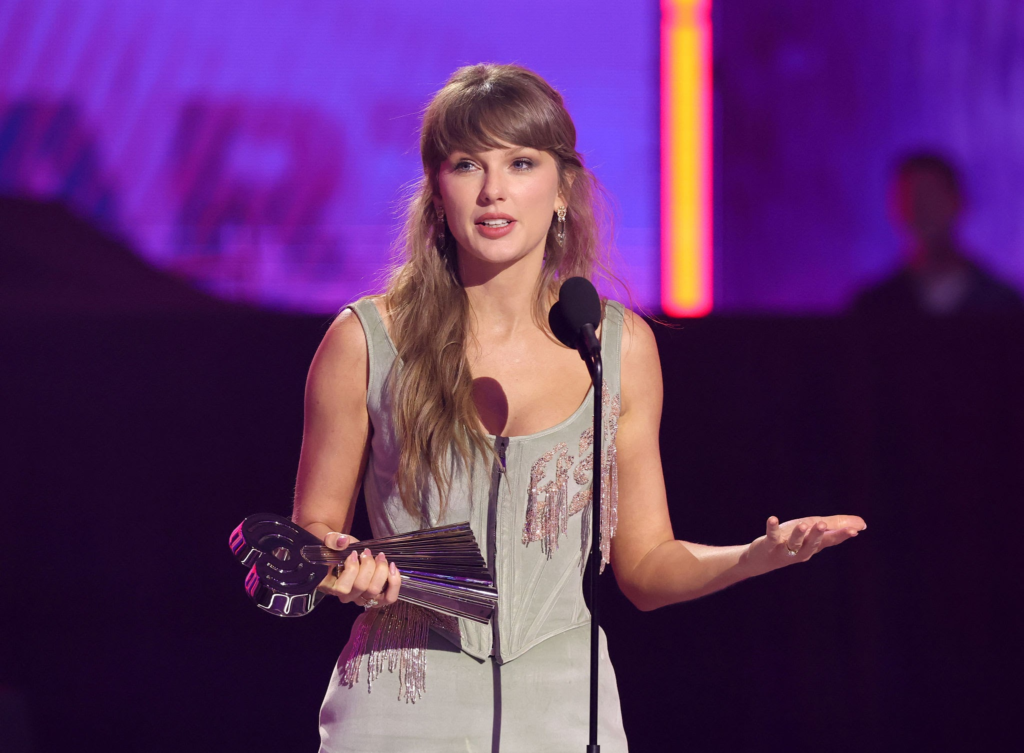
The deeper issue is not whether Wilson belongs on that stage—she clearly does—but why her presence alongside another major artist still triggers comparison framed through appearance instead of artistry. That shift in focus reveals more about cultural bias than it does about performance quality.
If anything, the collaboration underscores how much work remains in separating talent from image-based judgment. Because until audiences consistently evaluate performances for what they are rather than how they look, artists like Wilson will continue to be pulled into conversations they never invited—and never deserved to be part of.