
There are performances built for votes, and then there are performances built for memory. Brooks Rosser delivered the second kind when he stepped onto the stage and quietly changed the atmosphere before he even sang a note.
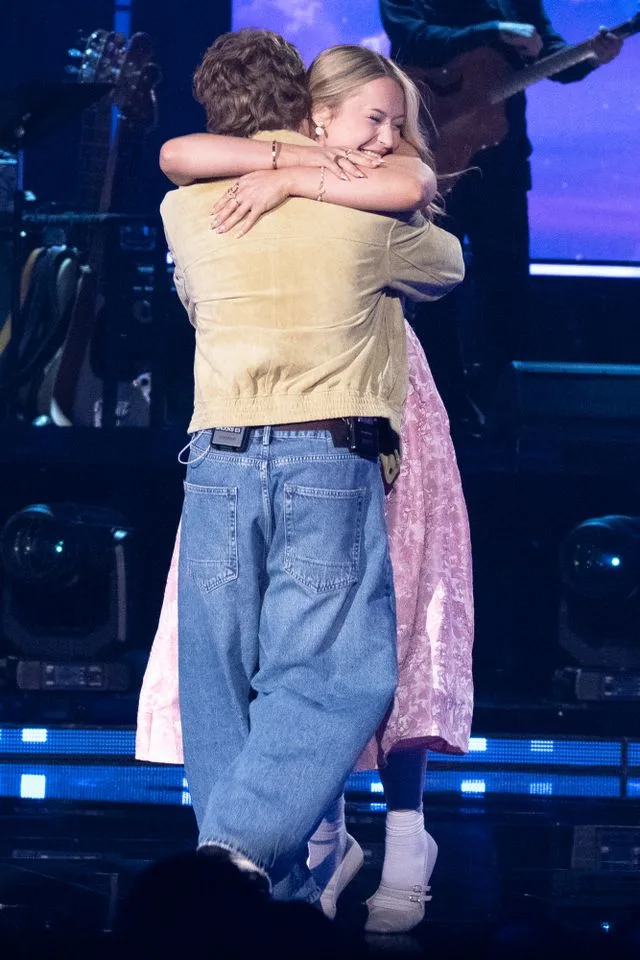
With a simple dedication—“This one’s for you…”—Brooks introduced She Will Be Loved in a way that immediately made the moment feel more intimate than competitive. The song was for Rae Boyd, and from that instant forward, the room understood this would not be just another round in a contest.
It would be something personal.
Competition shows are often filled with big notes, dramatic lighting, and calculated attempts to create standout moments. There is nothing unusual about that. But every now and then, a contestant chooses vulnerability over spectacle, sincerity over strategy, and connection over performance tricks. Brooks chose exactly that path.
The effect was immediate.
As the opening lines began, the energy inside the room noticeably softened. Audiences can sense when a contestant is merely performing well and when a contestant means every word they are singing. Brooks carried the second kind of presence. His delivery felt grounded, focused, and emotionally present from start to finish.
That authenticity is difficult to manufacture.
Many singers can hit notes beautifully. Many can navigate melody with technical skill. But honesty has a different sound. It lives in phrasing, in restraint, in eye contact, in the way someone allows a lyric to land naturally rather than forcing emotion into it. Brooks seemed to understand that instinctively throughout the performance.
She Will Be Loved is a familiar song, one audiences know deeply. That creates both opportunity and risk. Familiar songs can connect quickly, but they can also feel repetitive if delivered without fresh meaning. Brooks avoided that trap by anchoring the performance in real emotion.
Because he dedicated it to someone specific, listeners heard the lyrics differently.
Words that might usually feel universally romantic suddenly felt personal and immediate. The audience was not just hearing a song about devotion—they were witnessing a person express devotion in real time. That shift transformed the performance from cover version to emotional statement.
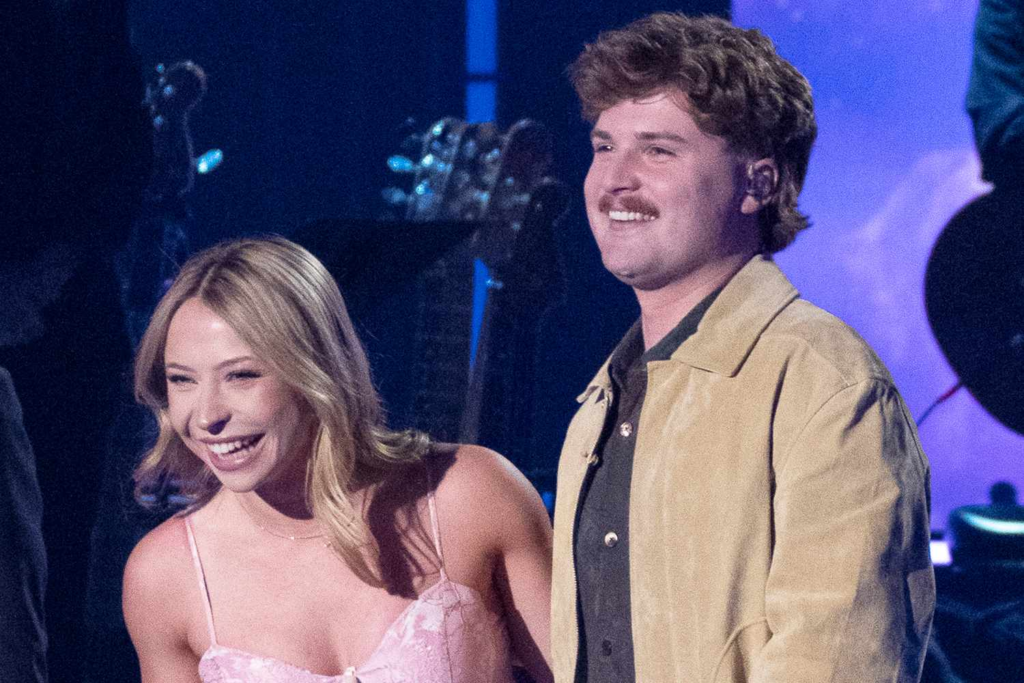
The judges responded strongly, and for understandable reasons.
They praised his vocal control, which remained steady even as the emotional stakes of the moment rose. That balance matters. Contestants sometimes lose technical focus when trying to communicate feeling, or become so technical that the heart disappears. Brooks managed to hold both elements together, which is harder than it looks.
But beyond the vocal compliments, it was clear they were reacting to something deeper: authenticity.
Judges on shows like this evaluate hundreds of performances. They hear big voices, bold arrangements, and carefully planned moments every season. What often stands out most is not excess—it is truth. When someone creates a genuine emotional connection, even experienced judges tend to respond differently.
Fans seem to feel the same.
Viewers are already describing it as one of those rare performances that reaches beyond the stage itself. That phrase matters because audiences know when a moment transcends competition mechanics. They stop thinking about rankings, votes, and outcomes. For a few minutes, they simply feel something real.
Those moments are uncommon.
They cannot be guaranteed by production design or camera angles. They happen when timing, song choice, and sincerity align. Brooks appeared to find that alignment perfectly. He chose a song people know, dedicated it with intention, and delivered it without trying to overstate the emotion.
There was strength in the simplicity.
No giant reveal was needed. No dramatic speech was required. The power came from how understated the whole thing felt. Sometimes the most moving moments are not loud—they are honest enough to quiet the room.
This may also explain why the performance lingers with people after it ends. Loud performances often dominate the night. Honest performances tend to stay longer. Viewers remember how they felt while watching, and that emotional memory can become more powerful than any technical highlight.
For Brooks Rosser, this moment may become one of the defining chapters of his journey. Not because it was flashy. Not because it chased applause. But because it reminded people that music can still communicate what words sometimes cannot.
And in a competition full of pressure, strategy, and noise, that kind of sincerity becomes unforgettable.
Whether fans view it as a tribute, a love letter, or simply a beautiful performance, one truth seems clear: Brooks Rosser did more than sing She Will Be Loved that night.
He made the entire room feel it.