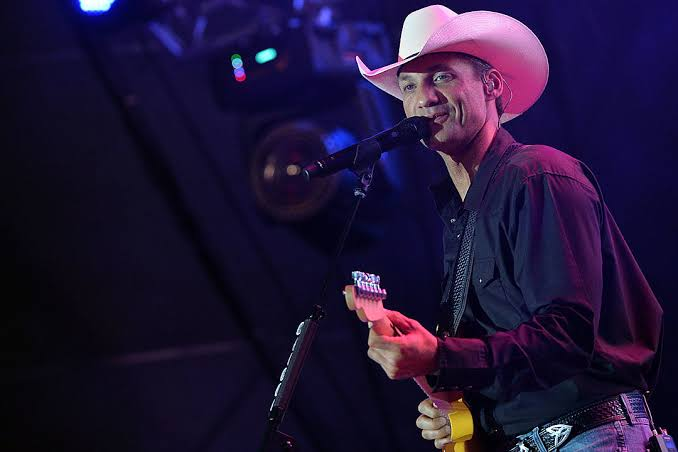
Some artists spend years chasing a number-one song. For Wade Hayes, it happened almost immediately.
In late 1994, a young singer from Bethel Acres, Oklahoma, stepped into country music with a debut single called “Old Enough to Know Better.” He was just 25 years old, carrying little more than a guitar, a dream, and a newly signed record deal with Columbia Records. Few could have predicted what would happen next.
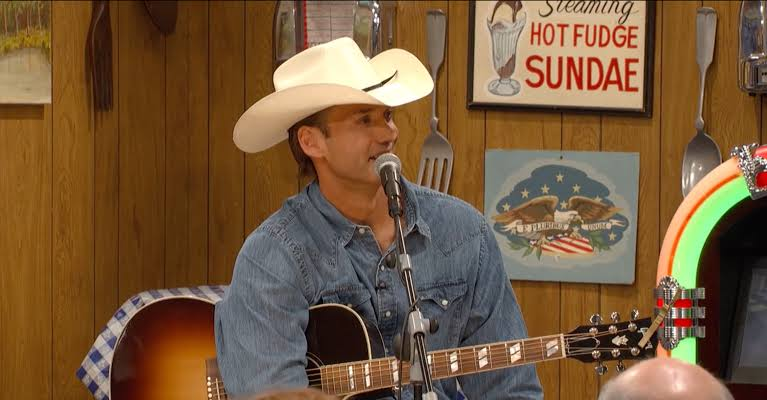
By February 1995, the song had climbed all the way to the top of the Billboard country chart.
For most artists, a first single is an introduction. For Wade Hayes, it was a breakthrough. His very first release became a number-one hit, instantly placing him among country music’s most promising newcomers. The industry took notice, radio embraced him, and fans quickly connected with his easygoing style and unmistakable voice.
The success didn’t stop there.
His debut album earned gold certification, selling more than 500,000 copies. The music video, filmed at the legendary Gruene Hall in Texas, captured the spirit of traditional country music at a time when the genre was rapidly evolving. Everything seemed to be lining up for a long reign at the top.
From the outside, it looked like the beginning of a story destined for endless chart success.
But country music has always been unpredictable.
Although Wade continued releasing songs that resonated with listeners and earned respectable chart positions, he never reached the number-one spot again. The song that introduced him to the world remained his only chart-topper.
For many artists, that might have become the defining disappointment of a career.
Yet Wade Hayes never allowed a chart position to define his worth.
He kept recording. He kept touring. He kept doing what musicians do best—showing up, night after night, song after song. While trends changed and the spotlight shifted elsewhere, he remained committed to the music that first inspired him.
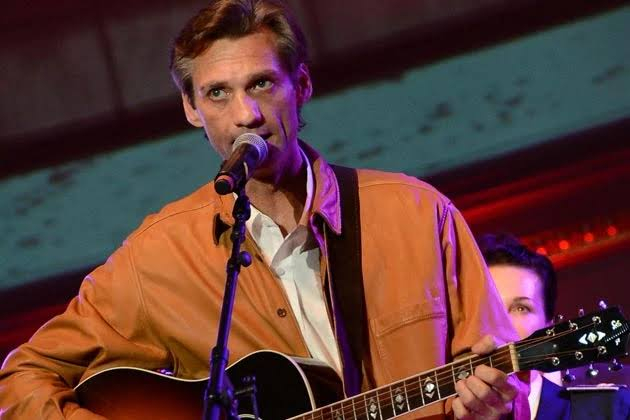
Then life presented a challenge far greater than anything the music industry could offer.
In 2011, Wade Hayes received devastating news: stage IV colon cancer.
Suddenly, chart rankings and industry expectations seemed insignificant. The battle before him wasn’t about career momentum. It was about survival. The diagnosis would test every ounce of strength, courage, and determination he possessed.
Many people know what it means to fight adversity.
Few know what it means to stare down a life-threatening illness and refuse to surrender.
Wade did exactly that.
He endured treatments, uncertainty, and the emotional toll that accompanies a serious diagnosis. Through it all, he maintained the resilience that had carried him through every chapter of his career. Against overwhelming odds, he beat cancer.
Then he beat it again.
That victory revealed something even more important than musical success.
It showed the character of the man behind the songs.
Because while a number-one hit can make someone famous, perseverance is what earns lasting respect. Wade Hayes’ story gradually became about something larger than country music. It became a story about endurance, gratitude, and the refusal to quit when life becomes difficult.
More than three decades after “Old Enough to Know Better” first changed his life, Wade found himself revisiting the song that started it all.
This past March, he returned to the studio to re-record the track.

The title remained the same.
The melody remained familiar.
But the man singing it was different.
The youthful optimism of a 25-year-old rising star had been replaced by the wisdom of someone who had experienced triumph, setbacks, illness, recovery, and renewal. Every note now carried the weight of lived experience.
The new recording isn’t simply a remake.
It’s a conversation between two versions of the same man—one standing at the beginning of a journey and the other looking back after surviving battles few could have imagined.
That’s what makes the song resonate differently today.
Not because it reached number one.
Not because it sold records.
But because the voice behind it has endured.
In an industry often obsessed with statistics, rankings, and fleeting moments of fame, Wade Hayes represents something far more meaningful. He represents persistence. The ability to keep moving forward when circumstances suggest otherwise.
His first hit may have reached the top of the charts.
But the story that followed reached somewhere deeper.
Because long after the trophies, certifications, and chart positions fade into history, people remember those who keep standing after life tries to knock them down.
And that may be Wade Hayes’ greatest achievement of all.