
The Chicks may have stepped onto the Jimmy Kimmel Live stage on Tuesday to perform “Not Ready To Make Nice,” but what unfolded felt far bigger than a routine television appearance. From the moment the first notes rang out, the performance carried a weight that instantly captured attention. It wasn’t simply about revisiting a familiar hit; it was about revisiting a moment in music history that continues to resonate with audiences years later.
For longtime fans, the song remains one of the group’s most powerful statements. It emerged from a period when public scrutiny, criticism, and controversy surrounded the trio, transforming what could have been a difficult chapter into an anthem of resilience. Hearing it performed again on national television reminded viewers why the track has endured for so long.

The atmosphere inside the studio seemed to shift as the performance progressed. There was a noticeable intensity in the delivery, one that reflected both experience and confidence. The Chicks didn’t appear interested in recreating the past. Instead, they presented the song through the lens of everything that has happened since it first became a defining piece of their catalog.
One of the most striking aspects of the performance was its simplicity. There were no elaborate distractions competing for attention. The focus remained squarely on the music, the lyrics, and the emotion behind them. In an era where spectacle often dominates live television, that approach felt refreshingly authentic.
As the trio moved through the song, viewers were reminded of the emotional depth that helped make it a cultural touchstone. The lyrics continue to speak to anyone who has faced criticism, misunderstanding, or pressure to remain silent. That universal message has allowed the song to transcend the circumstances that originally inspired it.
Social media reacted almost immediately after the broadcast. Fans praised the group’s vocal chemistry, while others highlighted the enduring relevance of the song’s themes. Many viewers noted that the performance felt timely despite the years that have passed since the track first reached audiences. In a rapidly changing entertainment landscape, few songs manage to maintain that kind of connection across generations.
The performance also served as a reminder of The Chicks’ remarkable longevity. Trends come and go, and countless artists experience fleeting moments of popularity. Yet the trio has consistently demonstrated an ability to remain meaningful by staying true to their artistic identity. Their willingness to speak honestly through their music has helped cultivate a relationship with audiences built on authenticity rather than convenience.
For newer viewers unfamiliar with the song’s history, Tuesday’s appearance may have provided an introduction to one of the most significant chapters in the group’s career. For longtime supporters, it felt like reconnecting with an old friend whose message has only grown more relevant over time. That balance between nostalgia and contemporary relevance is difficult to achieve, but The Chicks managed it effortlessly.
What made the performance especially compelling was the sense that it represented more than a look backward. There was an unmistakable feeling of momentum surrounding the group. Rather than appearing content to rely on past accomplishments, they projected the energy of artists who still have something important to say. That subtle but powerful distinction elevated the appearance beyond a simple television performance.
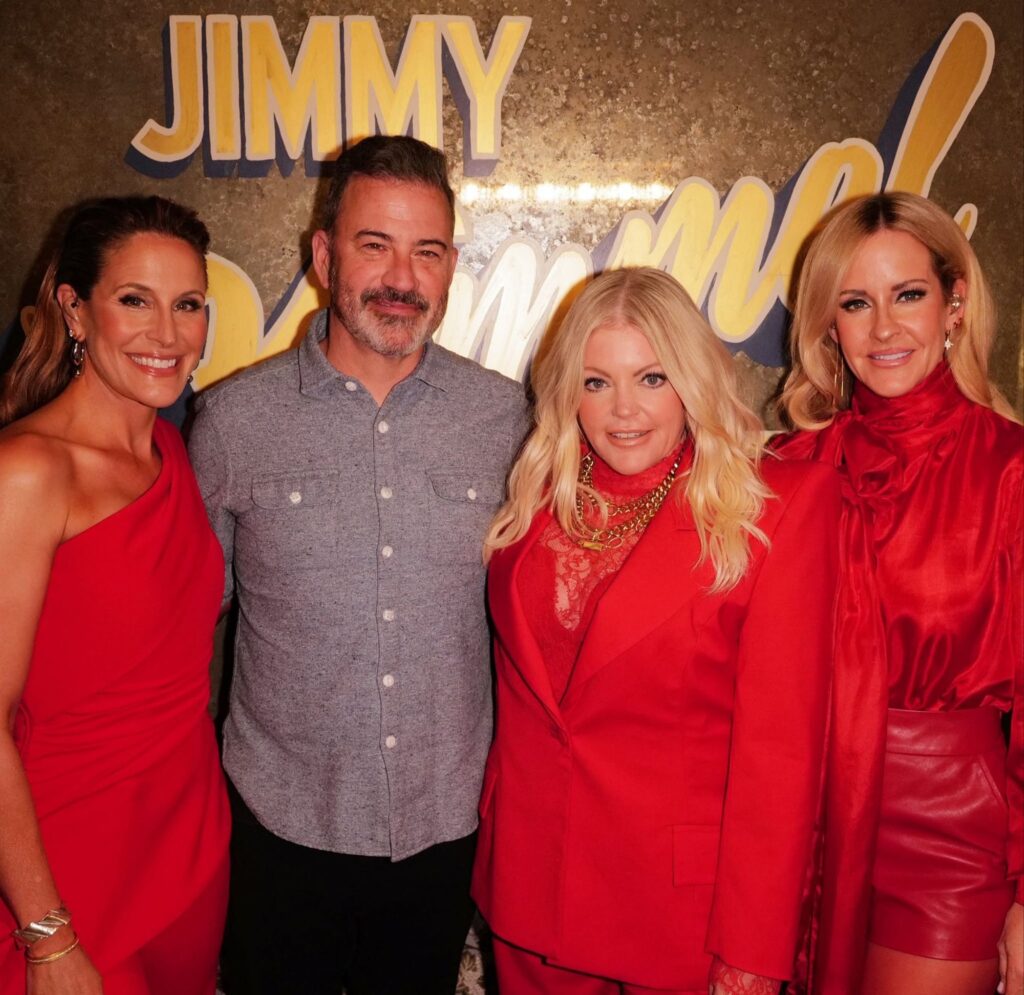
As the final notes faded and applause filled the studio, the moment lingered. Viewers weren’t just reflecting on a song; they were reflecting on a story of perseverance, artistic conviction, and the courage to stand firm when it matters most. Few performances can spark that level of reflection in just a few minutes.
The Chicks arrived on Jimmy Kimmel Live with a song that helped define their legacy, but they left with something even more valuable: a renewed reminder of why their voice continues to matter. If Tuesday night’s performance proved anything, it’s that some songs never lose their power—and some artists never stop finding new ways to make them feel essential. :::