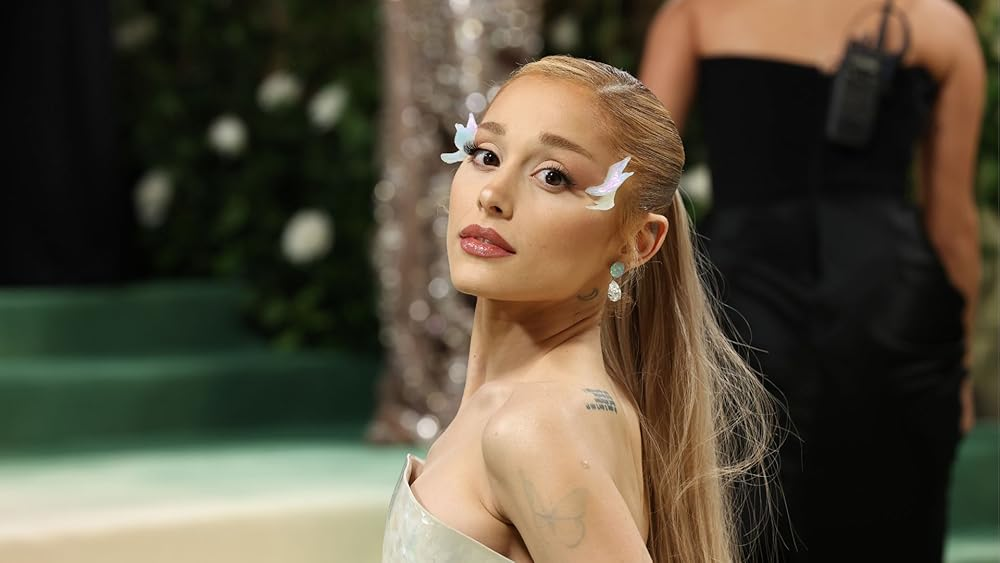
In today’s music landscape, chart battles rarely feel like cultural events—but every so often, two songs collide in a way that captures the entire industry’s attention. That is exactly what is happening right now as Ariana Grande and Ella Langley find themselves locked in a high-stakes race for chart supremacy.
Grande entered the arena with her new single “Hate That I Made You Love Me,” released on May 29 as the lead track from her upcoming album Petal. From the moment it dropped, the song made an immediate impact, signaling yet another major pop era from one of the biggest global artists of the decade—but few expected just how fast the numbers would climb.

On its first day alone, the track reportedly earned 8.788 million Spotify streams, instantly positioning it as one of the strongest streaming debuts of the year. That level of performance reflects not only fan anticipation but also the immense global reach Grande continues to command across platforms and markets.
The momentum didn’t stop there. The song debuted at No. 1 on the UK Singles Chart, reinforcing her dominance in international pop territories. At the same time, it managed to occupy every position in the iTunes Top 5, a rare feat that highlights how aggressively fans have supported multiple versions of the release.
Industry observers note that Grande’s team has also leaned into modern chart strategy by releasing multiple purchasable editions of the single. In an era where every unit can influence final rankings, this approach has become increasingly common among top-tier pop acts competing for peak chart positions.
But standing in her way is a very different kind of chart force.
On the other side of the musical spectrum is “Choosin’ Texas,” the breakout hit from Ella Langley, co-written with Miranda Lambert. Unlike the rapid-fire rollout of a pop campaign, Langley’s success has been built steadily through sustained radio dominance and long-term listener engagement.
The numbers behind “Choosin’ Texas” are already historic. The song has spent 10 weeks at No. 1 on the Hot 100 and more than 25 weeks atop Hot Country Songs, placing it in an elite category shared by only a handful of tracks in music history. It is one of just four songs ever to achieve that level of cross-chart dominance.
What makes Langley’s success particularly notable is the contrast in scale and background. While Grande operates as a global pop superstar with an established international footprint, Langley represents a newer generation of country storytelling rooted in regional authenticity and emotional relatability.
The fact that both artists are now competing in overlapping chart territory creates a rare moment where two entirely different musical worlds are colliding. Pop’s high-intensity streaming strategies and country’s slow-burn radio strength are measuring success in the same arena—but through very different paths.
For Grande, the challenge is sustaining momentum in a rapidly evolving release cycle where streaming spikes often define early success. For Langley, the task is maintaining longevity in a space where listener loyalty and consistent airplay have already pushed her song into historic territory.
The tension between the two tracks reflects a broader shift in how music success is measured today. Charts are no longer driven by a single metric. Instead, they are shaped by a complex mix of streaming, sales, radio performance, and fan-driven engagement strategies that vary dramatically between genres.
Yet despite those differences, both songs have reached a point where they are influencing the same conversation: which track defines the moment in music right now.
What makes this clash especially compelling is the narrative behind it. On one side is a global pop icon continuing to expand her legacy with a meticulously executed release strategy. On the other is a 27-year-old country artist from Hope Hull, Alabama, whose rise reflects the power of storytelling and steady audience connection.
That contrast has turned the chart race into more than just a numbers game. It has become a reflection of how modern music careers are built, sustained, and challenged in real time.
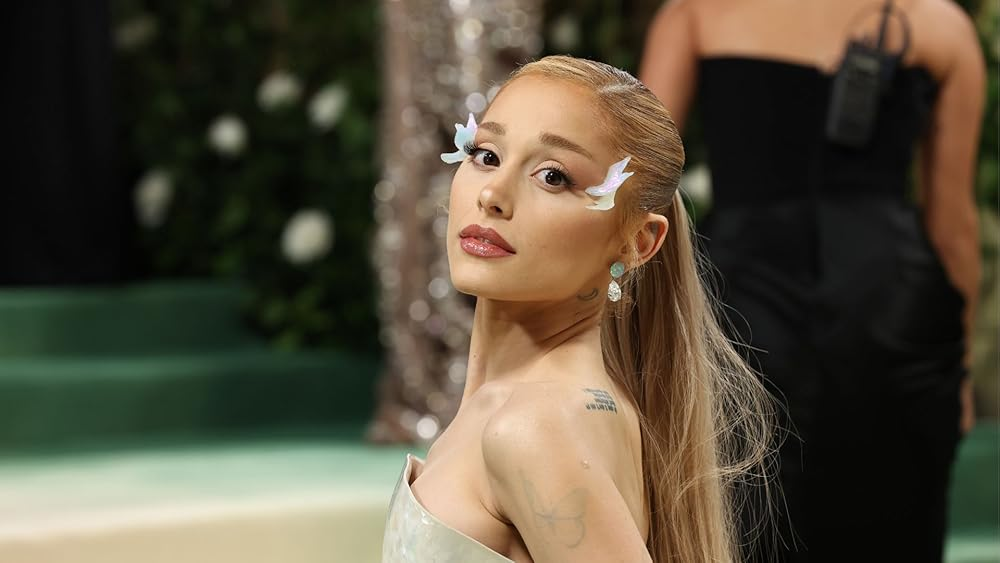
As the competition continues to unfold, one thing is clear: neither song is backing down. Grande’s team is pushing hard to maximize every available metric, while Langley’s track continues to demonstrate surprising endurance week after week.
In an industry where trends often move quickly and attention spans are short, both songs have managed to do something rare—command sustained focus at the highest level.
And as fans refresh charts and track updates, one question continues to grow louder: in a battle between global pop power and country chart endurance, who will ultimately claim the biggest spot in music right now?