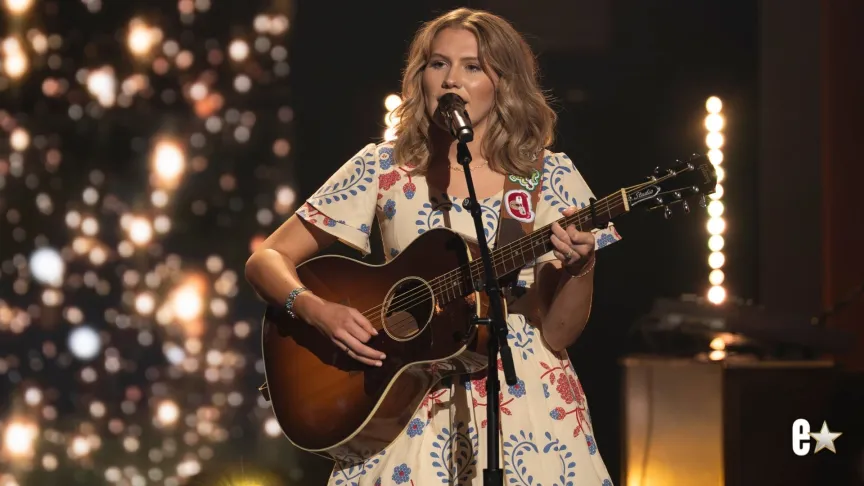
Hannah Harper has officially stepped into a new chapter that feels less like an announcement and more like a turning point in real time. From the bright, pressure-filled stage of American Idol to the expansive world of arena touring, her journey is no longer just about winning—it is about sustaining momentum in the most competitive lane in modern country music.
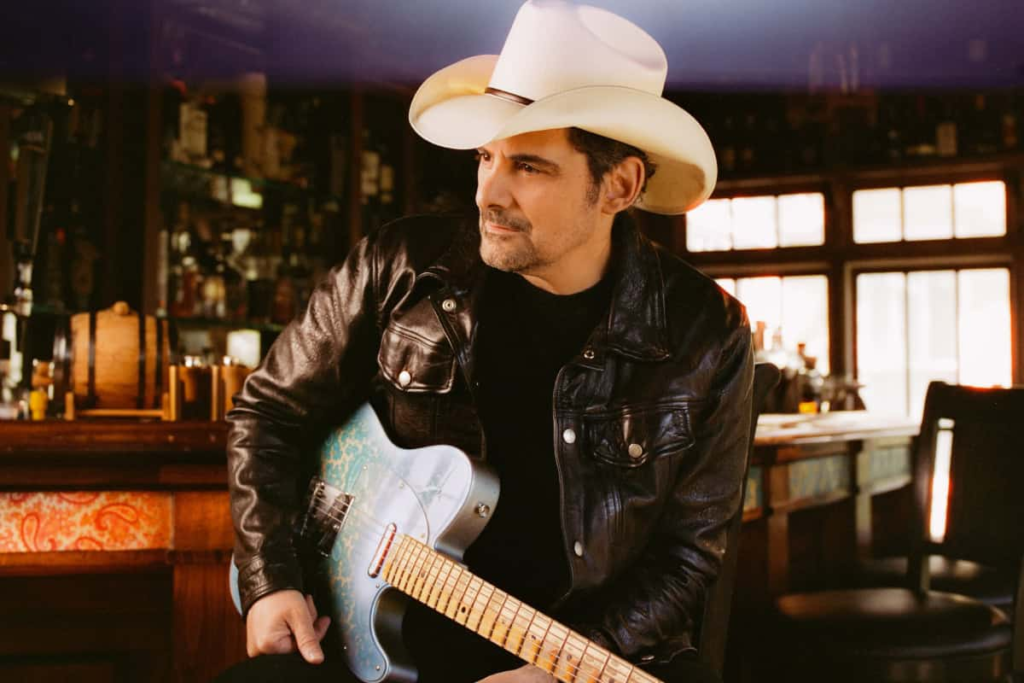
This time, the stage is shared with none other than Brad Paisley, a name synonymous with storytelling, precision musicianship, and decades of touring mastery. For Harper, this is not just an opening slot. It is an immersion into a working ecosystem where every night is a lesson in performance endurance and audience connection.
The announcement has already sparked conversation across the country music community, not only because of the scale of the tour, but because of the unexpected personal thread connecting the two artists long before any official collaboration was ever discussed.
That connection reportedly traces back to an early encounter during her American Idol journey, where Paisley’s mentorship appearance left a lasting impression on Harper. What seemed like a brief interaction at the time quietly evolved into mutual respect, later resurfacing in a professional opportunity neither side appeared to rush, but both clearly valued.
Now, that earlier moment has come full circle. Harper is no longer the contestant hoping for validation—she is the touring artist stepping into national venues with her own growing fanbase, opening for one of country music’s most established live performers.
The 2026 tour itinerary reflects the scale of this opportunity. Harper is set to join select dates including Bridgeport, Boston, Bangor, Wilkes-Barre, West Springfield, and Richmond—each stop placing her in front of thousands of new listeners who may be discovering her outside the Idol spotlight for the first time.
August alone becomes a defining stretch: Bridgeport on August 27, Boston on August 28, and Bangor on August 29. A tightly packed sequence like this is not just scheduling—it is a crash course in consistency, vocal control, and emotional pacing across consecutive high-pressure performances.
September extends that momentum with appearances in Wilkes-Barre on the 24th, West Springfield on the 25th, and Richmond on the 26th. By this point, the tour is no longer an introduction. It becomes repetition, refinement, and reputation-building in real time.
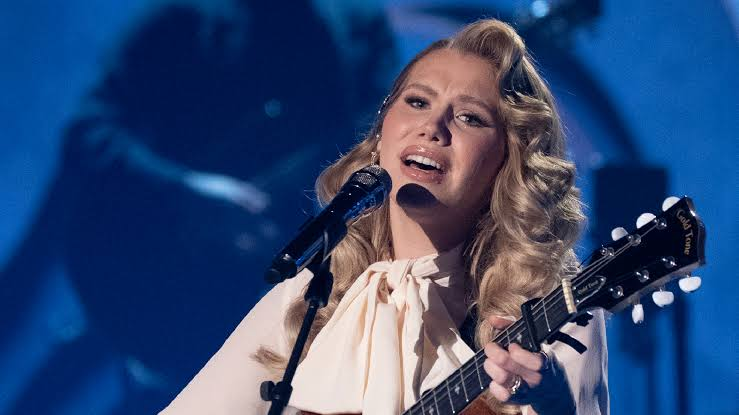
What makes this moment particularly compelling is the contrast between origin and outcome. One year she is navigating televised critique under studio lights; the next, she is stepping into open-air amphitheaters and arena acoustics where audience reaction is immediate, unfiltered, and massive in scale.
For emerging artists, this transition is often where careers are either solidified or stalled. The difference lies not only in talent, but in adaptability—how quickly an artist can shift from competition mindset to touring professionalism without losing authenticity in the process.
Industry observers have noted that pairing a rising voice with an established touring act like Paisley is one of the most strategic moves in country music. It allows organic audience crossover while testing whether the new artist can hold attention outside the narrative of a televised win.
But beyond strategy, there is something more personal unfolding here. Harper has often spoken about the importance of mentors who believed in her early sound, and this tour appears to reflect that same emotional thread—support transforming into shared stage time.
As the tour approaches, anticipation is building not just around Paisley’s setlist or production, but around how Harper will shape her identity night after night in front of unfamiliar crowds. Each performance becomes less about introduction and more about retention—turning first-time listeners into long-term followers.
In many ways, this is the beginning of a second debut. Not the moment she won American Idol, but the moment she proved she could exist beyond it.