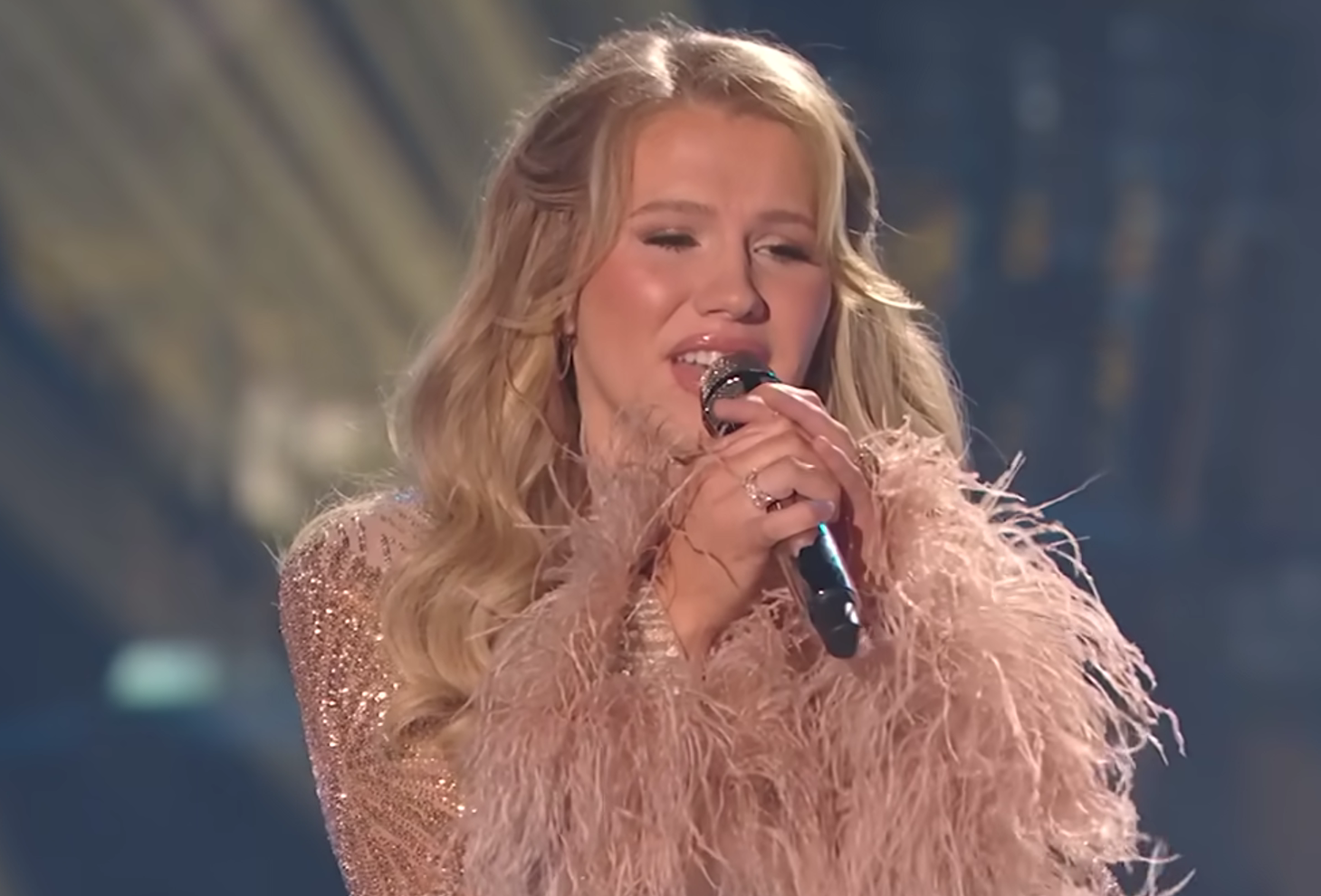
Something unusual happened during the American Idol Season 24 finale.
America did not vote for the loudest performer.
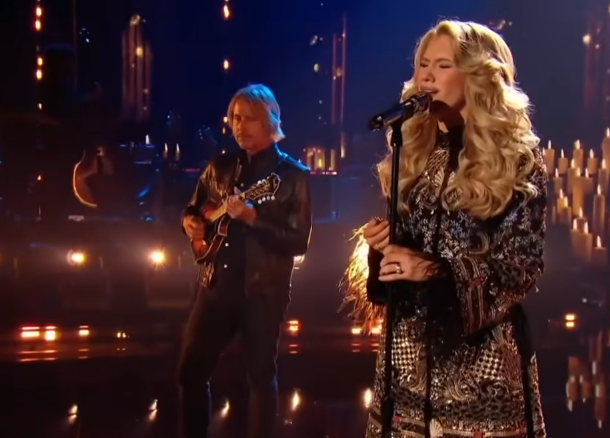
They did not choose the flashiest stage production.
And they certainly did not crown the artist who sounded the most manufactured for radio.
Instead, millions of viewers chose authenticity.
Hannah Harper’s historic victory was more than a television moment. For many fans, it felt like a cultural shift happening live in real time — a sign that audiences may finally be craving emotional honesty over polished perfection again.
That is why her win is suddenly creating conversations far beyond the Idol stage.
For years, mainstream music has leaned heavily toward hyper-produced sounds, carefully engineered image-building, and viral-friendly trends designed to dominate algorithms. Songs became shorter. Hooks became louder. And authenticity often felt secondary to marketability.
Then Hannah Harper arrived.
A small-town singer from the Ozarks with an old-soul country voice, deeply personal storytelling, and a style that felt almost rebellious in today’s entertainment landscape simply because it was so genuine.
And somehow, that sincerity defeated everything else.
Week after week, Hannah proved she did not need over-the-top production to hold attention. She walked onto the stage with emotional honesty, classic country influences, and performances that felt deeply human instead of strategically calculated.
Audiences responded immediately.
Not because she fit the modern pop formula.
But because she completely ignored it.
That may be the most fascinating part of her rise.
At a time when many artists chase trends to stay relevant, Hannah Harper became relevant by sounding timeless. Her performances reminded viewers of an era where storytelling mattered more than social media moments and where emotional connection carried more power than production budgets.
Fans did not just listen to Hannah sing.
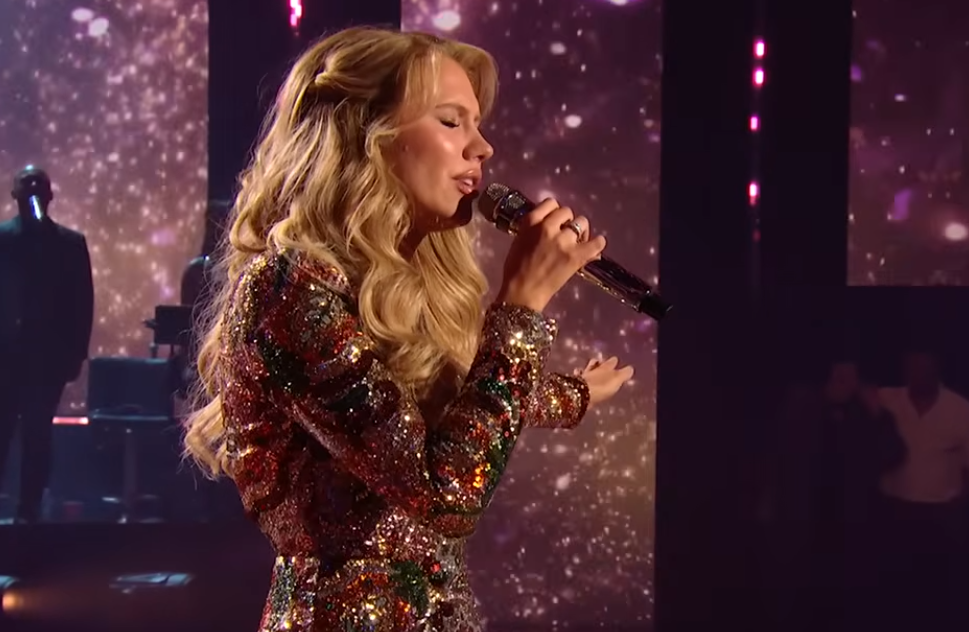
They believed her.
That emotional trust became her greatest strength throughout the season.
By finale night, it became obvious something bigger was happening. Social media exploded with viewers describing Hannah as “refreshingly real,” “a return to authentic music,” and “the kind of artist country music desperately needed.”
Even people outside the country genre admitted they felt emotionally drawn toward her performances.
That says everything.
Because Hannah’s victory was never just about country music beating pop music. It was about sincerity defeating artificiality.
And audiences are hungry for that now more than ever.
The modern music industry has spent years prioritizing perfection. Perfect visuals. Perfect branding. Perfect social media presence. But Hannah Harper reminded millions of people that flaws, vulnerability, and emotional honesty are often what create the strongest connection of all.
She did not sound robotic.
She sounded human.
That difference changed everything.
What makes her win even more significant is the symbolism surrounding it. Hannah became the first female country artist to win American Idol since Carrie Underwood in 2005 — ending a two-decade drought in a moment many fans now see as symbolic of country music reclaiming emotional storytelling on mainstream television.
And unlike many viral entertainment moments, this one feels sustainable.
Because Hannah Harper’s appeal was not built on shock value.
It was built on trust.
The image of a young woman from the Ozarks standing center stage in Los Angeles while staying completely connected to her roots resonated deeply with viewers across America. She represented something people feel is slowly disappearing from mainstream entertainment: authenticity without apology.
That is why her victory feels bigger than one season of television.
It feels like a warning shot to an industry that may have underestimated how badly audiences miss real emotion.
Pop music is not disappearing anytime soon.
But Hannah Harper’s rise proved something undeniable: people are exhausted by performances that feel empty.
They want stories again.
They want vulnerability again.
And judging by the overwhelming response to Hannah Harper’s victory, they may have finally found the artist capable of bringing it back.