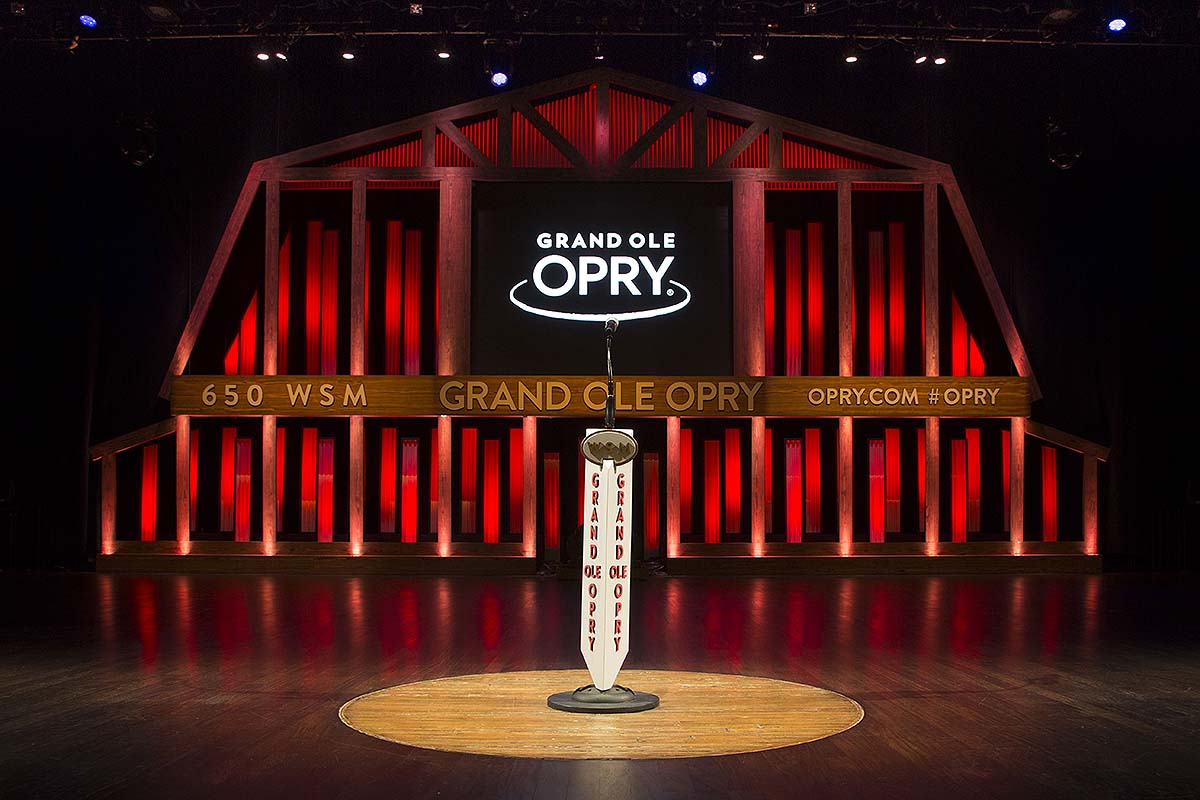
Some buildings are valuable because of the land they stand on. Others become priceless because of the stories they hold. The Grand Ole Opry belongs to the second group. It is not simply another entertainment venue—it is the place where country music has celebrated its greatest victories, mourned its deepest losses, and welcomed generations of dreamers onto its most sacred stage.
News that Ryman Hospitality Properties is exploring the sale of its majority ownership in Opry Entertainment Group has naturally captured the attention of country music fans everywhere. While no agreement has been reached and there is no certainty that a transaction will occur, the possibility alone has sparked an emotional conversation. After all, some places feel too important to imagine changing hands.
For nearly a century, the Grand Ole Opry has represented far more than live performances. It has become a symbol of tradition, perseverance, and authenticity. Artists do not simply perform there—they earn the opportunity. Every appearance carries the weight of those who stood beneath its lights decades before, creating a connection between country music’s past, present, and future.
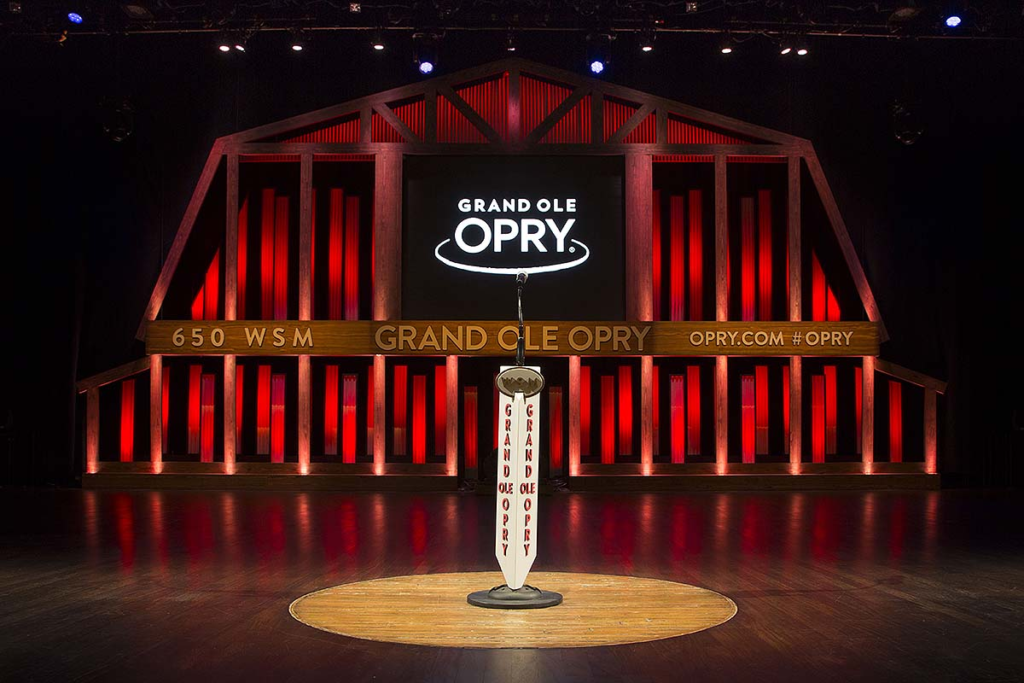
Its history cannot be recreated elsewhere. Legendary performers transformed ordinary evenings into unforgettable moments that still echo through country music history. Careers were launched, lifelong friendships were formed, and audiences witnessed performances that would become part of American musical culture. Every backstage hallway and every microphone carries memories that cannot be measured on a balance sheet.
The potential sale extends beyond the Opry House itself. The portfolio reportedly being evaluated includes the historic Ryman Auditorium, WSM Radio, Ole Red entertainment venues, Category 10, and several other recognizable country entertainment properties. Together, these brands represent a significant portion of modern country music’s identity and tourism experience.
That reality explains why so many fans feel emotional. Country music has always been built on storytelling, family traditions, and preserving heritage. The idea that one of its most treasured institutions could be part of a corporate transaction naturally raises questions about what comes next. People are not simply reacting to business news—they are responding to the possibility of change involving something deeply personal.
At the same time, ownership does not automatically determine legacy. Throughout history, treasured institutions have experienced leadership changes while preserving the traditions that made them meaningful. The responsibility ultimately falls upon whoever stewards such an iconic institution to understand that they are inheriting far more than valuable real estate. They become caretakers of generations of memories.
That responsibility is enormous. Every aspiring singer who steps onto the Opry stage dreams of joining a story much bigger than themselves. They dream of standing where legends once stood, hearing their name announced beneath the same lights, and contributing one more chapter to country music’s continuing history. Those dreams deserve protection regardless of who signs ownership documents.
Perhaps that is why this story resonates beyond Nashville. Fans understand that country music has survived changing trends, evolving technology, shifting audiences, and countless industry transformations. Through it all, the Grand Ole Opry remained a reassuring constant—a reminder that while styles may evolve, the heart of country music continues beating in the same place.
The conversations surrounding a possible sale also remind us that heritage carries responsibility. Historic venues should never be viewed solely through financial projections. Their true value lies in the memories families create there, the careers they help launch, and the traditions they preserve for future generations. Those qualities cannot be fully reflected in market valuations or investment reports.
For artists, performing at the Opry has never been just another booking on the calendar. It represents acceptance into one of music’s most respected communities. Whether it is a newcomer making a debut or a veteran celebrating decades of success, every performance adds another layer to an extraordinary legacy that has inspired audiences for generations.
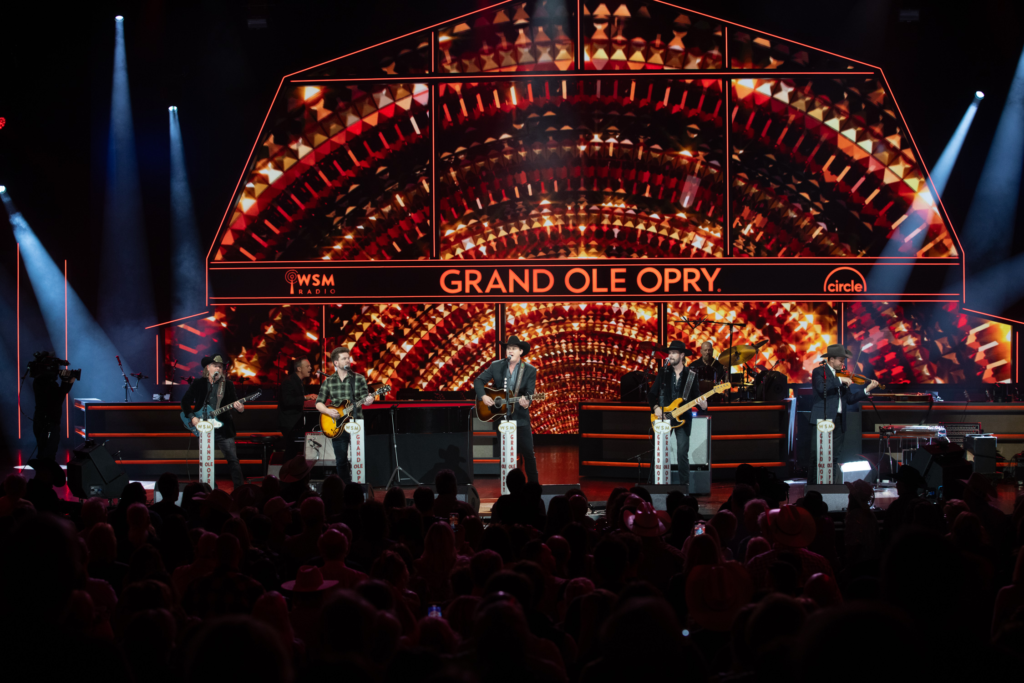
Whatever the future holds, one truth remains unchanged. The Grand Ole Opry belongs in the hearts of millions of country music fans. Its greatest strength has never been ownership papers or financial portfolios—it has been the artists who poured their souls into every song and the audiences who returned again and again because they believed in what that stage represented.
If a sale eventually happens, fans will hope the next chapter honors everything that came before it. And if no sale takes place, this conversation has already reminded everyone why the Grand Ole Opry matters so deeply. Some places are famous because people visit them. The Grand Ole Opry is legendary because, for nearly a century, it has given country music a place to call home—and that is something no price tag should ever define.