
Most artists spend their careers trying to win over an audience.
They study trends, monitor reactions, and carefully measure how their work is being received. Every performance, every song, and every public appearance becomes an opportunity to strengthen that connection. For rising stars, fan support is often viewed as the ultimate currency.
Yet Hannah Harper appears to be operating with a very different philosophy.
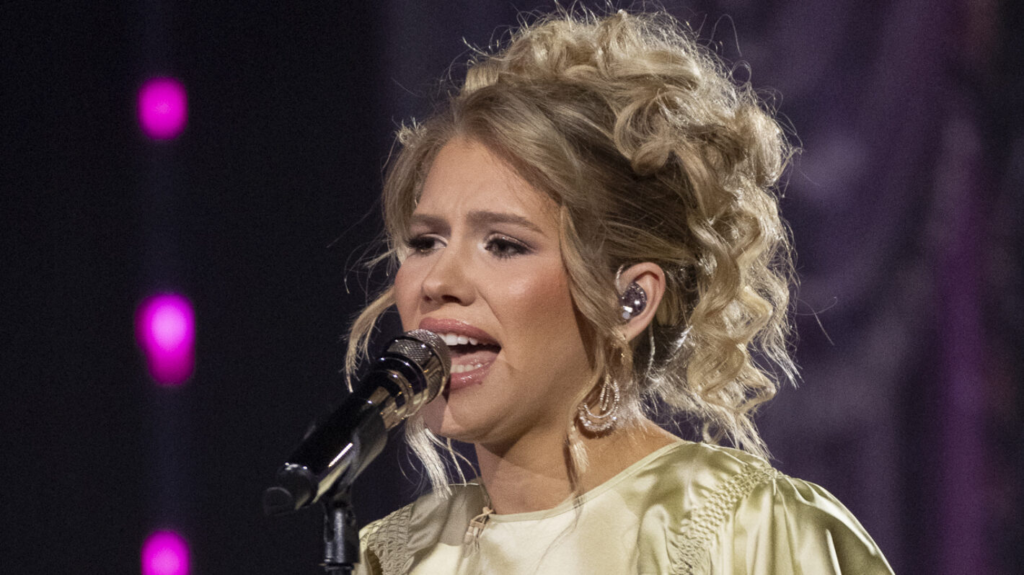
As her profile continues to grow, she has consistently emphasized values that extend beyond applause, popularity, and public approval. While she deeply appreciates her supporters, there is a growing sense that the audience she cares most about may not be the one filling venues, streaming songs, or following her online.
In many ways, her most important audience seems to be herself.
That idea may sound unusual in an entertainment industry built around external validation. Artists are constantly evaluated. Numbers matter. Reviews matter. Engagement matters. Public perception can shape opportunities overnight. It is easy for performers to become trapped in a cycle where every decision is influenced by how it will be received.
But Harper appears to be asking a different question.
Instead of focusing solely on whether people approve of her choices, she seems interested in whether she can approve of them herself. When the cameras are gone, when the interviews end, and when the spotlight fades for the evening, she still has to live with the person behind the career.
That perspective changes everything.
Many talented artists lose themselves while pursuing success. They become experts at meeting expectations but strangers to their own convictions. Over time, the pressure to satisfy everyone can become overwhelming. Every decision is scrutinized. Every mistake is amplified. Every achievement creates expectations for an even bigger achievement.
The result is often exhaustion.
Harper’s approach appears designed to avoid that trap.
Rather than building her career around public approval, she seems committed to building it around personal alignment. The goal is not simply to be successful. The goal is to remain recognizable to herself while success unfolds. That distinction may be one of the most important reasons her story resonates with so many people.
Because the truth is that most individuals face the same challenge.
Whether someone is pursuing a career, raising a family, starting a business, or chasing a dream, there comes a moment when they must decide whose opinion matters most. External encouragement is valuable, but it cannot replace internal clarity. Eventually, everyone has to answer for their own choices.
Harper’s career philosophy reflects that reality.
She often speaks about purpose, growth, faith, and authenticity. Those themes point toward a person who views success as something larger than recognition. They suggest someone who is trying to build a meaningful life rather than merely a visible one.
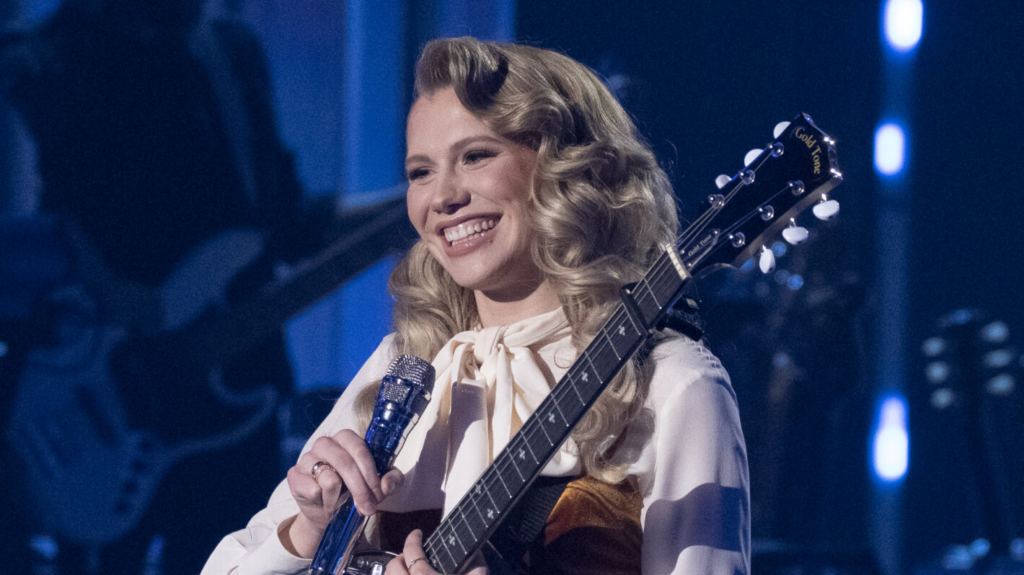
That is a powerful distinction in today’s culture.
Modern society frequently encourages people to perform their lives rather than live them. Social media rewards visibility. Headlines reward controversy. Public attention rewards whatever captures interest in the moment. In such an environment, it becomes increasingly difficult to remain grounded in personal values.
Yet groundedness appears to be exactly what Harper is protecting.
She seems to understand that public opinion can change quickly. The same crowd that celebrates someone today may move on tomorrow. Fame can be unpredictable. Trends can be temporary. If an artist builds their identity entirely around audience reactions, they risk becoming emotionally dependent on something they cannot control.
A stronger foundation comes from within.
That does not mean ignoring fans. In fact, Harper’s connection with her supporters may be strengthened by this philosophy. People are naturally drawn to individuals who appear genuine. Authenticity creates trust, and trust creates loyalty. Fans often support artists more passionately when they believe those artists are staying true to themselves.
Ironically, focusing less on public approval can sometimes create a deeper public connection.
People recognize sincerity when they see it. They can sense when someone is speaking from conviction rather than strategy. They notice when an artist’s words and actions align. Harper’s growing audience may be responding not only to her talent but also to the consistency of her character.
That consistency matters.
As careers expand, distractions multiply. New opportunities arrive. Expectations increase. The pressure to become whatever the industry demands becomes stronger. Maintaining a clear sense of identity during that process is one of the greatest challenges any performer can face.
Harper appears determined to meet that challenge head-on.
She seems less concerned with becoming the most famous person in the room and more concerned with becoming the most authentic version of herself. While that approach may not generate the fastest path to stardom, it often creates something more valuable: longevity.
Careers built on trends eventually face changing trends.
Careers built on character tend to endure.
That is why Hannah Harper’s most important audience may never be the crowd cheering from the seats, the followers watching online, or the listeners streaming her music. Those audiences matter, and they always will.
But the audience that matters most is the one she faces every morning in the mirror.
And if she can continue earning that audience’s approval, everything else may simply become a bonus.