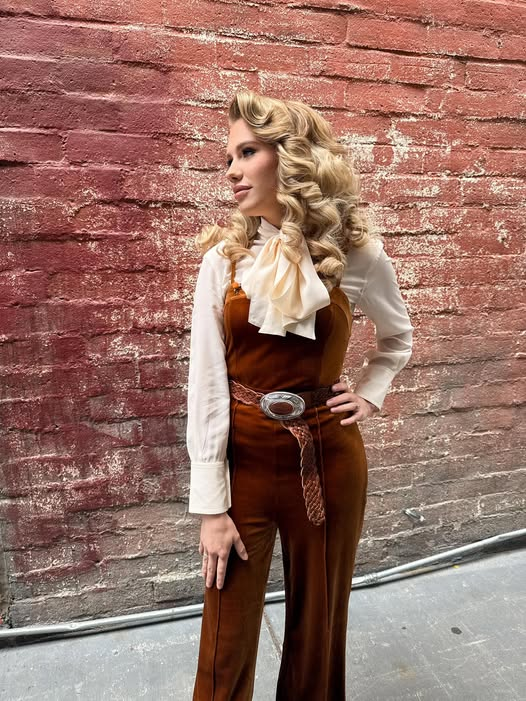
There are performances that blend into the competition, and then there are performances that instantly separate a contestant from the crowd. Hannah Harper delivered the second kind when she stepped onto the stage with a banjo in hand and turned a familiar song into a statement of identity, confidence, and artistic direction.
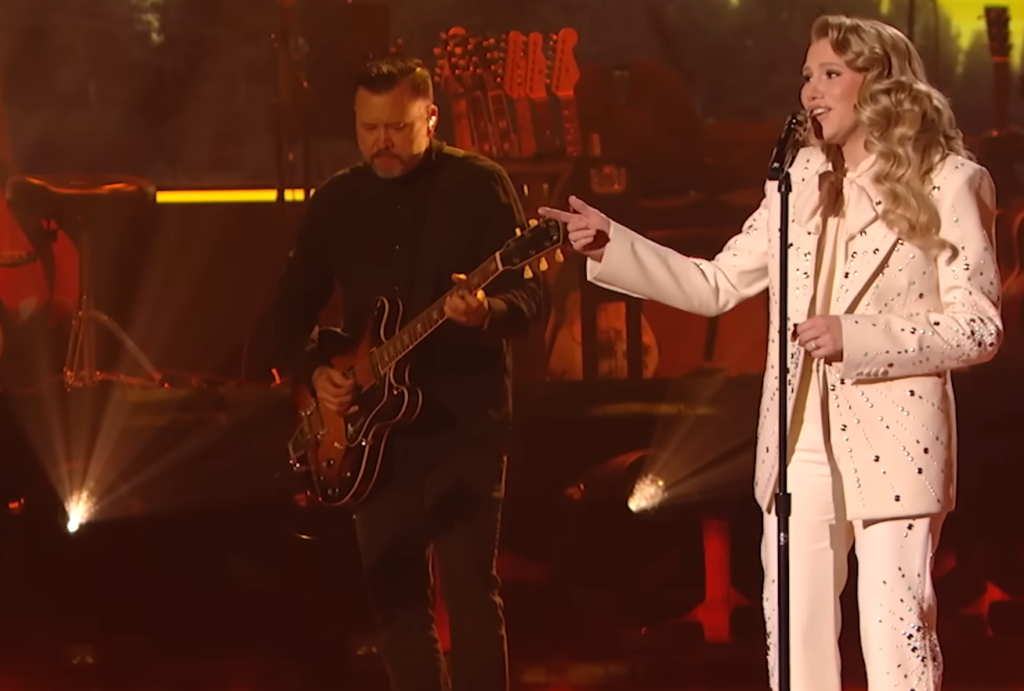
Taking on Taylor Swift’s Mean was already an interesting choice. It is a recognizable track with attitude, wit, and emotional edge. Audiences know it. Judges know it. That means expectations arrive before the first note even begins. A contestant can easily fall into imitation or rely too heavily on nostalgia.
Hannah chose a different route.
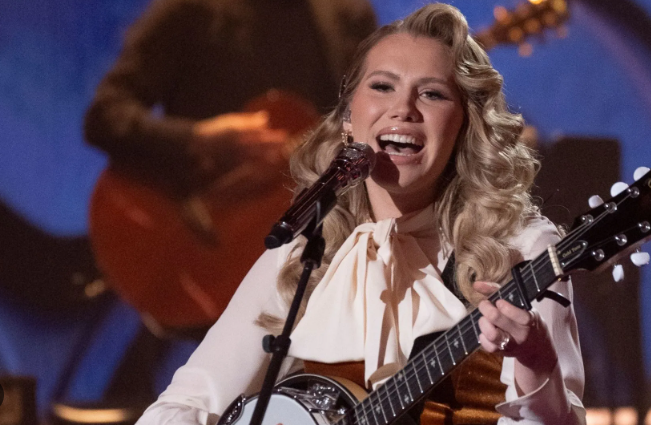
Instead of simply covering the song, she reimagined it through her own country roots. By introducing the banjo and leaning fully into a more organic arrangement, she made the performance feel less like a borrowed moment and more like an original extension of who she is as an artist.
That distinction matters.
In competition shows, many singers focus on proving range, power, or versatility. Those qualities matter, but identity often matters more in the long run. Viewers remember contestants who sound like themselves. They connect with artists who know exactly what lane they belong in. Hannah’s performance suggested she understands that truth.
From the opening moments, the banjo changed the energy in the room.
It added personality, texture, and confidence. Rather than standing center stage hoping the song would carry her, Hannah used the instrument to shape the performance on her own terms. It felt active, intentional, and rooted in authenticity. She was not adapting herself to the song—the song was adapting to her.
That is often where breakthrough moments begin.
Vocally, the performance carried a sense of control and conviction. Hannah did not need to overcomplicate the arrangement or chase dramatic flourishes. The strength came from clarity. She delivered the lyrics with attitude where needed, warmth where needed, and enough grit to make the message feel lived-in rather than theatrical.
Every line seemed more believable because it fit her voice and persona.
That is one reason song choice can be so strategic. A technically difficult ballad may impress, but a well-matched song can reveal far more. Mean allowed Hannah to showcase not only vocals, but storytelling instincts, confidence, and self-awareness. Those are qualities that often separate finalists from talented contestants.
The judges clearly noticed.
One praised her for staying true to herself, and that compliment may be more significant than it first sounds. Judges see many performers chasing trends, mimicking famous artists, or making choices designed to impress rather than connect. When they recognize authenticity, it usually means something real came through.
Then came Carrie Underwood’s reaction.
Reports suggest she delivered some of her strongest feedback for Hannah this season. That carries special weight given Carrie’s own deep understanding of country music and what it takes to build a lasting career in the genre. Praise from someone who knows the lane so intimately can feel like validation beyond one episode.
For viewers, that likely changed perception.
A contestant who earns routine compliments remains in the weekly conversation. A contestant who earns standout praise from a respected voice suddenly enters a different tier. Fans begin asking bigger questions: Is she peaking at the right time? Has she found her signature sound? Is this the version of Hannah that can go all the way?
Those questions are powerful because momentum often shifts quickly late in a season.
Contestants who spend weeks trying to prove versatility sometimes lose clarity. Contestants who suddenly lock into identity can surge. Hannah’s banjo-led performance may have done exactly that. It gave audiences something memorable and specific to attach to her name.
There is also something culturally resonant about choosing roots over polish.
In an era where many performances chase spectacle, authenticity can feel refreshing. The banjo was more than an instrument choice—it symbolized confidence in where she comes from and what kind of artist she wants to be. That confidence often reaches audiences more deeply than perfection ever could.
If Hannah continues performing from that space, she becomes increasingly dangerous in the competition.
Because once a contestant stops trying to be everything and starts becoming fully themselves, performances tend to land harder. Decisions become sharper. Stage presence becomes freer. Audiences feel the difference immediately.
Whether this becomes the defining turning point of her journey remains to be seen. But one thing already feels clear: Hannah Harper did more than sing Mean that night.
She clarified who she is.
And in competitions like this, that can change everything.