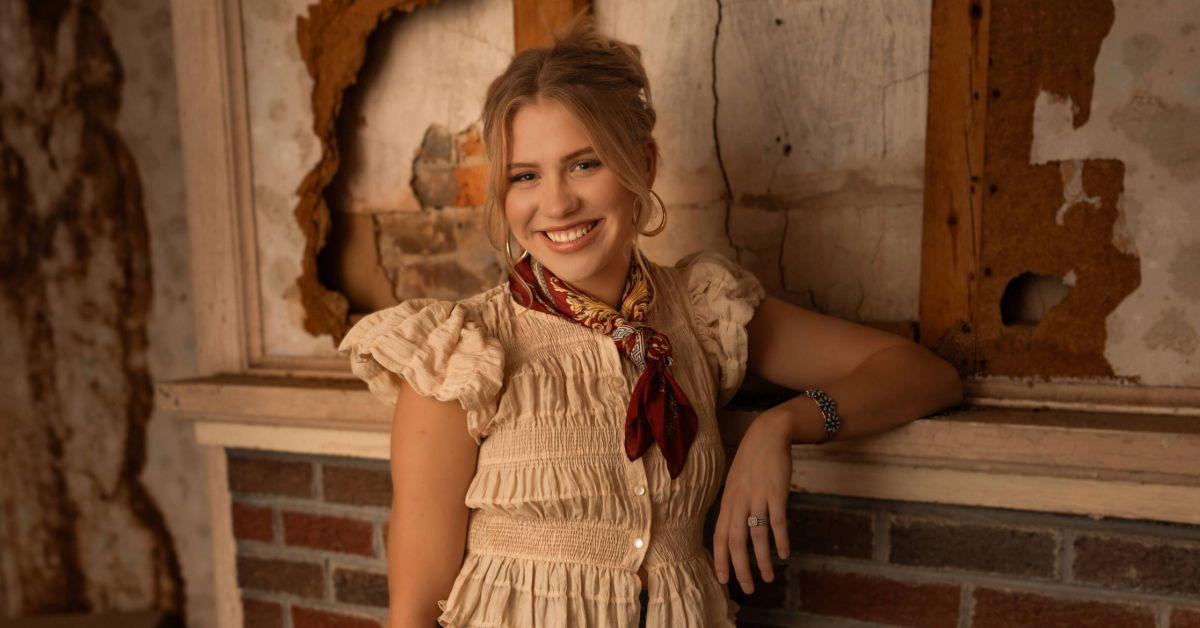
“Hannah Harper Isn’t Joining A Tour… She’s Entering Country Music’s Real-Life Mom Era”
Country music has always been built on truth, but a new kind of truth is now rising to the surface—one that does not separate the artist from the life she lives offstage. For Hannah Harper, this moment is not just about stepping into a tour schedule, but stepping into a cultural shift that is redefining what it means to be a female country artist today.
For decades, women in music were often expected to present a polished version of themselves, where personal struggles and family life stayed hidden behind the curtain. But that narrative is slowly changing. Today, authenticity is no longer a risk—it is becoming the very foundation of connection between artists and audiences.
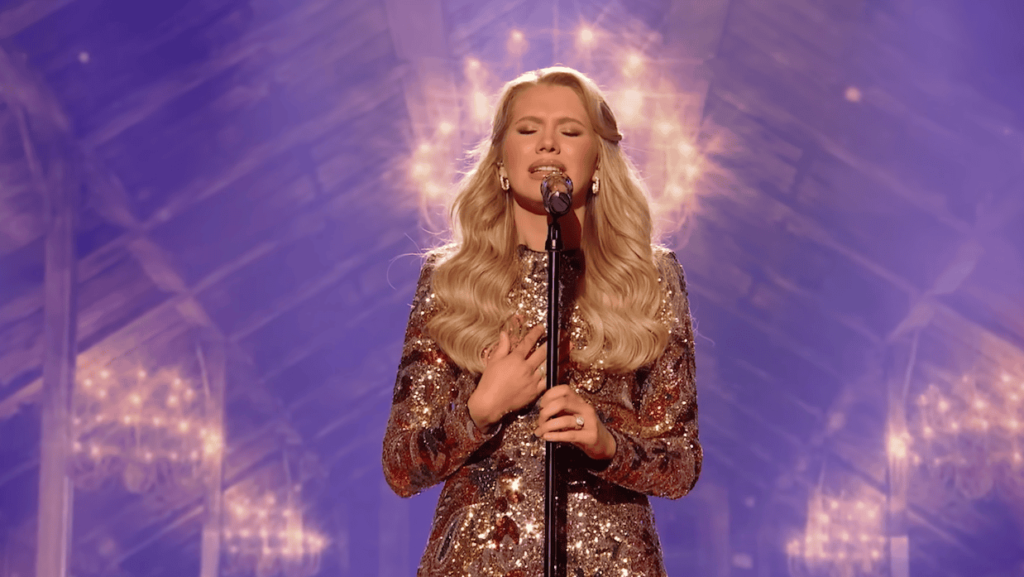
Hannah Harper represents this shift in a deeply visible way. Her journey is not framed around separation between motherhood and career, but around coexistence. The stage, the studio, and home life are no longer competing worlds—they are overlapping realities that shape her identity as an artist.
This evolution reflects a broader movement in country music, where female voices are increasingly embracing openness about family life, emotional strain, and the everyday complexity of raising children while pursuing demanding careers. It is no longer about hiding the mess; it is about letting it exist alongside the music.
Fans are responding to this change with surprising intensity. Instead of expecting perfection, audiences are beginning to value honesty. A tired voice, a real story, or a moment of vulnerability now carries more emotional weight than a flawlessly staged performance ever could.
In Hannah’s case, this “real-life mom era” is not a marketing angle—it is a lived experience. It means navigating studio sessions alongside parenting duties, balancing travel with responsibility, and finding rhythm in a life that refuses to slow down for convenience.
There is something deeply human about this shift. It reflects the reality many working parents already know: that ambition does not pause when life becomes complicated. Instead, it adapts, stretches, and reshapes itself around the people who matter most.
Country music, at its core, has always thrived on storytelling rooted in lived experience. What is changing now is not the genre’s foundation, but the openness with which those stories are told. Women like Hannah Harper are no longer separating their identities—they are blending them into something more complete.
This shift also challenges long-standing industry expectations about image, availability, and emotional presentation. The idea that artists must compartmentalize their lives is slowly giving way to a more honest reality where motherhood, exhaustion, and artistry can exist in the same breath.
For Hannah, this moment is not about choosing between roles but redefining them. She is not stepping away from music to become a mother, nor setting motherhood aside to be an artist. She is living in the intersection of both, where neither identity is diminished.
And as country music continues to evolve, this intersection may become its most defining space. The genre that once celebrated heartbreak, struggle, and resilience is now expanding to include something equally powerful: the reality of women living those truths in real time.
The most striking part of this transformation is not just what audiences hear, but what they begin to understand. Behind every song is a life that does not pause for applause, and behind every performance is a story far more complex than what appears on stage.
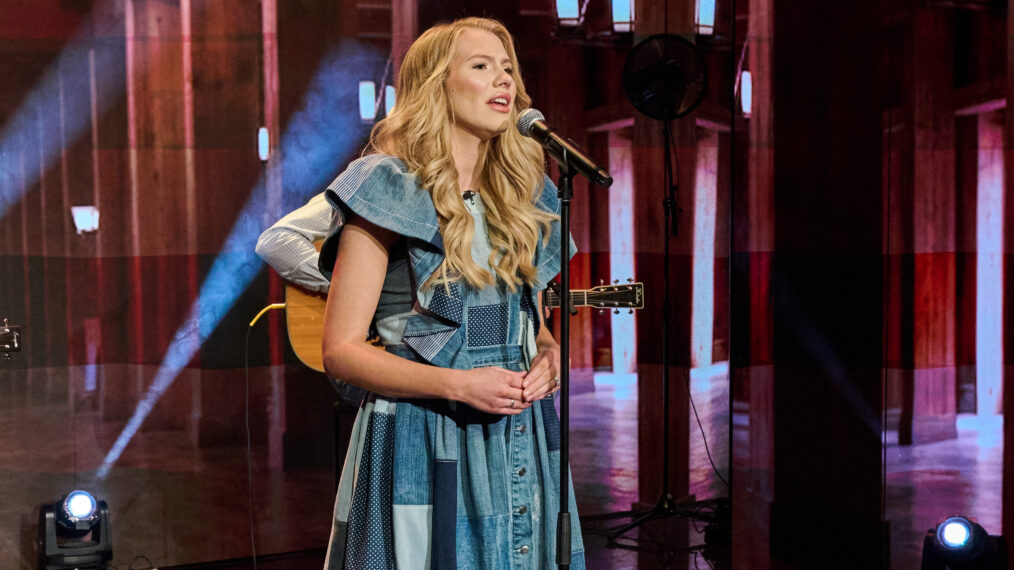
Hannah Harper’s journey signals a quiet but meaningful shift in the industry—one where honesty is no longer hidden behind metaphor, but spoken directly through lived experience. It is a reminder that music is not separate from life; it is shaped by it.
And as this new era unfolds, one question lingers beneath the surface of every stage she steps onto: how will country music continue to change when its most powerful stories are no longer just written—but lived in full view of the world?