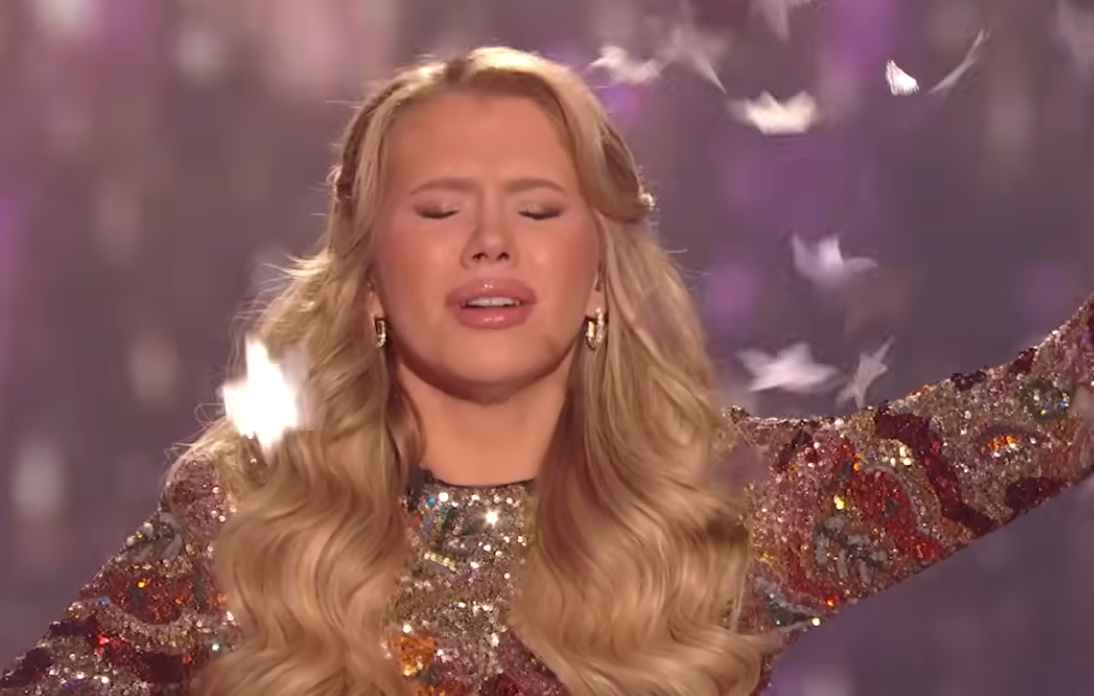
For twenty-one years, the crown belonged to everyone except a female country artist.
Then Hannah Harper walked onto the American Idol stage and changed everything.
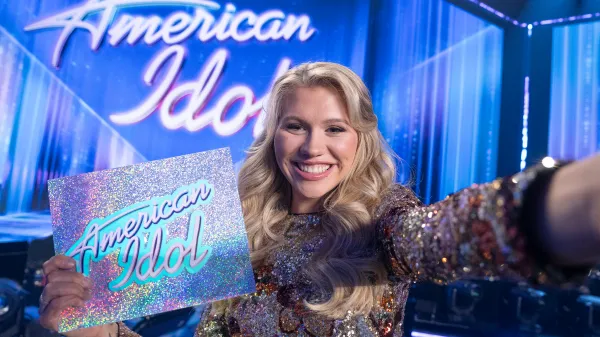
The Ozarks native officially became the first female country singer to win American Idol since Carrie Underwood captured America’s heart back in 2005. And somehow, that fact alone still doesn’t fully explain the emotion surrounding her victory.
Because this was never just about winning a television show.
This felt like the return of something country music fans had been missing for years.
From the very beginning of Season 24, Hannah carried herself differently. She never chased flashy moments or overproduced performances. Instead, she leaned into honesty — the kind that cannot be taught inside vocal lessons or television rehearsals.
Every performance felt lived-in.
Every lyric sounded personal.
And every time she stepped onto that stage, viewers felt like they were seeing the same woman she had always been long before America knew her name.
That authenticity became her greatest weapon.
Week after week, Hannah reminded audiences why country music connects so deeply when it is rooted in truth. Whether she was singing emotional ballads, faith-filled performances, or classic country storytelling songs, there was always something unmistakably real about her presence.
Fans did not just watch Hannah Harper.
They trusted her.
And trust is rare in modern entertainment.
What makes the story even more powerful is where she comes from. The Ozarks are not usually portrayed as the center of mainstream entertainment headlines. Yet Hannah carried her hometown spirit proudly throughout the entire competition.
She never tried to sound manufactured.
She never abandoned her roots.
She never traded sincerity for attention.
Instead, she brought the Ozarks with her onto one of the biggest stages in television.
That is exactly why millions of viewers connected to her journey.
For older country fans, Hannah’s rise felt nostalgic — a reminder of the era when storytelling mattered more than spectacle. For younger audiences, she became proof that vulnerability can still overpower perfection in a competition built on massive performances and viral moments.
And then came the finale.
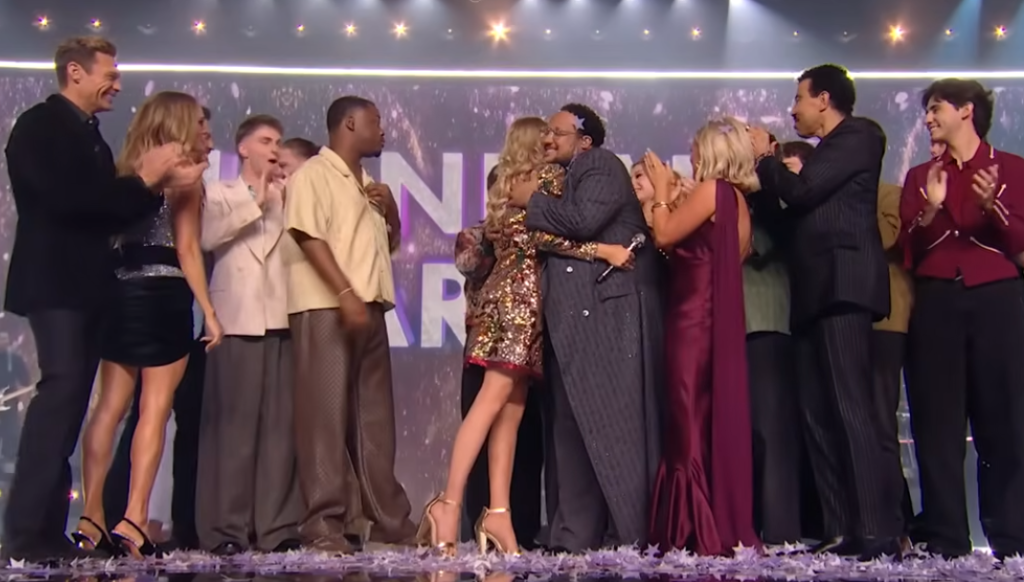
The atmosphere inside the arena shifted the second Hannah began singing. By the end of the night, even the judges looked emotional watching the magnitude of the moment unfold in real time.
Because everyone understood what they were witnessing.
This was not simply another Idol winner announcement.
This was the moment a new generation of country music officially found its voice again.
The comparisons to Carrie Underwood began flooding social media almost instantly. But fans quickly pointed out something important — Hannah Harper was never trying to become the next Carrie.
She became the first Hannah Harper.
And that may be the biggest reason this victory feels so significant.
In a world where artists often feel pressured to reinvent themselves for attention, Hannah won by remaining exactly who she was from the beginning: a woman from the Ozarks with a powerful voice, deep convictions, and the ability to make millions of people feel every word she sang.
That kind of connection cannot be manufactured.
It can only be felt.
And now, after twenty-one long years, American Idol finally has another female country champion — one whose story already feels bigger than the competition itself.