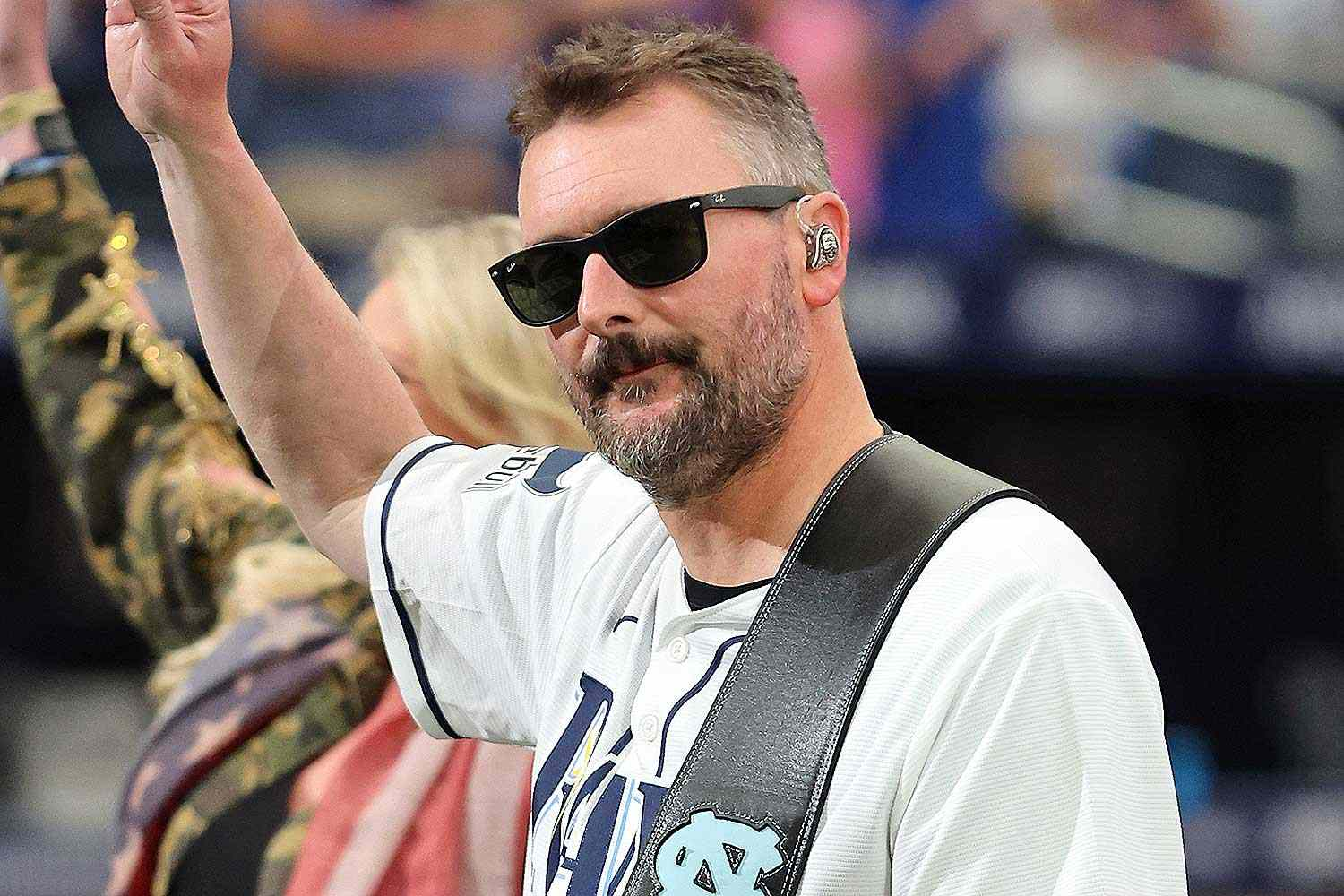
“DON’T LET THEM TOUCH YOUR STRING.”
What was meant to be a standard graduation ceremony at the University of North Carolina quickly turned into something students will likely remember for the rest of their lives after Eric Church stepped up for the 2026 commencement speech and changed the tone of the entire stadium in an instant.
At first, everything felt familiar—caps, gowns, polite applause, and the predictable rhythm of an academic farewell. But then Church did something unexpected. He brought out his guitar, and the energy inside the arena shifted before he even played a note.
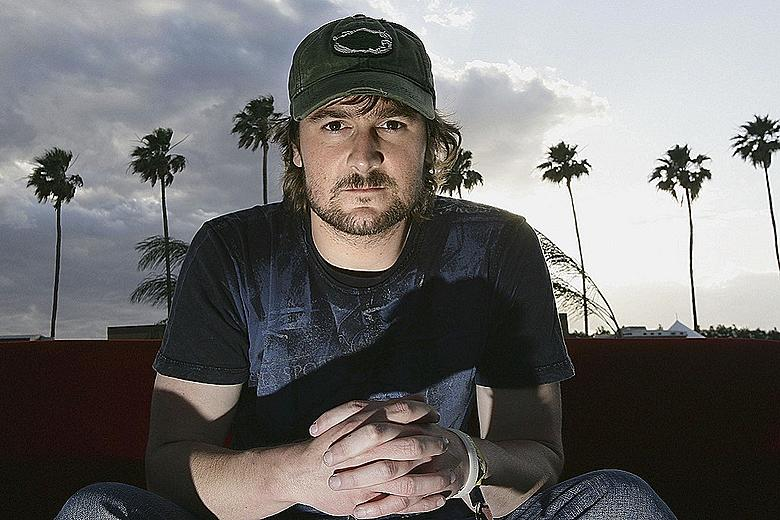
The crowd reportedly went quiet as he looked across thousands of graduates and began speaking through both words and music. What followed was not a traditional speech, but a series of raw, unfiltered reflections about faith, family, ambition, marriage, and the quiet dangers of living under constant social media pressure.
Each lesson felt less like advice and more like lived experience—told without polish, without performance, and without the distance that often separates celebrities from the people listening to them.
As he moved deeper into his message, one particular moment near the end allegedly struck the audience with unexpected force. The tone changed. The room softened. And according to attendees, some graduates were visibly emotional as Church delivered a brutally honest reflection about life choices and personal direction.
It was not framed as inspiration in the usual sense. It felt heavier than that—like a warning, a confession, and a reminder all at once. The simplicity of a man with a guitar became the most powerful part of the entire ceremony.
When the speech finally transitioned into music, the shift was seamless. Church began performing “Carolina,” and the stadium that had already been emotionally charged seemed to settle into a shared silence that felt almost reverent.
There were no distractions, no spectacle, no attempt to overwhelm the moment with production. Just a song, a voice, and an audience of graduates standing at the edge of their next chapter.
Many later described the experience as more personal than expected from a commencement ceremony. Instead of feeling like a closing event, it felt like a turning point—something that forced reflection rather than celebration alone.
What made the moment resonate so deeply was its unpredictability. Graduations are usually structured, rehearsed, and emotionally controlled. This one reportedly broke that pattern entirely, replacing formality with honesty.
Even after the final note faded, the atmosphere inside Chapel Hill did not immediately return to normal. Students lingered in silence, as if processing something that went beyond the ceremony itself.
And perhaps that is why this moment is now being talked about so widely—not because it was loud or dramatic, but because it wasn’t. It was simple, direct, and uncomfortably real.
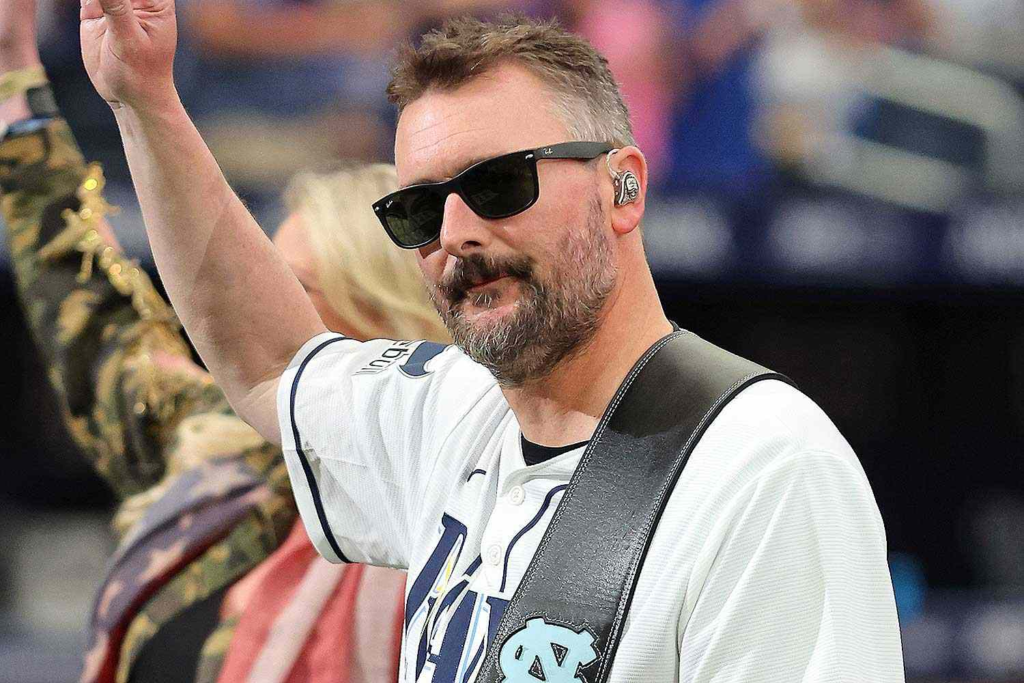
As the crowd slowly dispersed and the stadium emptied, one line from Church’s message continued to echo in conversations and online clips, leaving many to wonder what it truly meant in the context of everything he had shared.
And long after the caps were tossed and the applause faded, the question remained hanging in the air: when life finally reaches its next chapter, what does it really mean to protect your “string”—and who, exactly, should you trust not to touch it?