When Eric Church stepped onto the stage at UNC’s commencement ceremony, most graduates expected the usual celebrity speech filled with polished motivation and safe life advice. Instead, they witnessed something far more powerful — a brutally honest reflection on identity, pressure, purpose, and the dangerous modern obsession with becoming someone else. By the time Church finished speaking, the atmosphere inside the arena had completely transformed from celebratory to deeply emotional.
The country star immediately captured attention with a line that now appears to be echoing across the internet: “The world does not need another cover song… it needs an original.” The phrase landed with unusual force, not because it sounded rehearsed, but because it felt painfully relevant. In a generation shaped by algorithms, trends, filters, and endless comparisons online, Church’s message struck directly at the fear many young people quietly carry — the fear of losing themselves while trying to fit in.
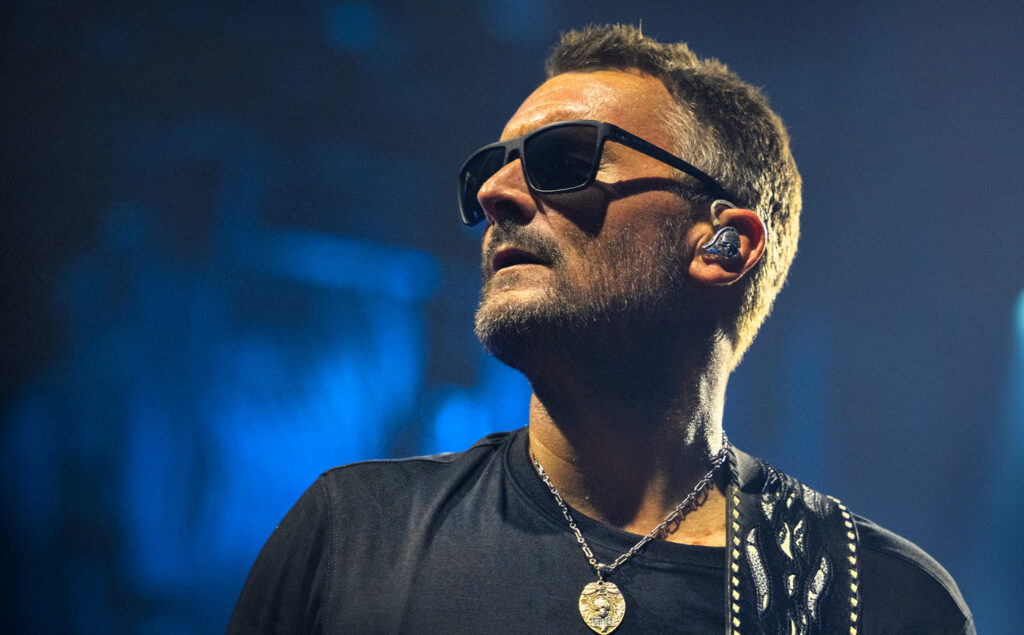
As students listened, Church spoke less like a celebrity and more like someone who genuinely understood struggle. He discussed the pressure to succeed, the temptation to imitate others, and the exhausting cycle of chasing approval in a world where everyone seems to be performing for attention. His words carried the kind of weight that only comes from lived experience, which is likely why the room stayed completely locked into every sentence.
Rather than turning the speech into a lecture, Church grounded it in humanity. He spoke about family, failure, and the moments in life that quietly shape people long before success arrives. According to students who attended the ceremony, there was something unusually raw about the way he delivered every thought. He wasn’t trying to sound inspiring — he simply sounded real. That authenticity became the emotional engine behind the speech’s viral impact.
What makes the moment even more fascinating is how unexpected it was. Commencement speeches from celebrities often fade away within hours, reduced to short motivational clips online before disappearing into the endless scroll of social media. Church’s speech did the opposite. Instead of fading, it intensified. Millions began replaying clips, sharing quotes, and discussing how deeply the message resonated with their own lives.
One reason the speech exploded online is because it tapped into a universal exhaustion many people feel today. Social media has created a culture where individuality is often sacrificed for validation. Trends move at impossible speed, identities become curated performances, and originality sometimes feels risky. Church challenged that reality directly. His message reminded listeners that authenticity may be harder, lonelier, and slower — but it is ultimately far more meaningful.
As the speech progressed, there was a visible shift in the crowd’s energy. Graduates who initially laughed and applauded began listening in near silence. Parents watched emotionally from the stands. Faculty members appeared equally captivated. The arena no longer felt like a graduation ceremony; it felt like thousands of people collectively confronting questions they had been avoiding for years.
Then came the moment students say changed everything.
Near the end of the speech, Church delivered a deeply personal line that instantly altered the emotional temperature of the room. Witnesses described the atmosphere becoming noticeably heavier, quieter, and more reflective within seconds. While clips circulating online continue building anticipation around that exact moment, many viewers say the power of it lies less in the wording itself and more in the vulnerability behind it. It was the kind of honesty people rarely expect from public figures, especially during major public events.
That emotional pivot is precisely why the speech continues gaining momentum online. Viewers are not just watching a celebrity speak — they are watching someone lower the shield entirely. In an era where public appearances are often overly polished and carefully managed, Church’s willingness to sound imperfect made the message feel even stronger. Ironically, by rejecting performance, he delivered one of the most unforgettable performances of the year.
Fans across social media have already begun calling it one of the most impactful commencement speeches in recent memory. Some compare its emotional honesty to legendary speeches that transcended entertainment entirely. Others simply describe it as “needed.” That reaction reveals something important: people are hungry for sincerity again. Audiences no longer connect deeply with perfection; they connect with truth.
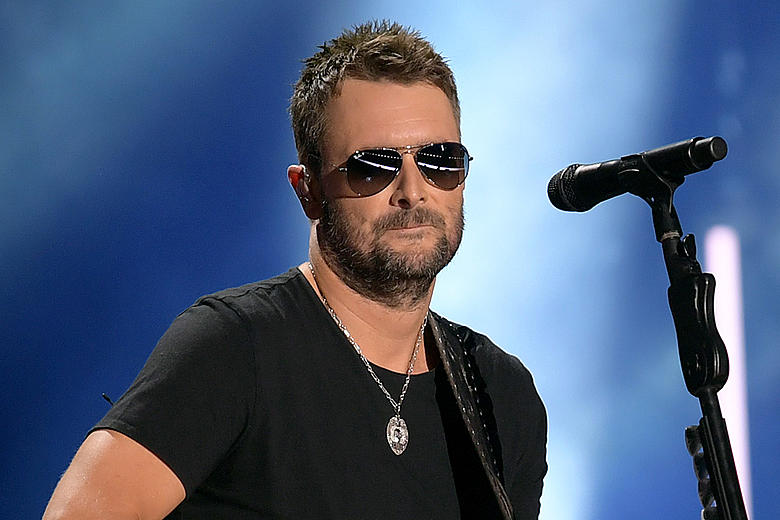
For Eric Church, the viral moment may ultimately become larger than music itself. While he has long been respected for his songwriting and individuality within country music, this speech introduced another side of him to millions — thoughtful, vulnerable, reflective, and deeply aware of the emotional struggles shaping modern life. It reminded people that sometimes the most powerful voices are not the loudest ones, but the ones willing to say what others avoid.
By the end of the ceremony, graduates left with more than diplomas. They left carrying a message many will likely remember for decades: stop trying to become a copy of what the world rewards. Become something real instead. And judging by the millions replaying the clip online, Eric Church may have delivered far more than a commencement speech that day — he may have delivered a cultural wake-up call disguised as advice.