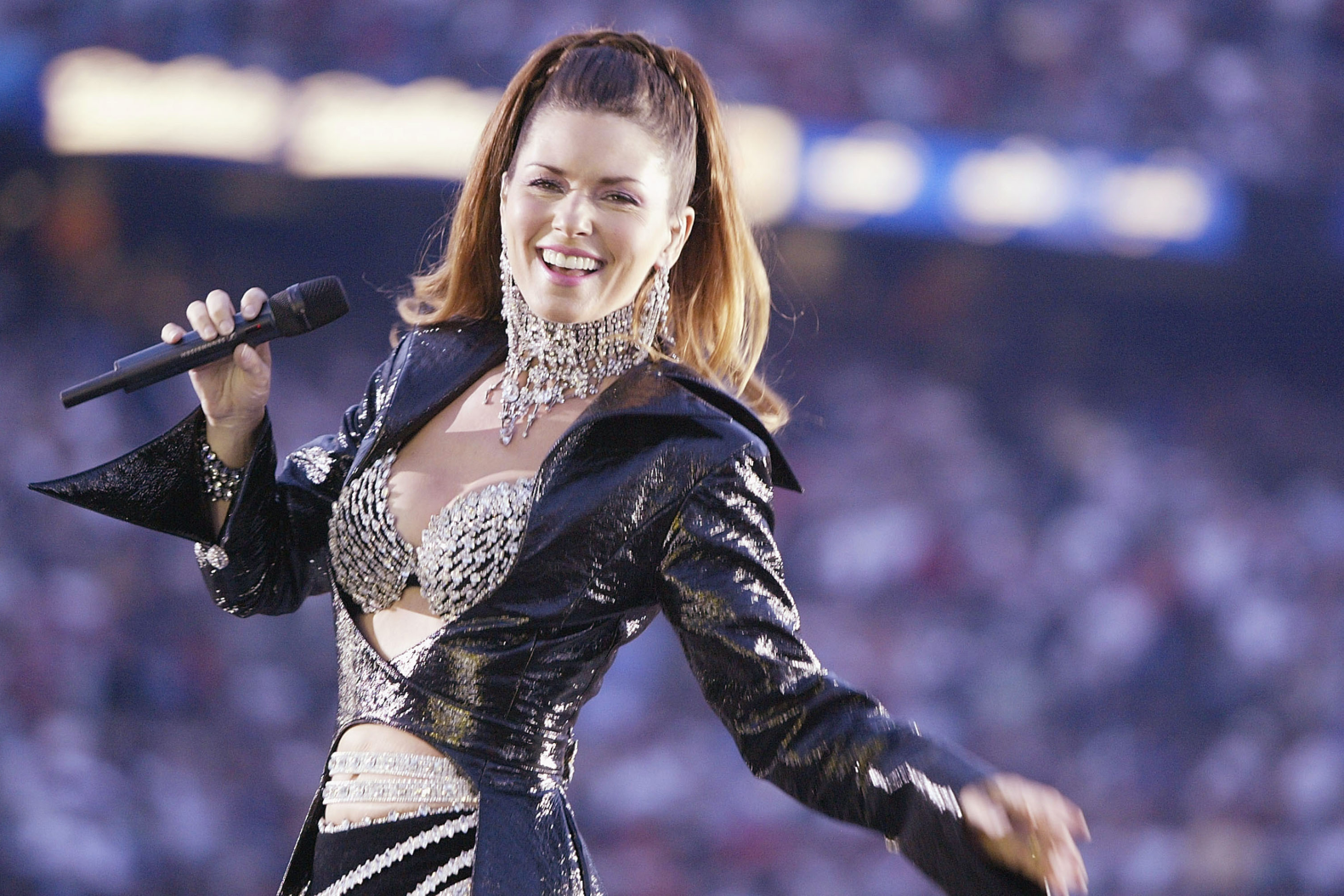
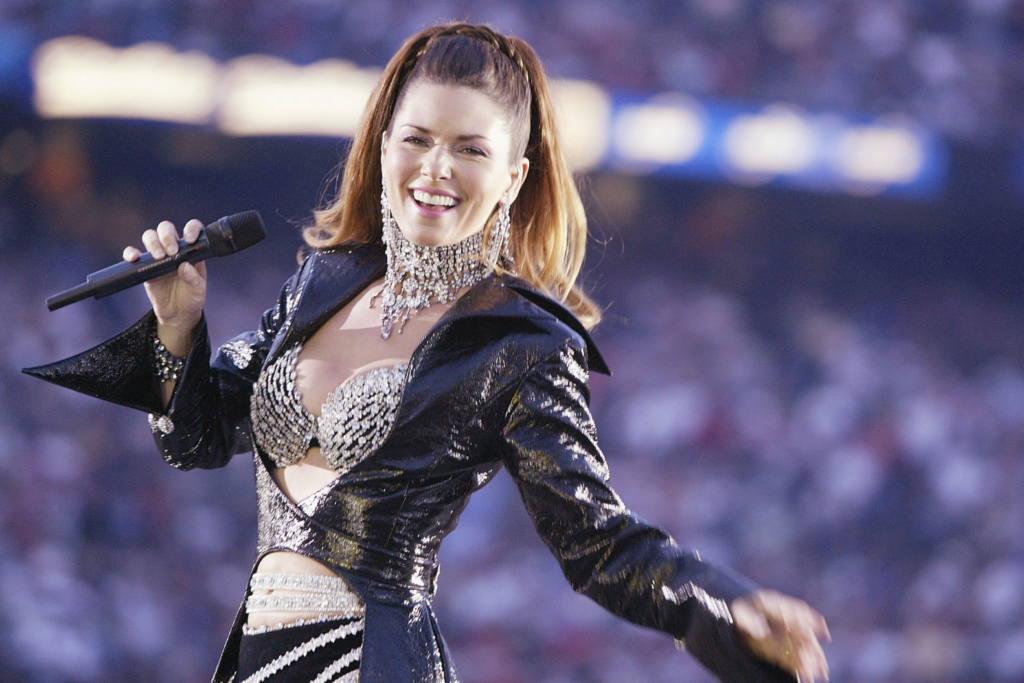
There are certain songs that seem untouchable. Songs so deeply woven into people’s memories that even the thought of someone else singing them feels almost impossible. Shania Twain’s “You’re Still The One” belongs in that category. For decades, it has been the soundtrack of weddings, anniversaries, and quiet moments between people who have chosen each other through life’s ups and downs.
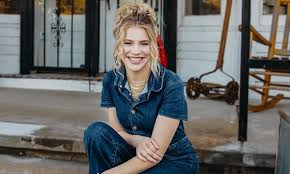
That is why so many people were curious when American Idol winner Hannah Harper decided to perform the beloved classic as a tribute to her husband. What began as a simple gesture of love quickly turned into something much bigger. Within hours, listeners found themselves divided, and a passionate debate began spreading across social media.
Some fans immediately defended the original. They argued that Shania Twain’s version carries a kind of magic that can never be recreated. After all, the song became iconic because of the emotion, honesty, and timeless charm Twain poured into every line. For many listeners, those memories are inseparable from the song itself.
Yet others heard something completely different in Hannah Harper’s performance.
Instead of trying to imitate the original, Hannah approached the song from a deeply personal place. Her voice didn’t chase perfection. It chased feeling. Every lyric sounded less like a performance and more like a private conversation that listeners had somehow been invited to witness.
That vulnerability is what has many fans talking.
While Shania’s version feels polished and enduring, Hannah’s interpretation feels intimate and immediate. There is a warmth in her delivery that makes the lyrics feel newly written. It is as though she isn’t singing about love in general—she is singing about her love, her journey, and her own story. That distinction has resonated with thousands of listeners.
Perhaps that is why comparisons between the two versions have become so difficult. They are accomplishing different things. One is a legendary recording that has stood the test of time. The other is a heartfelt tribute that breathes fresh emotion into familiar words. Comparing them feels less like comparing singers and more like comparing two different photographs taken years apart of the same beautiful moment.
The discussion has also revealed something fascinating about music itself. Great songs survive because they can live many lives. A powerful composition does not belong to a single moment forever. Instead, it evolves as new voices bring new experiences to it. Every generation discovers something different hidden inside the same lyrics.
For Hannah Harper, that may be the greatest compliment of all. The fact that people are even debating her version alongside such a beloved original speaks volumes about the emotional impact of her performance. Whether listeners ultimately prefer her rendition or Shania Twain’s classic, they are still talking about it long after the final note faded away.
And maybe that is the real story here.
This was never supposed to be a competition. It was meant to be a love song dedicated to one person. Yet somehow, that simple act of affection reminded thousands of people why music matters. It reminded them of the people they love, the promises they have kept, and the memories tied to songs that never leave their hearts.
So, did Hannah sing it better?
The answer depends entirely on what you listen for. If you are searching for the legendary version that defined a generation, Shania Twain remains unmatched. But if you are searching for raw emotion, tenderness, and a fresh perspective on a timeless classic, Hannah Harper may have given listeners something they never expected.
One thing is certain: a song written decades ago is once again at the center of a conversation, proving that true love songs never grow old. They simply find new voices to carry them forward.