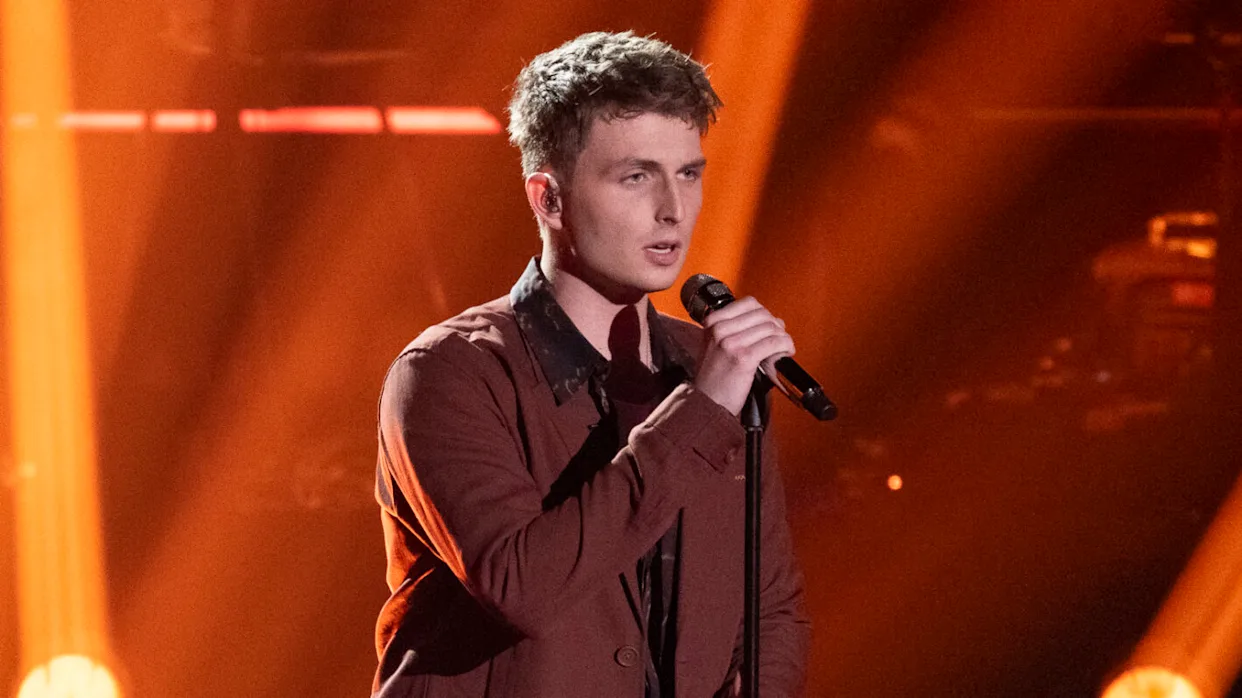
Some performances entertain. Some impress. And then there are rare moments when a stage stops feeling like a stage at all and becomes a window into someone’s heart. That is what happened when Braden Rumfelt stepped into Disney Night with Remember Me from Coco. What began as another themed performance quickly transformed into one of the evening’s most deeply felt moments.
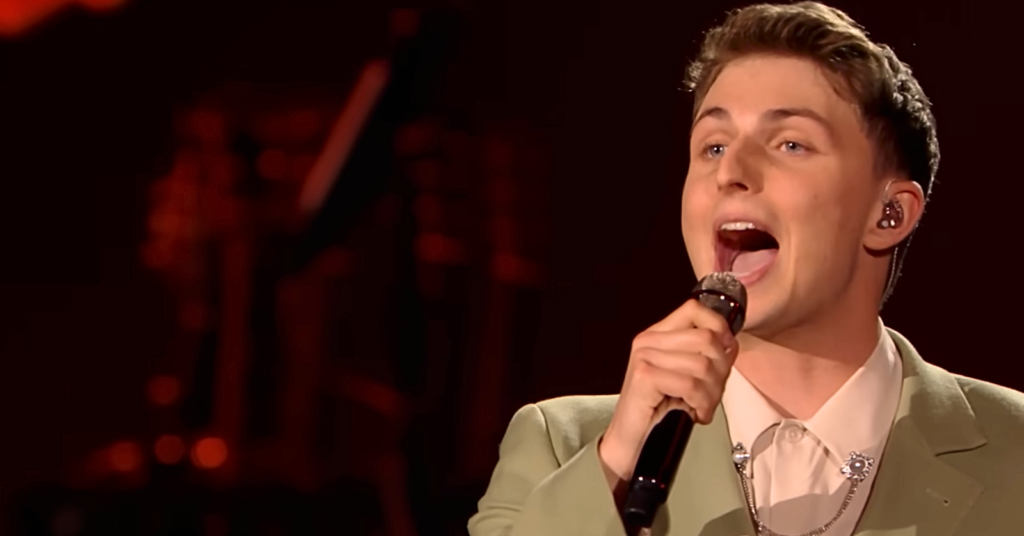
From the opening seconds, the atmosphere carried a sense of warmth and wonder. Remember Me is already a song wrapped in emotion, memory, and love. It comes with a legacy that audiences instantly recognize. Most contestants would approach it with caution, hoping to honor the original feeling while still delivering a strong vocal. Braden chose something more difficult. He chose to live inside the song.
At first, everything seemed polished and beautifully controlled. The melody moved gently, and his voice carried the tenderness the song demands. There was a fairytale quality to the opening moments, the kind of softness Disney Night is designed to celebrate. The audience settled in, expecting a heartfelt rendition of a beloved classic.
Then something changed.
Mid-performance, there was a brief pause. It lasted only a moment, but it carried the weight of much more. A flicker crossed his expression—something vulnerable, something unguarded. It looked as though a deeper emotion had suddenly surfaced and nearly interrupted the performance altogether. In live television, seconds can pass unnoticed. But this second was impossible to ignore.
The room felt it immediately.
Audiences are remarkably sensitive to authenticity. They know when something is polished, and they know when something is real. In that instant, Braden Rumfelt’s performance moved beyond preparation and entered truth. It no longer felt like a contestant singing a Disney song. It felt like a person wrestling with emotion in front of everyone—and deciding not to run from it.
Then he pushed through.
That decision is what made the moment unforgettable. Anyone can continue singing after a missed cue or technical slip. But continuing after emotion nearly overtakes you is different. It requires courage, composure, and honesty all at once. Braden did not retreat into technique. He leaned forward with even more feeling, allowing the vulnerability to deepen the rest of the performance.

The room went completely still.
Silence in a live audience can mean many things, but this was the kind performers dream about. It was total attention. No distractions. No movement. Just people watching someone reveal something true through music. Those moments are rare because they cannot be manufactured. They happen when emotion arrives unscripted and everyone present recognizes it at the same time.
Even Jennifer Hudson was visibly drawn into it.
As someone who had seen Braden’s struggles in rehearsal, she understood the road leading to that stage better than most viewers could. That perspective made her reaction even more meaningful. She was not merely watching a polished final product. She was witnessing someone carry private difficulty into a public triumph. Sometimes mentors and seasoned artists recognize courage faster than anyone else in the room.
What made the performance resonate so strongly was not perfection. It was humanity.
Entertainment often celebrates flawlessness—clean notes, seamless execution, rehearsed confidence. But audiences connect most deeply when they see themselves reflected in a performer’s struggle. Braden’s moment reminded viewers that strength does not always look like control. Sometimes it looks like trembling, pausing, and still choosing to continue.
That is why fans responded so quickly online and in conversation afterward. Many described it as more than a song because that is exactly what it became. It was about memory, resilience, and the emotions people carry quietly until music gives them somewhere to go. Everyone watching may have interpreted it differently, but nearly everyone felt something.
There is also poetic meaning in the song choice itself. Remember Me is about connection that endures, love that remains present even through absence and pain. When Braden’s visible emotion surfaced mid-performance, those themes suddenly felt less theoretical and more lived. The lyrics seemed to stop being lyrics. They became personal truth.
Great competition-show moments often come from technical brilliance, but legendary ones come from emotional honesty. Years later, people may forget rankings, scores, or weekly themes. What they remember are the moments when a contestant stopped seeming like a contestant and became an artist in front of their eyes. Braden Rumfelt gave audiences exactly that kind of memory.
It also revealed something important about his growth. A performer can be trained to hit notes, refine movement, and control breath. But the ability to stand in vulnerability without collapsing—that comes from somewhere deeper. It suggests maturity, instinct, and an emerging understanding of what artistry really is.
By the final note, applause was almost secondary. The real impact had already happened in the silence before it. People were not clapping simply because he finished well. They were clapping because they had witnessed something brave.
Braden Rumfelt entered Disney Night with a beloved song. He left it with something more valuable: a moment people believed.
And in an industry built on performance, belief is everything.