Country music has always been rooted in storytelling, but sometimes the most important stories happen away from the stage. Brad Paisley recently reminded fans of that reality by once again speaking publicly about a proposed data center planned near the Nashville Zoo. His comments have sparked widespread discussion, not simply because of who he is, but because they touch on larger questions about technology, community, creativity, and who gets a voice when major decisions are made.
The proposal has already drawn significant public attention. Hundreds of thousands of people have signed a petition opposing the project, reflecting concerns from residents, conservation supporters, and others who believe the development could have lasting effects on the surrounding area. While opinions remain divided, the conversation has grown far beyond a local zoning issue.
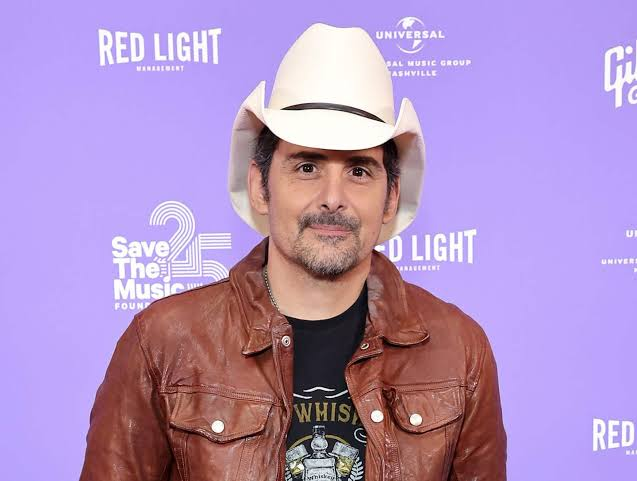
Brad Paisley has become one of the most recognizable public voices in that discussion.
In a recent social media video, the country star argued that the issue is about more than construction. He urged supporters not to assume the conversation is over simply because the petition has grown. Instead, he encouraged continued public engagement, emphasizing that decisions affecting communities deserve careful consideration.
One part of his message attracted particular attention.
Paisley connected the proposed development to a broader debate surrounding artificial intelligence and creative work. He expressed concern that AI systems use creators’ intellectual property without permission and argued that this trend is affecting songwriters, musicians, and others working in creative industries. In his view, both situations raise similar questions about consent and whether those most affected have been properly consulted.
His remarks quickly spread across social media because they linked two conversations that are often discussed separately.
Artificial intelligence has become one of the most debated technologies in the entertainment world. Many artists welcome AI as a creative tool capable of improving production, generating ideas, or increasing efficiency. Others worry about copyright, compensation, ownership, and the future of creative professions. Paisley added his perspective to that ongoing conversation by highlighting concerns shared by many creators about how their work is used.
At the same time, the proposed data center has generated discussion among community members for different reasons.
Supporters of projects like these often point to economic growth, technological infrastructure, job creation, and future investment. Opponents, meanwhile, frequently focus on environmental impacts, neighborhood character, wildlife, traffic, energy use, and community consultation. Those competing priorities make projects like this especially complicated because multiple legitimate interests must be weighed together.
Paisley chose to frame the issue around participation.
Rather than focusing exclusively on technology itself, he emphasized the importance of involving people who will live with the consequences of major decisions. His message suggested that communities deserve meaningful opportunities to be heard before significant developments move forward. Whether discussing creative rights or neighborhood planning, he returned repeatedly to the idea that those affected should not be left out of the conversation.
That perspective reflects something country music has long valued.
Many of the genre’s most enduring songs celebrate hometowns, family traditions, local communities, and the people who give places their identity. Throughout his own career, Brad Paisley has often written about everyday life, small-town values, and the importance of staying connected to ordinary people. It is perhaps unsurprising that he would approach this issue through a similar lens.
His comments have also encouraged broader public discussion beyond Nashville.
The rapid growth of artificial intelligence, cloud computing, and digital infrastructure means communities across the country are facing similar questions. How should technological progress be balanced with environmental concerns? How can innovation continue while respecting neighborhoods and natural spaces? What responsibilities do companies have toward the people living nearby? These questions extend far beyond a single construction proposal.
Likewise, conversations about AI continue evolving within the music industry.
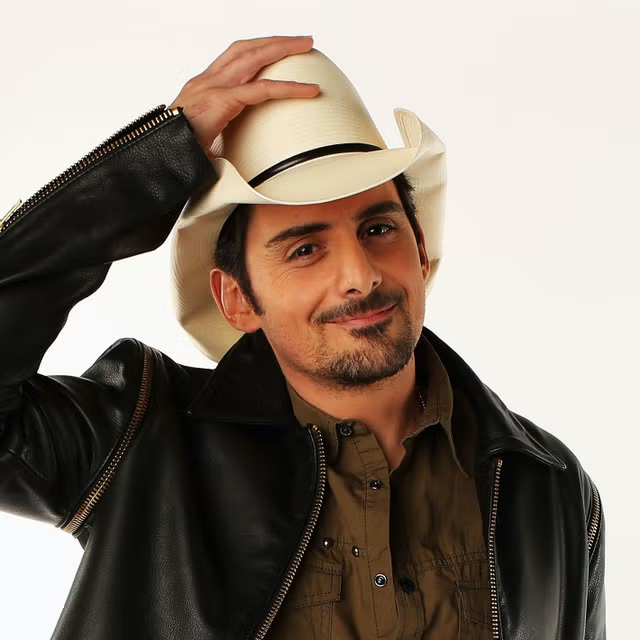
Artists, publishers, record labels, technology companies, and lawmakers are all trying to determine how creative work should be protected while allowing innovation to continue. There is no universal agreement, and opinions vary widely. Paisley’s remarks represent one viewpoint within that larger discussion, reflecting concerns many creators have raised about intellectual property and artistic livelihoods.
Whether someone agrees or disagrees with his position, one thing is difficult to deny: his comments have encouraged people to think beyond headlines. Rather than viewing the proposed data center as only a local planning issue, he invited audiences to consider larger themes involving creativity, community, and public participation.
Ultimately, this story is about more than a building beside a zoo or a debate over artificial intelligence. It is about the continuing challenge of balancing progress with responsibility. As technology advances and communities evolve, difficult decisions will become increasingly common. Brad Paisley’s message serves as a reminder that those conversations are strongest when people affected by them have the opportunity to participate. Regardless of where the proposal ultimately leads, the discussion it has sparked demonstrates that questions about innovation, creativity, and community are becoming some of the defining issues of our time.