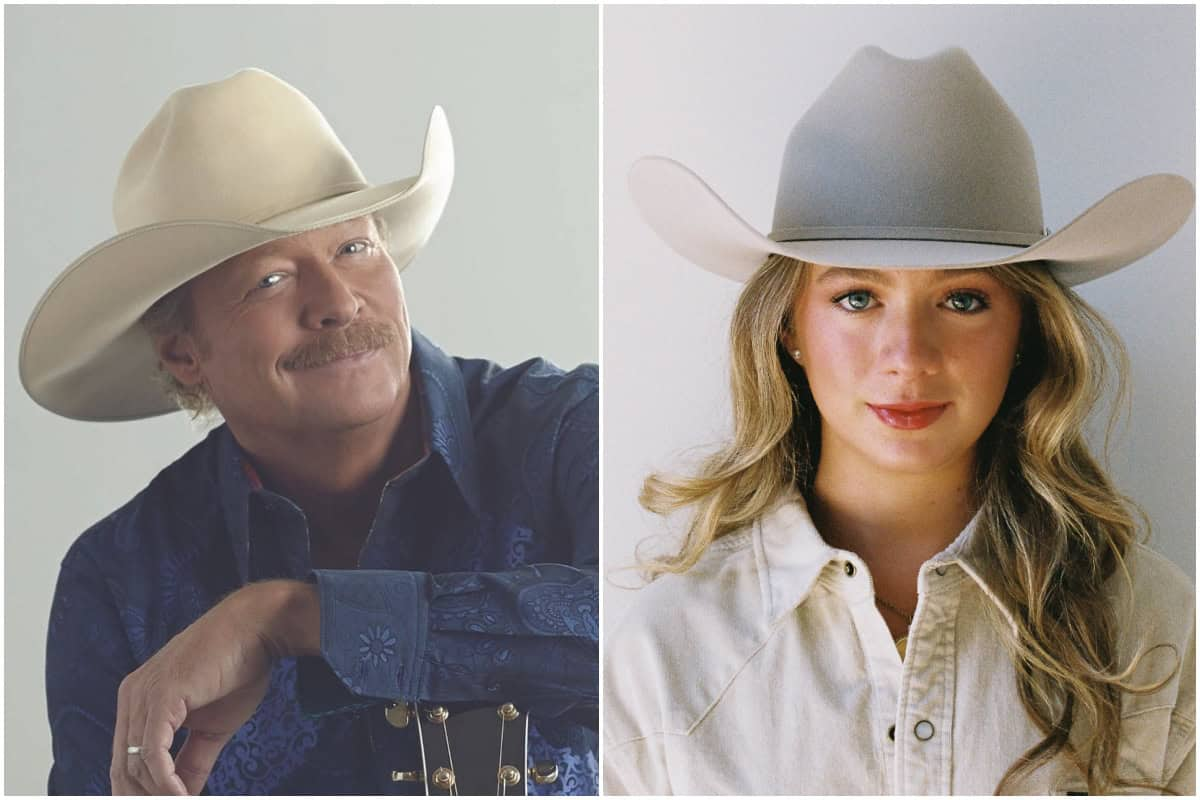
When the call came from Alan Jackson to his great niece Carlisle Wright, it wasn’t framed as an announcement or a formal industry moment. It was personal, grounded, and deeply symbolic—exactly the kind of gesture that feels rare in today’s fast-moving music world.
Jackson, a Country Music Hall of Famer whose influence stretches across decades of storytelling and traditional country sound, personally invited Carlisle to make her Grand Ole Opry debut on June 28. The timing alone carried emotional weight, arriving on June 7, which marked 35 years since Jackson himself became an Opry member.
That overlap in dates was not lost on fans who understand what the Opry represents. It was more than coincidence; it felt like history folding in on itself, connecting one generation of country music authenticity to the next through bloodline and shared purpose.
Carlisle Wright is not stepping into this moment empty-handed or untested. She has been steadily building her identity as a traditional country artist, writing and performing songs such as “Honkytonk Talkin’” and “Half My Heroes,” which reflect a respect for storytelling that echoes the genre’s roots.
Her recent win at Belmont University’s Country Showcase only strengthened the sense that her trajectory is not accidental. It is shaped by persistence, craft, and a clear artistic direction that aligns naturally with the stage she is about to step onto.
The Grand Ole Opry is not just another venue in country music—it is a living institution. For nearly a century, it has functioned as a symbolic circle where legends are made, honored, and remembered. It is where tradition is not preserved quietly, but performed out loud for the world to hear.
For Carlisle, the invitation represents more than a debut. It represents initiation into a lineage that includes the very names that shaped the genre she now contributes to. To stand in that circle is to be measured not only by talent, but by connection to something larger than oneself.
For Alan Jackson, the gesture feels equally significant. He did not simply offer guidance from a distance or acknowledge her progress with industry praise. He extended a personal invitation that ties family heritage directly to one of country music’s most sacred stages.
Moments like this rarely resonate only within the artist family involved. They ripple outward into the broader community of listeners who have followed country music for decades, recognizing how rare it is for legacy, mentorship, and opportunity to converge so naturally.
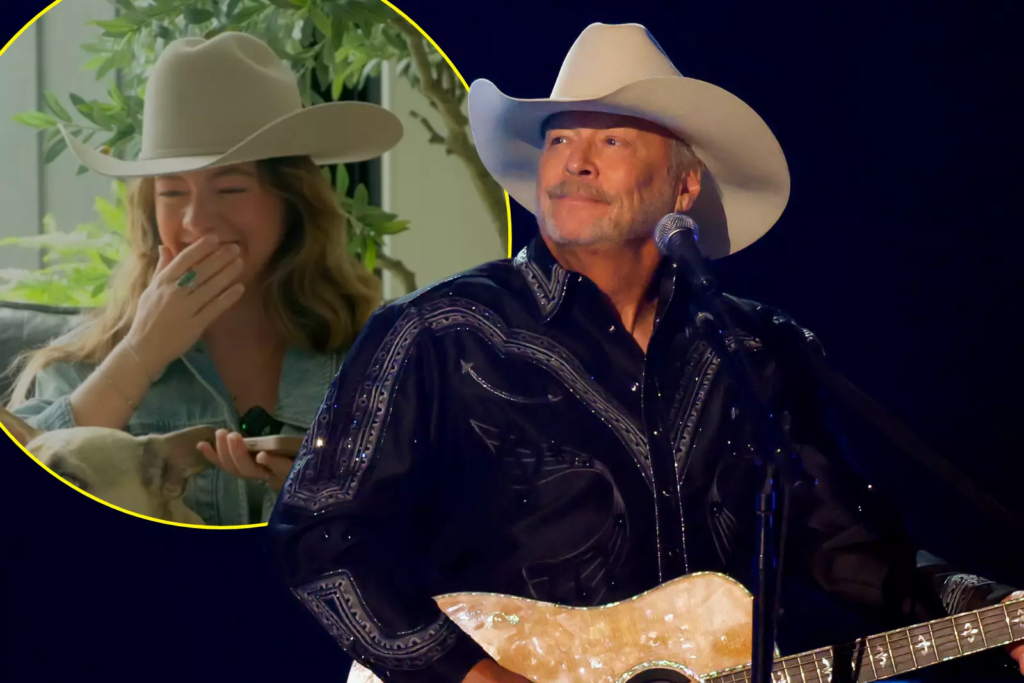
There is a quiet emotional architecture behind this story—one built on faith in tradition, belief in continuity, and the understanding that country music is often passed down like memory rather than manufactured like product.
As Carlisle prepares for her Opry debut on June 28, anticipation grows not just for her performance, but for what it symbolizes: a new voice stepping into an old circle, guided by someone whose own voice helped define what that circle means.
And yet, perhaps the most compelling part of this moment is what hasn’t happened yet. The stage is still waiting. The lights have not yet dimmed. And the question lingering over the Opry circle is simple—how will a legacy sound when it speaks through a new voice for the very first time?