
In country music, chart records are difficult to earn and even harder to protect. Every week brings new releases, new competition, and new opportunities for another artist to climb to the top. That is why what Ella Langley accomplished in 2026 felt so extraordinary. Week after week, month after month, she remained firmly planted at number one, creating a streak that quickly transformed from impressive to historic.
For 28 consecutive weeks, Ella Langley occupied the top position on the Hot Country Songs chart. In a genre filled with established superstars and rising talent, nobody managed to take the crown from her. As the weeks continued to pass, fans began realizing they were witnessing something rare. Records that had stood for decades suddenly looked vulnerable.
The achievement became even more remarkable because of its consistency. Many chart-topping songs enjoy a brief moment of dominance before giving way to the next big release. Ella’s success was different. Her music maintained an extraordinary connection with listeners, allowing her to remain at the top long after many expected the streak to end.

By the middle of the year, the conversation had shifted. People were no longer asking whether she could stay at number one. Instead, they were wondering how long the streak could possibly continue. Every additional week felt like another chapter in a story that was becoming larger than the song itself.
Then came the moment that changed everything.
Just as Ella’s historic run appeared unstoppable, Taylor Swift entered the country conversation once again. After years spent building one of the most successful careers in pop music history, Swift released “I Knew It, I Knew You” as part of the Toy Story 5 soundtrack. The song immediately debuted at number one on the Hot Country Songs chart.
In a single week, the streak was over.
The timing instantly became the center of discussion among country music fans. Social media erupted with opinions, theories, celebrations, frustrations, and endless debate. Some fans viewed it as a simple example of one superstar releasing a highly anticipated song. Others believed the timing felt too remarkable to ignore.
Part of what fueled the discussion was Taylor Swift’s unique position in the music industry. Few artists possess the level of influence she has accumulated throughout her career. Whether releasing pop, country, or soundtrack material, her music generates enormous attention. Her audience extends far beyond traditional genre boundaries, giving every release immediate momentum.
At the same time, Ella Langley’s supporters felt protective of the achievement they had spent months celebrating. They watched her rewrite record books, dominate charts, and become one of the most talked-about artists in country music. Seeing that run end so abruptly naturally created strong reactions from a fan base deeply invested in her success.
What makes the story fascinating is that both artists represent different kinds of achievement. Taylor Swift’s career reflects sustained global dominance across multiple genres. Ella Langley’s rise reflects the arrival of a new force capable of capturing the attention of an entire genre. Rather than diminishing either accomplishment, the chart battle highlighted how powerful both artists have become.
The reality is that chart history is often shaped by timing. Release schedules, streaming trends, fan engagement, radio support, and cultural moments all influence outcomes. Sometimes those factors align in ways that create unforgettable storylines. This happened to be one of them.
Yet regardless of how people interpret the situation, one fact remains undeniable: Ella Langley’s accomplishment did not disappear when the streak ended. Twenty-eight consecutive weeks at number one remains an extraordinary achievement. Records are measured by what happened, not by what happened afterward. The history she made remains firmly intact.
In many ways, the debate itself reflects Ella’s growing impact on country music. If fans were not emotionally invested, there would be no discussion. The passion surrounding the chart change demonstrates how strongly audiences connected with her music and how significant her success became throughout the year.
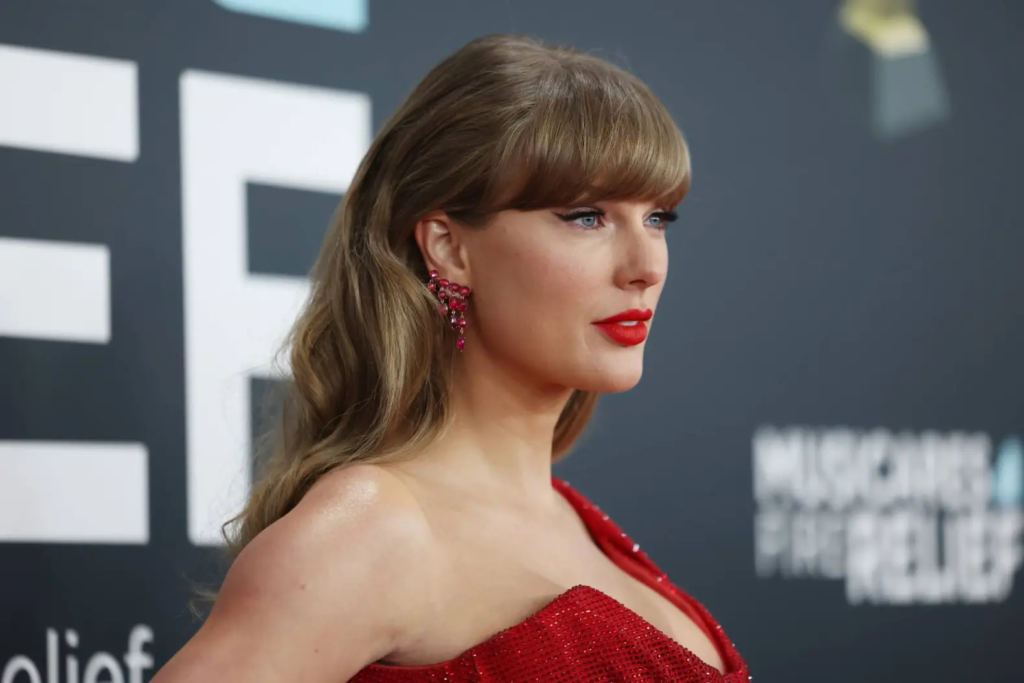
Meanwhile, Taylor Swift’s return to the country chart conversation serves as another reminder of her remarkable ability to influence virtually any corner of the music world. Whether through pop albums, re-recordings, soundtrack contributions, or country releases, she continues to command attention whenever she enters the conversation.
Perhaps the most interesting part of this story is that it is not really about who won and who lost. It is about two artists creating moments that captured the imagination of music fans. One built a historic streak. The other ended it with a surprise debut. Together, they created a chart battle people will be talking about for years.
As time passes, opinions will continue to differ. Some will view it as perfect timing. Others will continue questioning the coincidence. But long after the arguments fade, the numbers will remain. Ella Langley’s historic run will be remembered. Taylor Swift’s surprise chart-topping return will be remembered. And the week those two stories collided will remain one of the most discussed moments in modern country music.