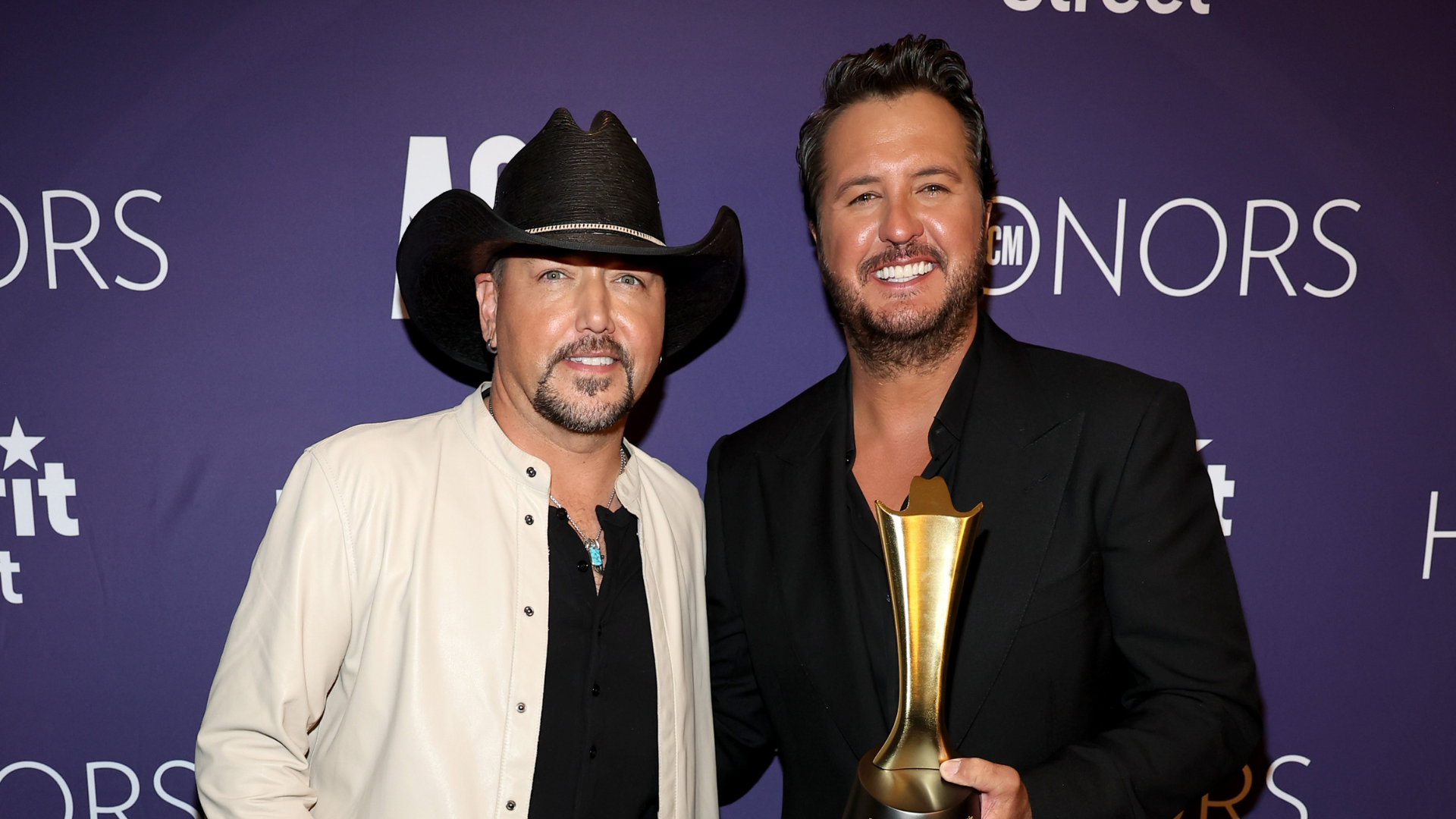
In Nashville, where music and business often intersect, celebrity-backed ventures are nothing new. But when those ventures face legal trouble, the headlines tend to travel fast. That is exactly what is happening now with E3 Chophouse, a steakhouse linked to Jason Aldean, Luke Bryan, and former MLB player Adam LaRoche.
A Nashville realty group has officially filed a lawsuit against the restaurant, claiming unpaid rent and seeking compensation through the remaining lease term, which extends until August 2029.
At the center of the dispute are allegations that the establishment owes two months of back rent, alongside broader financial obligations tied to its long-term lease agreement. While lawsuits of this nature are not uncommon in the restaurant industry, the involvement of high-profile entertainment and sports figures has amplified public attention.
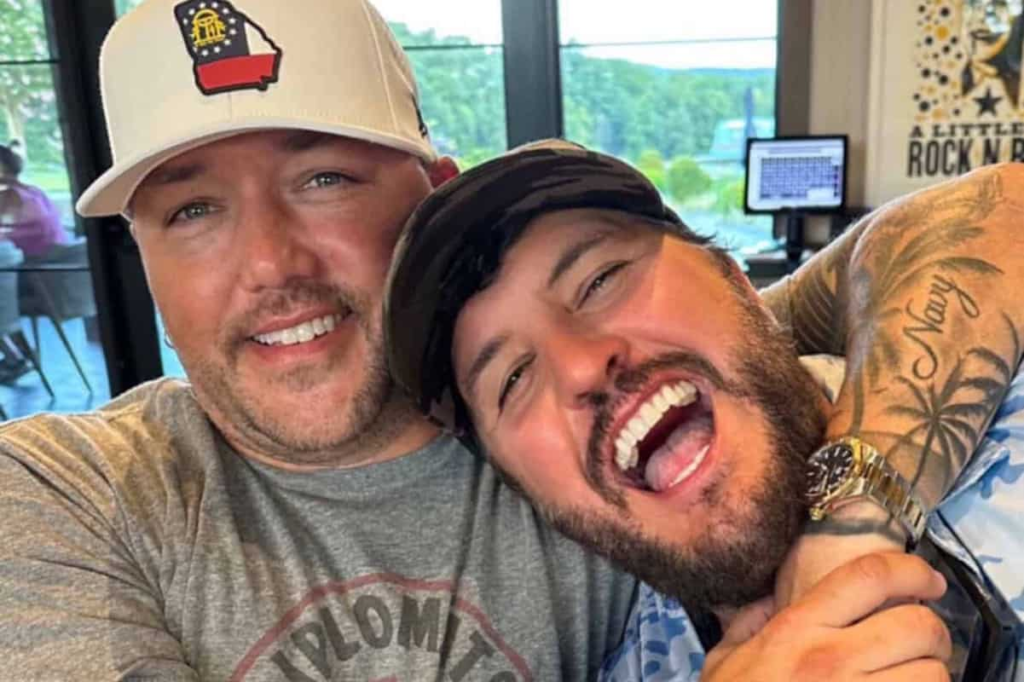
The situation becomes more complex when considering the restaurant’s recent operational history.
E3 Chophouse closed its doors in February, initially described as a temporary pause in operations. At the time, many assumed it was a short-term decision—possibly related to restructuring, seasonal adjustments, or internal business planning.
However, developments since then have shifted perception significantly.
What was once framed as a pause now appears increasingly like a permanent closure, raising questions about the financial health of the business and the circumstances leading up to the shutdown. The lawsuit only adds another layer to an already uncertain situation.
Celebrity involvement in restaurant ventures is a familiar concept in Nashville’s entertainment-driven economy.
Artists and athletes frequently invest in hospitality businesses, leveraging their public recognition to attract customers and build lifestyle brands beyond their primary careers. When successful, these ventures can thrive on fan loyalty and tourism-driven traffic. But when challenges arise, the visibility that once fueled popularity can also magnify scrutiny.
E3 Chophouse now sits at that intersection.
The lawsuit’s claim for rent payments through 2029 suggests a long-term contractual dispute rather than a short-term disagreement. It highlights the complexity of commercial leases, especially when high-profile branding is involved but day-to-day operations are no longer stable.
For Jason Aldean and Luke Bryan, both major figures in country music, the situation is less about their musical careers and more about the broader realities of business partnerships.
In many celebrity-owned ventures, operational control is often shared with business managers, investors, and external partners. This separation between public identity and private business structure can sometimes create gaps in responsibility when financial difficulties arise.
Adam LaRoche’s involvement further underscores the cross-industry nature of the project.
A former professional athlete entering the restaurant industry reflects a growing trend of public figures diversifying their portfolios. Yet diversification does not always guarantee stability, particularly in a sector as volatile as hospitality, where margins are tight and operational costs are high.
The closure in February initially did not raise widespread alarm.
Temporary pauses in restaurant operations are relatively common, especially in markets like Nashville where seasonal tourism and shifting consumer patterns can influence business decisions. However, the absence of a reopening timeline has contributed to growing speculation about the restaurant’s future.
The lawsuit now shifts that uncertainty into a more formal legal context.
Claims involving back rent and extended lease obligations often indicate deeper contractual breakdowns between landlords and tenants. These disputes can involve negotiations, settlement discussions, or prolonged court proceedings, depending on the financial positions of both parties.
What makes this case particularly notable is the contrast between public perception and legal reality.
To many fans and visitors, E3 Chophouse was more than just a restaurant—it was part of the broader Nashville entertainment ecosystem, where music, food, and celebrity culture often overlap. Its branding carried the appeal of familiar names attached to a physical dining experience.
Now, that image is being tested against legal and financial scrutiny.
The outcome of the lawsuit could determine not only the financial resolution of the dispute but also how the restaurant’s closure is ultimately defined—temporary pause or permanent end.
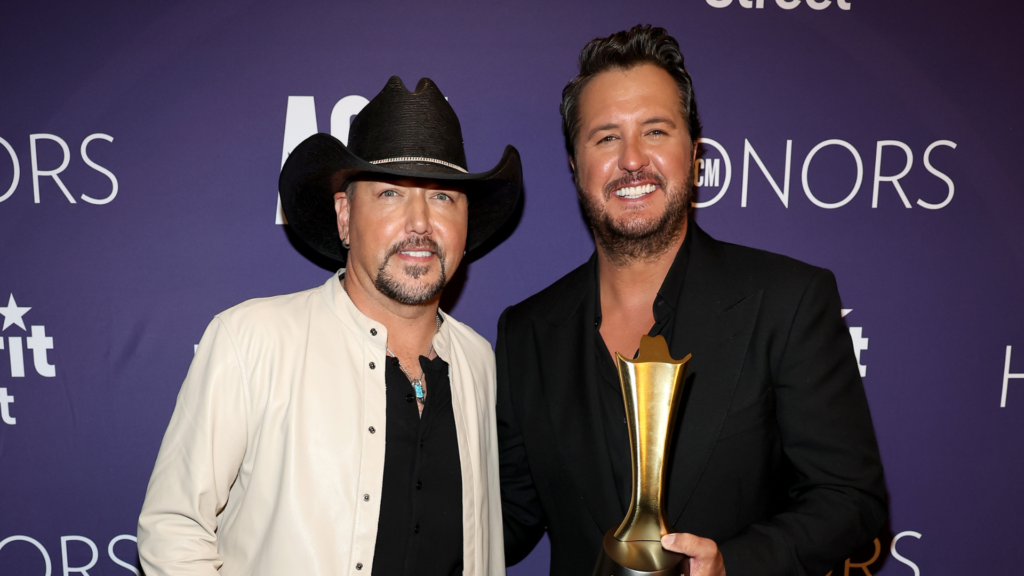
For Nashville’s business landscape, cases like this serve as a reminder of the risks behind celebrity-driven ventures.
Visibility can drive rapid growth, but it does not eliminate the fundamentals of real estate obligations, operational costs, and long-term sustainability. When those fundamentals are strained, even high-profile names may not be enough to stabilize a business.
As the legal process unfolds, more details are expected to emerge.
For now, E3 Chophouse stands as an example of how quickly perception can shift in the entertainment business world—from a celebrated concept backed by major names to a disputed closure surrounded by financial uncertainty.
And as the lawsuit continues, one question remains at the center of it all:
Was E3 Chophouse ever just “on pause,” or was its final chapter already written long before the legal filings began?