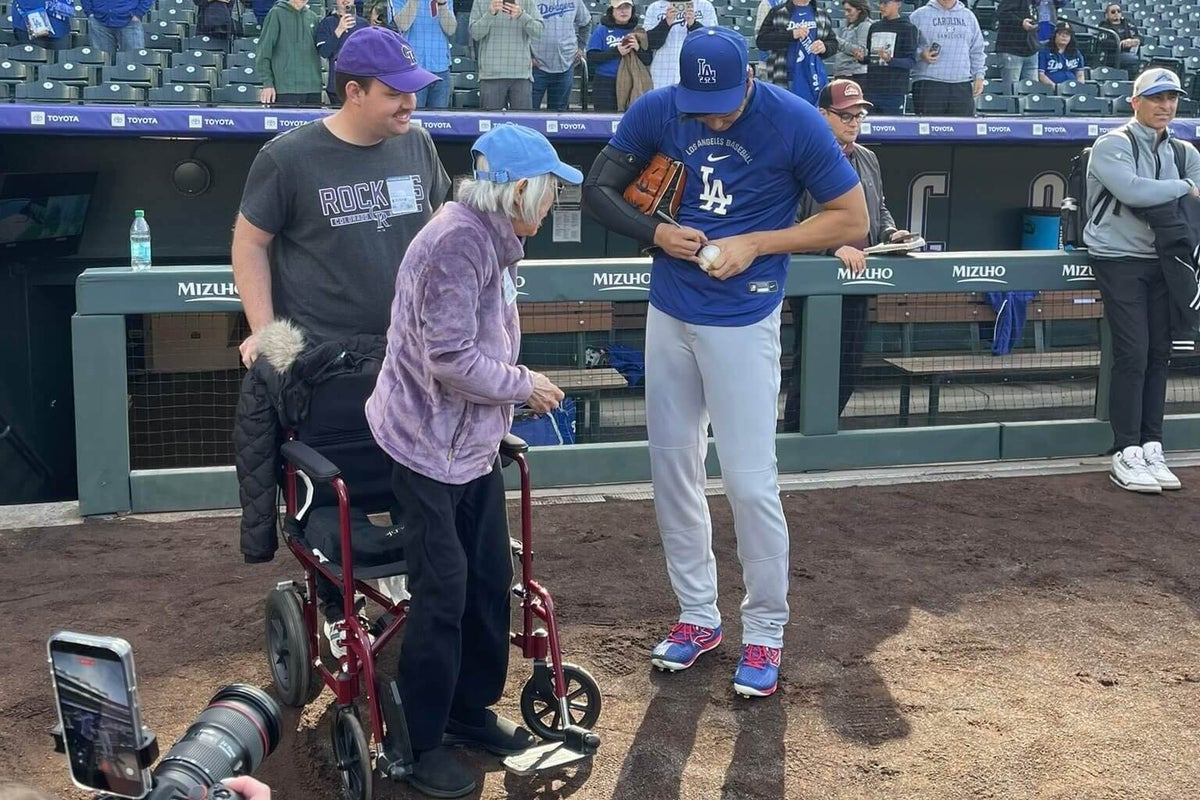
There are moments in sports when the scoreboard becomes irrelevant. The numbers fade, the statistics disappear, and what remains is something human. One of those moments arrived when Shohei Ohtani gave a signed baseball to a 100-year-old Japanese woman who survived the 1945 bombing in Nagasaki.
At first glance, it may seem like a simple gesture. An athlete signs a ball. A fan receives it. Cameras capture a touching exchange. These things happen often in professional sports. But this was different. This was not just memorabilia changing hands. It was history meeting the present in the most graceful way possible.
The woman who received the ball has lived through a century of life. More importantly, she lived through one of the darkest chapters in modern human history. Surviving the bombing of Nagasaki in 1945 meant surviving unimaginable loss, fear, devastation, and the kind of trauma that reshapes generations. To carry those memories for decades is itself a form of strength.
Then came this moment.
Across time, across generations, and across radically different eras of Japanese identity, one of the most recognizable athletes in the world stood before her and offered something deeply symbolic: respect.
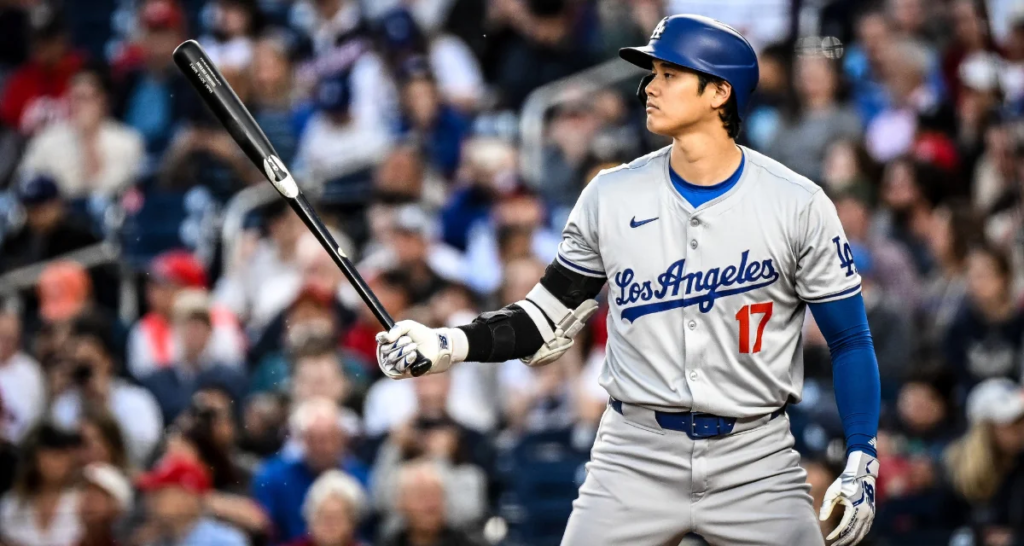
Shohei Ohtani represents modern excellence on a global stage. He is celebrated not only for talent, but for discipline, humility, and the rare ability to unite audiences across cultures. In many ways, he embodies a version of Japan known today for innovation, perseverance, artistry, and international admiration.
The woman before him represents endurance.
She represents those who witnessed destruction and still continued forward. Those who rebuilt lives after catastrophe. Those who carried memory so future generations would understand both pain and resilience. When Ohtani handed her that signed ball, the exchange seemed to carry a meaning beyond words.
It was one Japan honoring another.
The beauty of the moment lies in what was never spoken aloud. There was no need for dramatic speeches or grand symbolism. Some gestures communicate everything through their simplicity. A signed baseball from a national icon to a centenarian survivor became a bridge between generations separated by war, recovery, and transformation.
Sports can do that in ways few other institutions can.
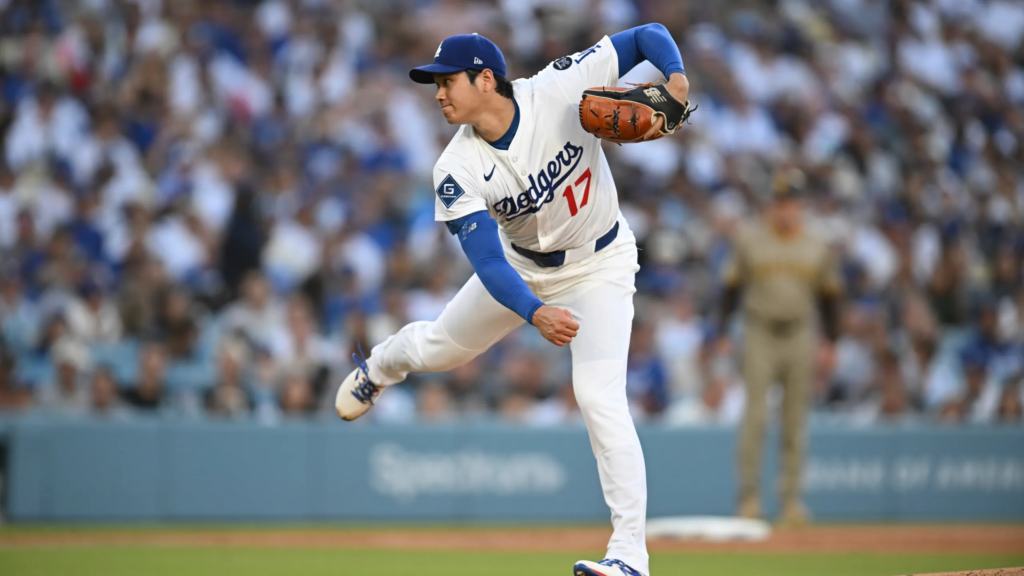
They create common language between strangers. They give people symbols to rally around. They remind nations of shared pride and shared feeling. But occasionally, sports also become a vessel for remembrance. This was one of those rare times when athletic fame was used not for spectacle, but for tenderness.
For Ohtani, the gesture reflects something fans around the world have long admired: grace.
Superstars often live in constant motion—games, travel, obligations, interviews, pressure. Yet the most respected figures understand when to slow down for a moment that matters. Ohtani’s willingness to recognize this woman not simply as a fan, but as someone whose life story carries historic weight, speaks volumes about character.
For the woman, the ball likely represented more than an autograph.
It may have symbolized being seen.
Many survivors of war carry stories that younger generations only partially understand. Time moves forward quickly. Headlines change. Public memory fades. Yet when someone of Ohtani’s stature pauses to honor a survivor, it tells the world that these lives, these memories, and these experiences still matter.
That kind of acknowledgment is powerful.
There is also something deeply moving about the contrast itself. In 1945, Japan faced destruction and uncertainty. Decades later, one of its greatest modern athletes offers joy and recognition to someone who endured that era. It is a reminder that nations are not frozen in tragedy. They evolve, rebuild, and produce new forms of hope.
The signed baseball becomes almost poetic in that light.
A ball is round, continuous, without beginning or end. It can symbolize cycles, continuity, and connection. In one hand, a survivor of history. In the other, a symbol from the present. Between them, a shared identity shaped by pain, perseverance, and pride.
Moments like this resonate because they restore perspective.
In a world dominated by controversy, arguments, and constant noise, a quiet act of kindness can feel surprisingly profound. It reminds people that greatness is not only measured in home runs, titles, or records. Sometimes it is measured in whether someone uses their platform to create dignity for another person.
Ohtani did exactly that.
Long after his statistics are debated and records eventually surpassed, moments like this may endure differently. They reveal the person behind the athlete. They show that influence can be used gently. They prove that legacy is built not only in stadiums, but in how someone treats others when the cameras happen to be watching.
And perhaps most moving of all, this exchange carried hope.
A woman who survived one of history’s most painful events was honored by someone representing the future she helped make possible simply by surviving, enduring, and living long enough to witness it.
That is far bigger than baseball.
It is memory meeting gratitude.
It is resilience meeting respect.
It is history receiving a smile from the present.