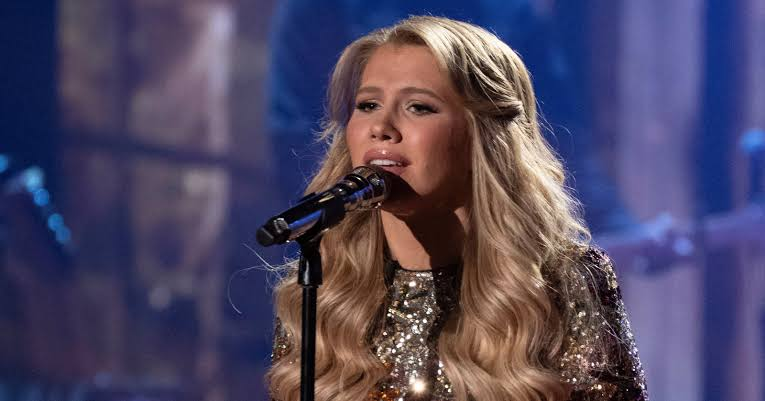
Some stories in country music don’t begin with bright lights or roaring crowds. They begin in silence, in vulnerability, and in the courage to be fully seen. Hannah Harper’s journey is one of those rare stories. Before she became a national conversation, she was simply a small-town Missouri mom walking into an American Idol audition with nothing but an original song and the truth of her experience.
That song, “String Cheese,” was not written for fame or attention. It was born from a deeply personal struggle with postpartum depression. In an industry that often celebrates perfection, Harper chose honesty instead. And in doing so, she created a moment that felt less like a performance and more like a shared emotional release for everyone watching.
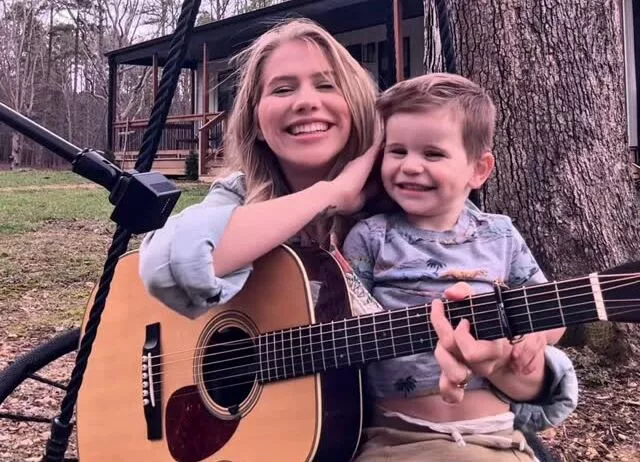
From the very first note, there was something unmistakably real about her presence. Viewers didn’t just hear lyrics; they felt them. Every word carried weight, every pause held meaning, and every emotion seemed to reflect experiences many people silently carry. It was this raw authenticity that transformed her audition into something unforgettable.
What made the moment even more powerful was how unpolished it felt in the most human way possible. There was no overproduction, no attempt to disguise emotion. It was simply a mother standing in front of strangers, turning pain into music. That kind of honesty is rare, and it is often what separates fleeting attention from lasting impact.
The response was immediate. Audiences connected deeply with her story, seeing pieces of their own struggles reflected in her voice. Social media conversations grew rapidly, not because of spectacle, but because of recognition. People didn’t just support her—they related to her. And in modern entertainment, that kind of emotional connection is one of the strongest forces an artist can experience.
As the competition progressed, Hannah Harper continued to build on that foundation of sincerity. Each performance reinforced the idea that she was not simply a contestant, but a storyteller. Her ability to translate emotion into music became her defining strength, allowing her to stand out in a field filled with talented voices.
Winning American Idol marked a turning point, but it did not change the essence of who she was as an artist. Instead, it amplified what was already there. The same honesty that defined her audition continued to guide her path forward, shaping how audiences perceived her rise in the country music world.
Just weeks after her victory, Harper stepped into one of the most sacred spaces in the genre: the Grand Ole Opry circle. For many artists, this stage represents the pinnacle of achievement, a symbol of acceptance into country music’s long-standing tradition. For Harper, it represented something even more profound—a continuation of a journey rooted in truth.
Standing in that circle, the contrast was striking. Not long before, she had been in a quiet audition room sharing a deeply personal song about struggle and healing. Now, she was performing on a stage that has hosted some of the most iconic names in country music history. The transition felt almost surreal, yet entirely deserved.
What makes Hannah Harper’s story compelling is not just her rapid rise, but the emotional thread that ties every moment together. From the audition to the Opry, there is a consistent theme of vulnerability transformed into strength. She has not built her career on perfection, but on connection.
In an industry often driven by image and production, Harper’s presence serves as a reminder that authenticity still matters. Audiences are not only drawn to talent; they are drawn to truth. And in sharing her truth, she has created a space where others feel seen and understood.
Her journey also highlights something larger about music itself. Songs are not just performances—they are reflections of lived experience. When an artist is willing to share those experiences openly, the impact extends far beyond the stage. It becomes personal for the listener.
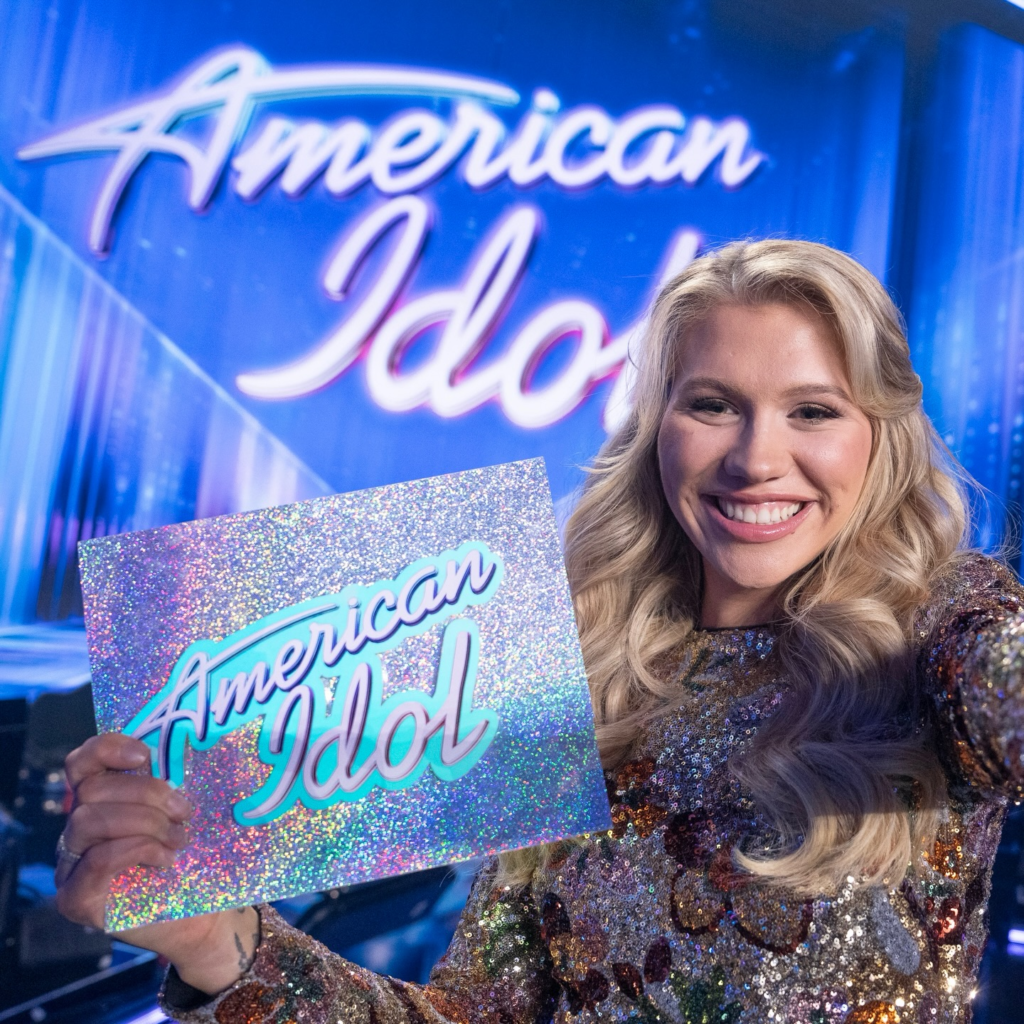
As Hannah Harper continues forward, her path is no longer defined by a single audition or even a competition win. It is defined by the emotional resonance she creates wherever she performs. Each stage becomes another chapter in a story that began with honesty and continues with purpose.
The most powerful part of her journey may still be ahead. With every performance, she adds depth to a narrative that began quietly but has grown into something widely shared. And as audiences continue to follow her rise, one question naturally lingers—how far can a story built on pure honesty truly go in the world of country music?