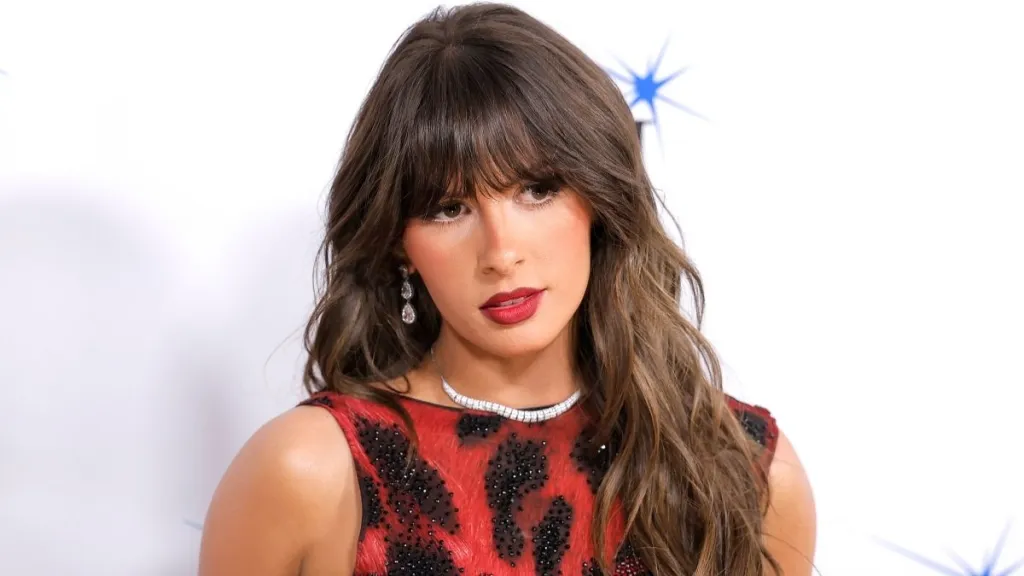
Sometimes a hit song doesn’t arrive with a grand plan or carefully engineered formula. Sometimes it starts as a passing thought, a joke between moments of everyday life, and quietly grows into something much bigger than expected. That is exactly what happened with Ella Langley and her breakout track, “You Look Like You Love Me.”
At its core, the song began as a lighthearted reflection on modern dating—the kind of playful idea that comes from real experiences and unfiltered honesty. But what makes Ella Langley stand out in today’s country landscape is not just her songwriting ability, but her willingness to turn personal truth into music without overthinking its polish or presentation.
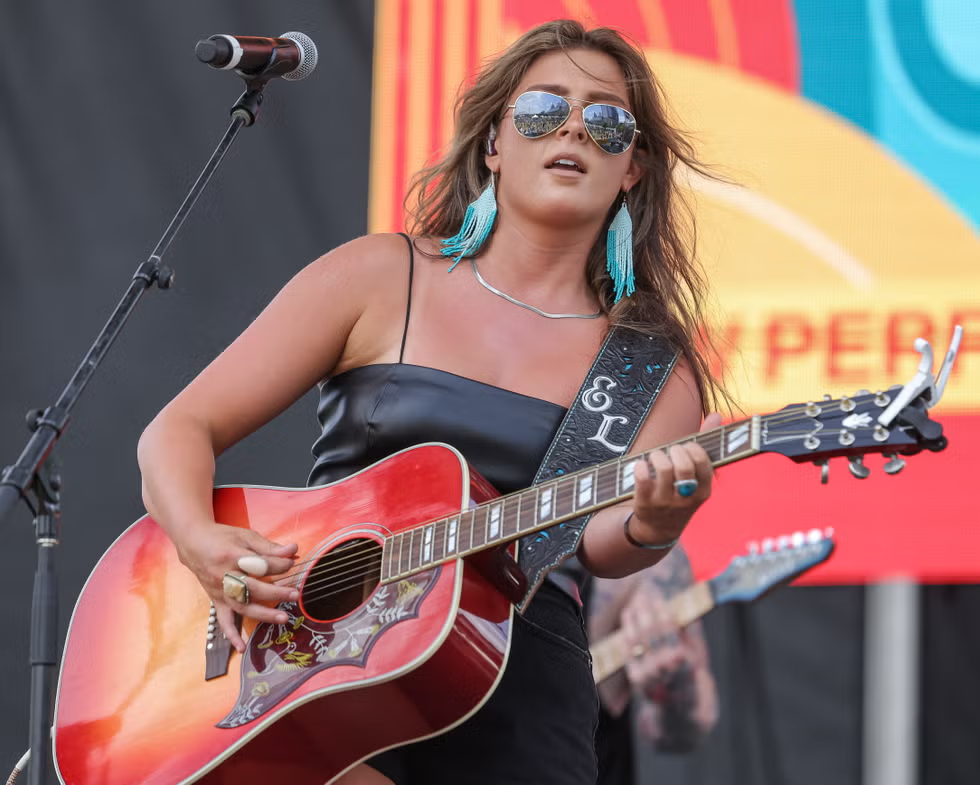
What listeners didn’t immediately realize is that the song wasn’t just a fictional character study. It was, in many ways, a reflection of Ella herself.
The confidence, the boldness, and the “shoot your shot” energy that runs through the track are not just lyrical choices—they are personality traits that define her artistic identity. And it is that authenticity that has turned a simple concept into a cultural moment within country music.
As “You Look Like You Love Me” began to gain traction, something unexpected started happening. The song didn’t just connect with traditional country audiences. It reached far beyond them.
Listeners who had never previously explored the genre found themselves drawn in by its honesty and charm. There was something refreshingly direct about its storytelling—something that felt both familiar and new at the same time. It didn’t rely on elaborate production or overly complex metaphors. Instead, it leaned into relatability.
That relatability became its strongest weapon.
The track quickly climbed the country charts, turning Ella Langley from a rising name into one of the most talked-about new voices in the genre. Radio play increased, streaming numbers surged, and social media helped amplify its reach in ways that traditional promotion alone could not have achieved.
But with success came a deeper conversation about what her rise represents for country music as a whole.
Critics began pointing to Ella as part of a new wave of artists reshaping the genre’s identity. While country music has always been rooted in storytelling, today’s emerging artists are blending tradition with a more unfiltered, personality-driven approach. Ella fits squarely into that shift.
Her music doesn’t feel manufactured or distant. It feels lived-in. That sense of immediacy is what makes her work stand out in a crowded industry where authenticity is often claimed but rarely demonstrated so naturally.
What’s particularly interesting about her breakout is how organic it feels. There was no sense of forced reinvention or calculated persona-building. Instead, “You Look Like You Love Me” grew out of lived experience, humor, and self-awareness—qualities that audiences can easily recognize.
As the song continued to rise, it also began changing perceptions. Fans who once had no connection to country music started exploring her catalog. New listeners arrived not because they were searching for a genre, but because they connected with a voice that felt real.
That kind of crossover appeal is not easy to manufacture. It usually happens when an artist manages to strike a balance between personal truth and universal emotion. Ella Langley seems to have found that balance early in her career.
Industry observers have noted that her success reflects a broader shift in how audiences engage with music today. Listeners are increasingly drawn to songs that feel conversational, honest, and unfiltered. In that environment, polished perfection often takes a backseat to personality.
Ella’s approach embodies that change.
There is also something undeniably empowering about the narrative behind the song. At its center is a woman unafraid to take initiative, to express desire, and to own her perspective without hesitation. That energy resonates across demographics, particularly with listeners who see confidence as a form of authenticity rather than performance.
It is that combination of relatability and boldness that has fueled her rapid rise.
Critics describing her as “the future of real country music” are not just commenting on her sound, but on what she represents. She is part of a generation of artists who are less concerned with fitting into predefined molds and more focused on expressing who they are without compromise.
As her momentum continues to build, the question is no longer whether Ella Langley has arrived—but how far she can go from here.
Her breakout single has already proven that a simple idea, when delivered with honesty and personality, can break through noise, trends, and expectations. It has shown that audiences are still hungry for music that feels human.
And perhaps most importantly, it has revealed something about Ella herself: that sometimes the most powerful stories are the ones that don’t start as statements of ambition, but as jokes, observations, and moments of real life turned into something unforgettable.
If “You Look Like You Love Me” is any indication, Ella Langley’s story is only just beginning—and the next chapter may be even louder than the first.