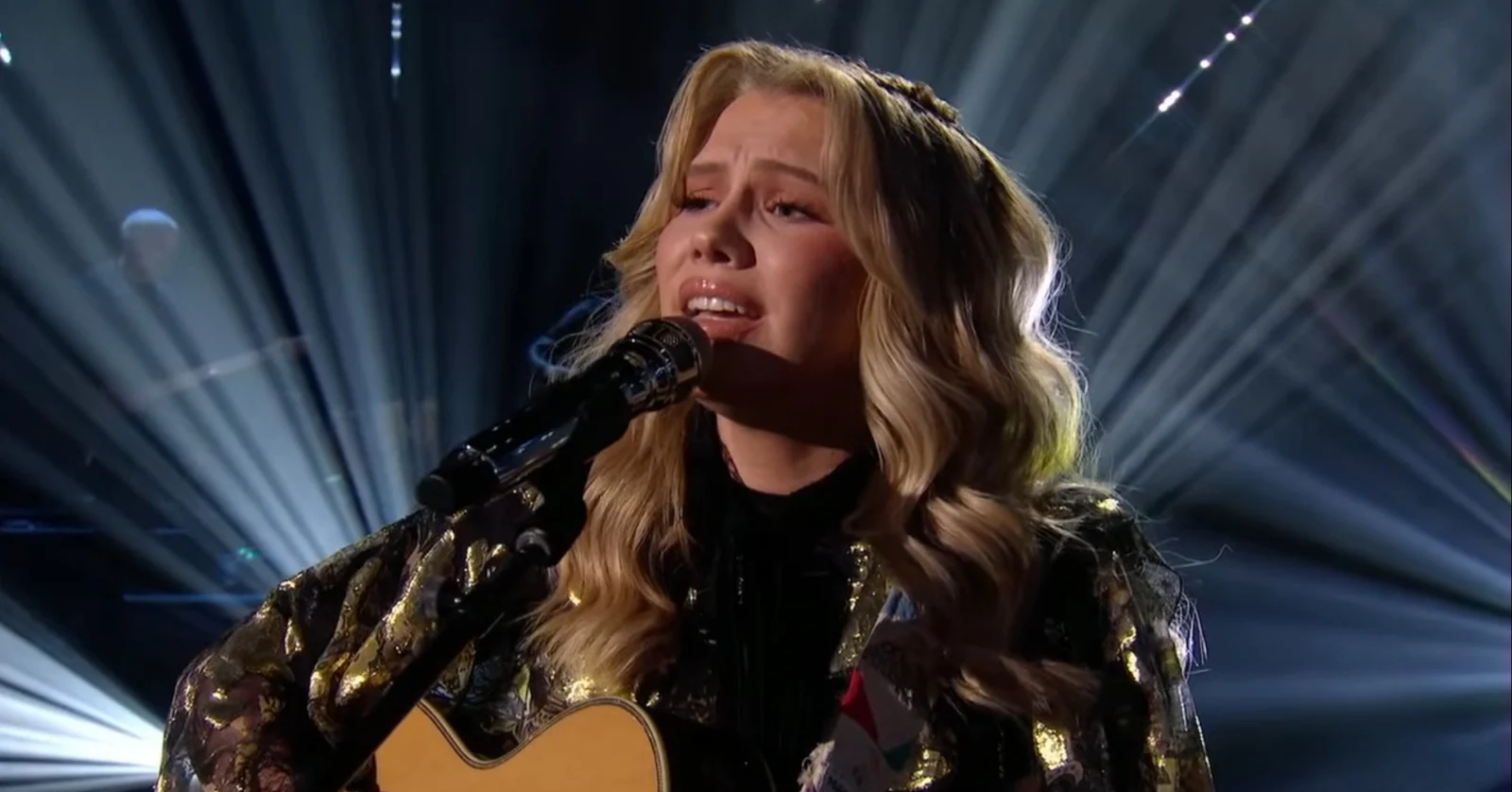
During the American Idol finale, Hannah Harper stepped onto the stage with a performance of “No One” that quickly became more than just a song—it became a lived experience unfolding in real time. From the first note, there was a noticeable fragility in her delivery, as if every lyric carried years of pressure, sacrifice, and hope.
As the performance progressed, her voice began to shake in a way that audiences at home could not ignore. It wasn’t a technical flaw—it felt like emotion breaking through control. Viewers later described it as watching someone balance between strength and vulnerability without ever fully choosing one over the other.
What made the moment even more striking was the presence of Alicia Keys just feet away, a reminder of the scale of the stage she was standing on. Yet instead of being overwhelmed by the spotlight, Hannah seemed to turn inward, pulling every ounce of meaning from the song itself.
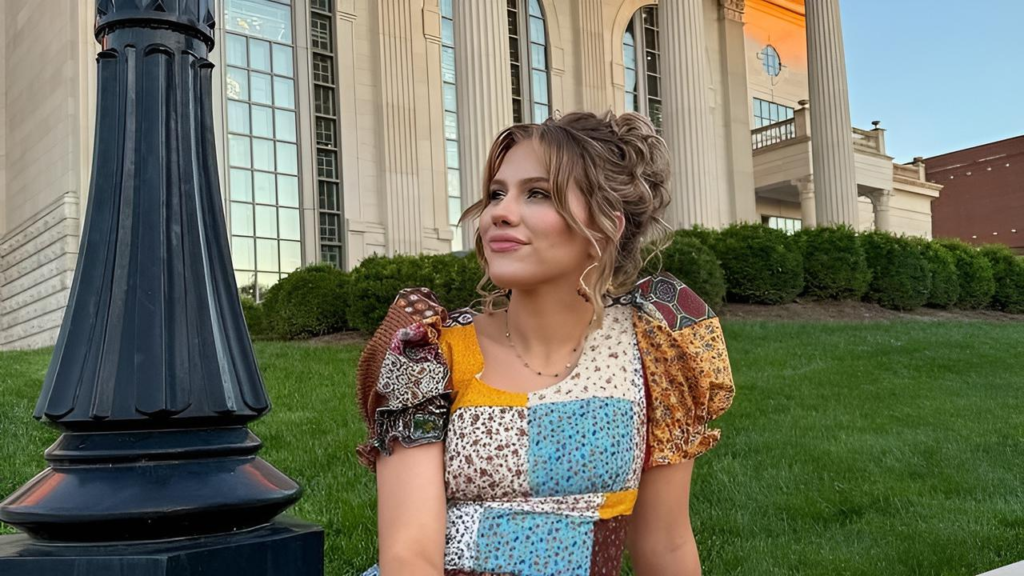
Behind that performance was a story fans had followed closely—her journey alongside her husband Devon, marked by persistence, uncertainty, and shared ambition. That emotional backdrop gave every lyric an added weight, transforming a familiar song into something deeply personal and unfiltered.
When the final notes faded, the atmosphere in the arena shifted instantly. There was no immediate eruption—just a pause, as if the audience needed a moment to process what they had witnessed before responding. That silence became part of the performance itself.
Then came the announcement from Ryan Seacrest that she had advanced, and the emotional restraint Hannah had been holding finally broke. Her reaction was not polished or rehearsed—it was instinctive, overwhelming, and completely human.
Looking toward Devon in that moment, she collapsed into tears, and the performance transformed into something no longer about competition, but about endurance and shared struggle. What began as a song ended as a release of everything that had been carried up to that point.
Social media reactions followed almost immediately, with viewers describing the moment as one of the most emotionally authentic in recent American Idol history. Many said they saw their own relationships reflected in her breakdown, particularly parents and couples who connected deeply with the vulnerability on display.
Clips of the performance spread rapidly, not because of technical perfection, but because of emotional honesty. In a season filled with high production and polished performances, this moment stood out precisely because it felt unfiltered and real.
Fans began revisiting earlier performances, reinterpreting them through the lens of what they had just witnessed. The narrative of Hannah Harper shifted from contestant to storyteller, someone whose journey was written not just in notes, but in lived experience.
Critics noted how rare it is for a finale stage—typically associated with control and celebration—to become a space for emotional collapse and release. Yet in this case, that contrast only amplified the impact of the moment.
Even hours after the broadcast, conversations continued to circulate online, with many describing the performance as one they could not easily move past. It lingered not as entertainment, but as something closer to shared emotional memory.
In the end, what made the moment unforgettable was not the outcome of the competition, but the honesty it revealed under pressure. And as the echoes of that performance continue to spread, one question remains—how do you follow a moment that felt less like a performance and more like watching someone’s truth unfold in real time?