In modern country music, few names carry the weight and influence of Miranda Lambert. Her career could have been defined solely by awards, chart-toppers, and arena tours. Instead, it has evolved into something far more enduring: a quiet but powerful commitment to shaping the next generation of artists who now define the genre’s future.
What sets her apart is not just longevity, but intention. While many artists focus on maintaining dominance, she has consistently shifted attention outward. In a competitive industry built on visibility, her most defining choices often happen away from the spotlight, in writing rooms, rehearsal spaces, and collaborative sessions where new voices are still finding their identity.
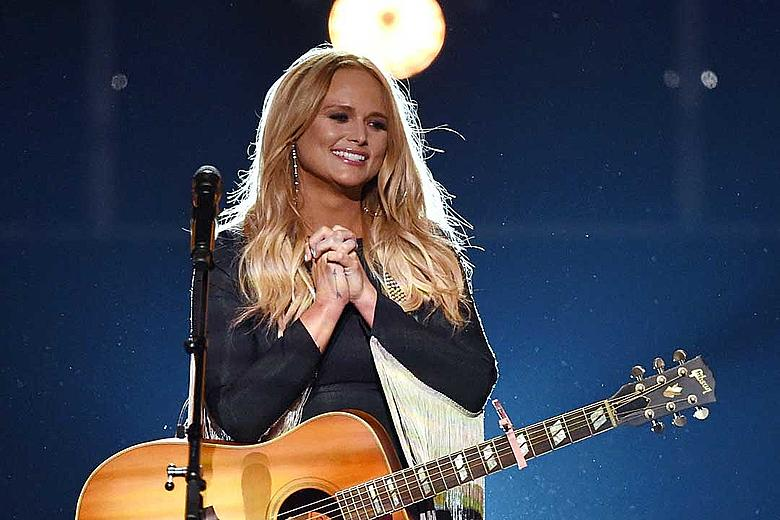
One of the most talked-about examples of this approach is her involvement in “Choosin’ Texas,” a creative collaboration that brought together emerging talents like Ella Langley, along with contributors such as Joybeth Taylor and Luke Dick. Rather than centering herself, she reportedly stepped into a supportive role that allowed the younger artists to shape the direction and emotional tone of the work.
This kind of artistic generosity is rare in any genre, but especially in country music, where legacy and competition often intersect. For Lambert, however, influence seems to come less from control and more from trust. Trust in the process, trust in new voices, and trust that stepping back can sometimes create the space needed for someone else to step forward.
Long before these collaborations gained attention, she was already known for recognizing potential in artists before the broader industry fully caught on. One of the most frequently cited examples is her early support for Lainey Wilson, whose rise has since become one of country music’s most celebrated success stories. That belief, expressed early and without hesitation, helped reinforce a growing shift in the genre.
What makes this pattern significant is its consistency. It is not limited to a single collaboration or moment of mentorship. Instead, it reflects a broader philosophy: success is not diminished by sharing it. In Lambert’s case, influence appears to expand rather than shrink when distributed among others.
As these newer artists begin to headline festivals, win awards, and build their own loyal audiences, they often speak about the importance of early encouragement. While talent and timing play undeniable roles, the emotional support of established figures can be the difference between hesitation and confidence in a high-pressure industry.
Within this evolving landscape, Lambert’s role becomes increasingly symbolic. She represents a bridge between eras of country music—one rooted in traditional storytelling and another driven by genre-blending experimentation. Her willingness to support both sides of that evolution has helped keep her relevant without requiring reinvention for its own sake.
Critically, this approach challenges a common assumption in entertainment: that influence must be maintained through dominance. Instead, her career suggests a different model, one where legacy is built through contribution rather than competition, and where the success of others is not a threat but an extension of one’s own impact.
Fans often point out that this mindset cannot be manufactured for public image. It is reflected in patterns of behavior over time, not isolated gestures. Whether in songwriting rooms or collaborative projects, the consistency of her support for rising artists has become part of how her legacy is understood.
For younger performers like Ella Langley and others working alongside her, this environment creates more than opportunity—it creates permission. Permission to take creative risks, to fail publicly, and to grow without the pressure of immediate perfection. That kind of space is increasingly rare in modern music culture.
Meanwhile, her earlier encouragement of Lainey Wilson continues to be referenced as a turning point in conversations about mentorship in country music. It is often cited not as a single act, but as part of a larger pattern of recognition that helped amplify emerging voices before mainstream attention arrived.
As country music continues to evolve, the significance of Lambert’s approach becomes even clearer. She has managed to remain a central figure in the genre not by holding tightly to her position, but by widening the circle around her. In doing so, she has helped redefine what lasting influence can look like.
In the end, her legacy is not only written in her own discography, but also in the careers she has helped shape. And as new voices continue to rise with her quiet support behind them, one thing becomes increasingly clear: country music may have many stars, but its future has been deeply, and permanently, influenced by Miranda Lambert.