
Some songs become so beloved that they seem impossible to touch. Fans know every lyric, every pause, and every emotion attached to them.
Then, every once in a while, an artist comes along who doesn’t try to compete with the original.
Instead, they tell the story through their own heart.
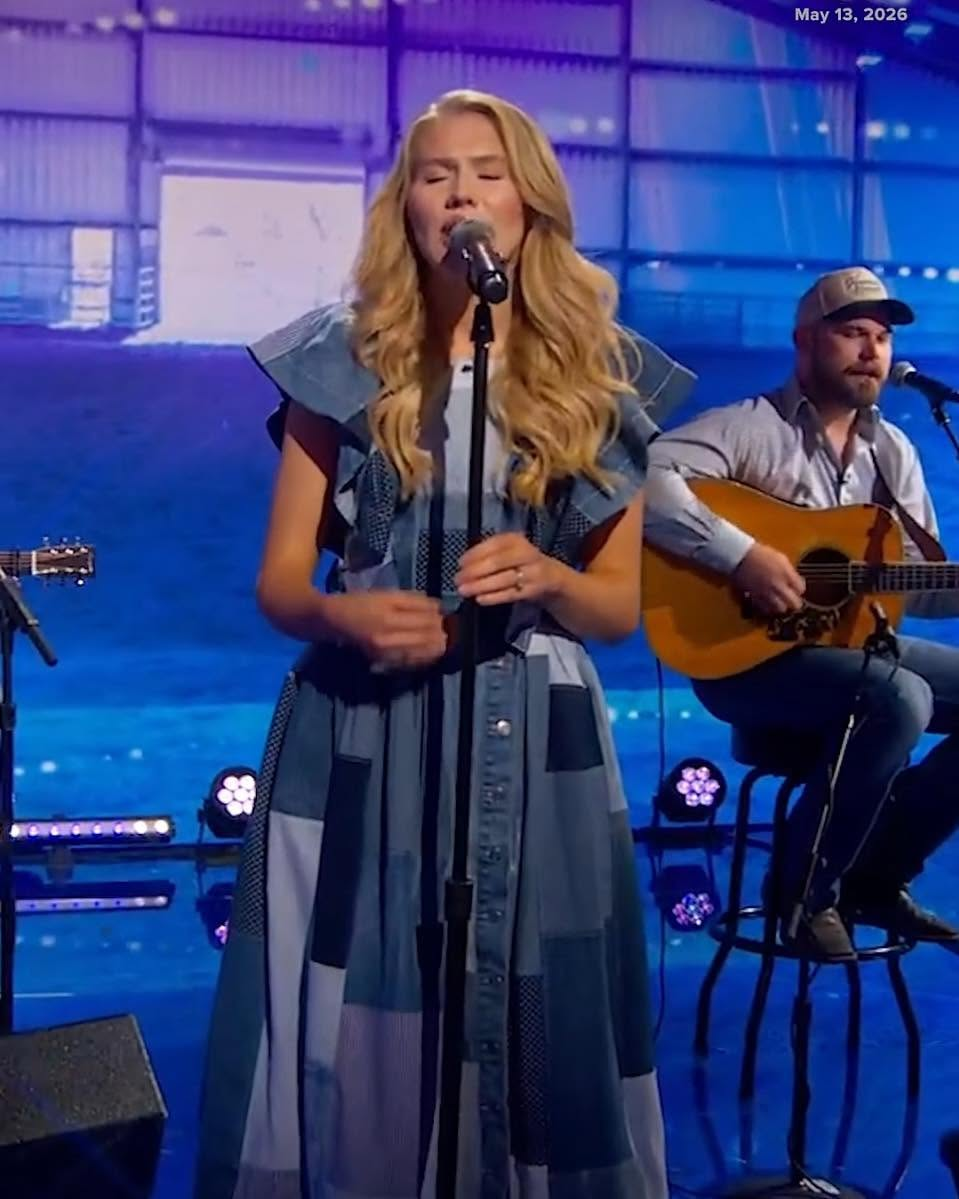
That’s exactly what Hannah Harper accomplishes with her rendition of The Lucky One. From the opening note, it feels less like a performance and more like a conversation shared between the singer and every listener willing to slow down.
Rather than relying on vocal power alone, she leans into sincerity. Her delivery is calm, intimate, and refreshingly honest, allowing every lyric to breathe naturally instead of rushing toward the next chorus.
That restraint becomes the performance’s greatest strength. It reminds us that music isn’t always about hitting the biggest note—sometimes it’s about making people feel something they didn’t expect.
As the song unfolds, Hannah gradually builds emotion without ever forcing it. The result is a version that feels deeply personal while remaining respectful of the song that inspired it.
Moments like these explain why audiences continue to gravitate toward her. She doesn’t simply sing songs; she searches for the emotions hidden inside them and invites listeners to experience those feelings alongside her.
In today’s fast-moving music world, where many performances chase attention through spectacle, authenticity often stands out the most. Hannah proves that genuine storytelling can be just as unforgettable as flawless technique.
Her interpretation of The Lucky One reminds us that great music isn’t defined by how closely it mirrors the past. It’s defined by its ability to create a new connection without losing the soul that made the song special in the first place.
Long after the final note fades, what remains isn’t just another cover. It’s the feeling that you’ve heard a familiar story from a completely different perspective—and somehow, it feels even closer to home.