Television is once again preparing for a familiar and powerful presence as The Voice confirms the return of Kelly Clarkson for its milestone Season 30. The announcement, revealed by NBC, immediately reignited excitement among fans who have long associated Clarkson with some of the show’s most emotional and career-defining moments. Her return signals not just continuity, but a reaffirmation of her influence within modern music television.
Joining her this season is also Adam Levine, marking another high-profile reunion that adds momentum to the upcoming cycle. However, the full coaching panel is still under wraps, leaving audiences speculating about how the dynamic will ultimately take shape. With names like Clarkson and Levine already confirmed, anticipation has naturally escalated ahead of the fall premiere.
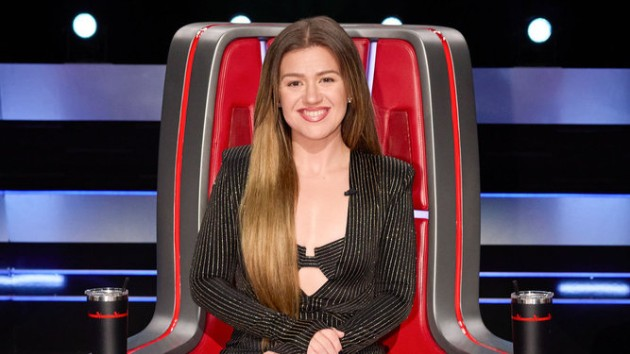
This upcoming season also represents a significant milestone in Clarkson’s long-standing relationship with the show. Season 30 will mark her 11th appearance as a coach, placing her among the most consistent and influential figures in the series’ history. Over the years, she has become known not just for her musical expertise, but for her deeply personal and emotionally invested coaching style, which often resonates strongly with contestants and viewers alike.
Clarkson’s track record as a mentor is one of the strongest in the show’s history. She has guided multiple winners to victory, including Brynn Cartelli, Chevel Shepherd, Jake Hoot, and Girl Named Tom. Each of these victories highlighted different aspects of her coaching ability, from vocal technique and emotional interpretation to stage confidence and artistic identity. Her success has helped define her reputation as more than just a celebrity judge — she is seen as a genuine career-shaping mentor.
What makes her continued involvement particularly meaningful is the timing. This announcement arrives as Clarkson prepares to conclude another major chapter in her career. Her daytime talk show, The Kelly Clarkson Show, is entering its final season, marking the end of a significant era in television for her. The transition from daily talk show host back to full-time competition coaching reflects a shift in focus that has sparked curiosity among fans and industry watchers alike.
The contrast between these two roles — talk show host and singing competition coach — highlights Clarkson’s versatility as an entertainer. On one hand, she has spent years building a platform centered on interviews, storytelling, and human connection. On the other, she has consistently returned to music competition television, where her experience as a former winner of American Idol gives her a uniquely empathetic perspective.
Industry observers note that Clarkson’s presence on The Voice has often elevated emotional storytelling within the competition. Her ability to connect personal experiences with contestant journeys allows her to offer guidance that goes beyond technical critique. This emotional depth has become one of her defining traits as a coach and a major reason viewers remain invested in her return season after season.
Fans have also reacted strongly to the announcement, expressing excitement across social platforms. Many view her return as a stabilizing force for the show, especially at a time when coaching panels often rotate frequently. For long-time viewers, Clarkson represents consistency, authenticity, and emotional grounding within an evolving format.
The upcoming season is expected to carry additional curiosity due to the partial reveal of the coaching lineup. While Clarkson and Levine are confirmed, the remaining slots remain unannounced, leaving room for speculation about possible new or returning faces. This uncertainty has only increased anticipation around how the season will unfold creatively and competitively.
Beyond competition dynamics, Clarkson’s continued presence also raises broader questions about her career direction. Balancing a major network competition series with the conclusion of a successful talk show signals a potential re-centering of her professional focus. Whether this leads to more music-related projects, expanded television roles, or new ventures remains to be seen.
What is already clear, however, is the impact she continues to have on music television. Few artists transition from performer to winner to coach with the same level of sustained influence. Clarkson’s journey reflects a rare full-circle narrative that continues to evolve more than two decades into her career.
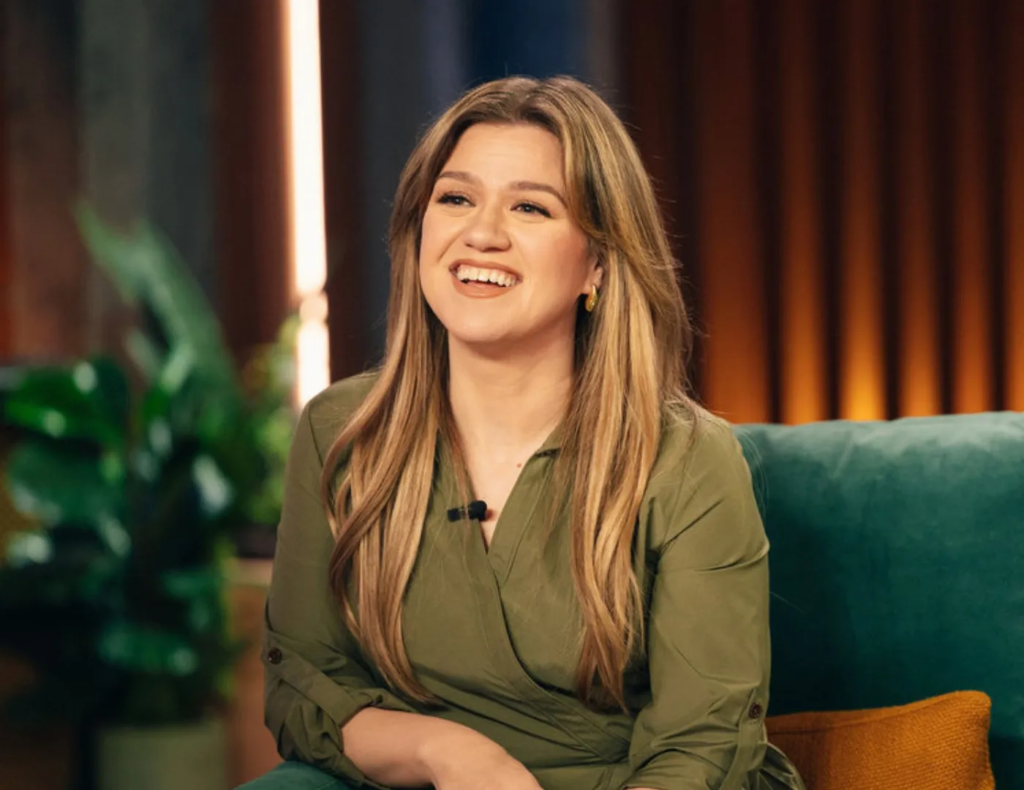
As Season 30 approaches, expectations are high not only for the competition itself but for the emotional storytelling that has become a hallmark of Clarkson’s involvement. Her return ensures that The Voice will once again carry a familiar blend of mentorship, vulnerability, and musical discovery.
And as fans look ahead to the new season, one question lingers with growing intensity — with so many changes happening around her career, is this return to the red chair just another chapter in Clarkson’s television legacy, or the beginning of an even larger reinvention still to come?