
Some concerts are remembered for the songs. Others are remembered for the emotions they leave behind.
Alan Jackson’s farewell performance became both.
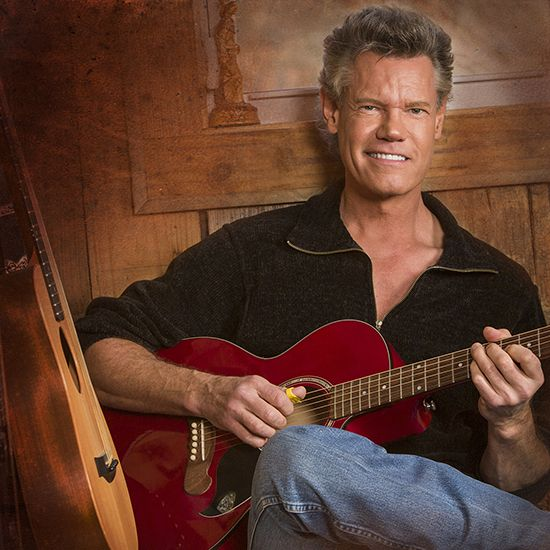
As thousands filled Nashville’s Nissan Stadium, one of country music’s most treasured voices remained far from the spotlight. Randy Travis wasn’t there to perform. He was simply there to listen, reflect, and quietly become part of a moment that no one expected.
When Jon Pardi began singing “She’s Got the Rhythm (And I Got the Blues),” something extraordinary unfolded.
Randy Travis gently mouthed every lyric from his seat. For many, it was just another fan singing along. But those who knew the story understood the weight of every word.
More than three decades earlier, Travis had helped write that very song alongside Alan Jackson during a tour stop. What began as a simple songwriting session eventually became one of Jackson’s signature hits, connecting their names forever.
Time, however, has asked both legends to carry heavy burdens. Randy Travis continues living with aphasia after the devastating stroke that changed his life, while Alan Jackson’s farewell came as he faced the progression of Charcot-Marie-Tooth disease. Their careers may have been shaped by different battles, but both understand what it means to lose pieces of the life they once knew.
Yet music has always followed different rules.

Even when speech becomes difficult, melodies often remain untouched. Familiar songs can awaken memories, emotions, and connections that exist far beyond ordinary conversation. Watching Travis quietly sing reminded everyone that some parts of the human spirit remain unreachable, even by illness.
The beauty of the evening wasn’t found in elaborate production or standing ovations. It lived in a silent exchange between two lifelong friends whose shared history echoed through a song they helped bring into the world.
As Alan Jackson closed one remarkable chapter of his career, Randy Travis unintentionally reminded everyone why country music matters. Long after voices change and stages grow quiet, the songs continue telling stories that neither time nor hardship can erase—and perhaps that is the greatest legacy any artist could ever leave behind.