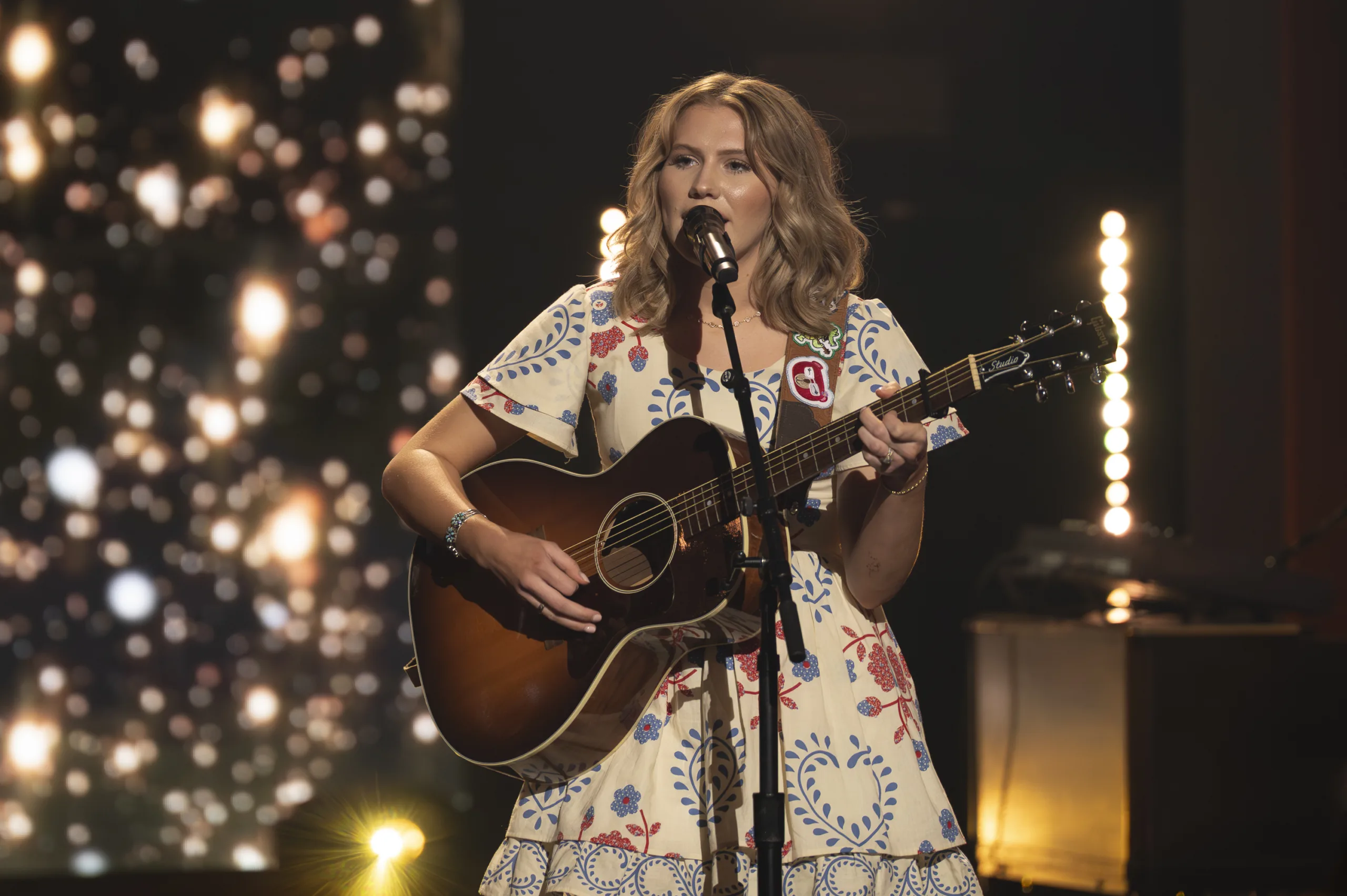
Some performers need time to settle into a stage. Others spend their first song trying to win over an audience. Hannah Harper needed neither. The moment she stepped into the spotlight at Rudy Fest, the atmosphere changed before a full verse had even passed. There was a quiet confidence in the way she carried herself, as though she belonged there long before anyone else realized it. The audience recognized it instantly, and from that point on, every eye remained fixed on the stage.
The first notes floated effortlessly through the venue, but it wasn’t simply the quality of her voice that drew people in. It was the emotion behind every lyric and the sincerity in every expression. Instead of performing for the crowd, she seemed to perform with them, creating an invisible connection that made thousands of strangers feel like part of the same story.
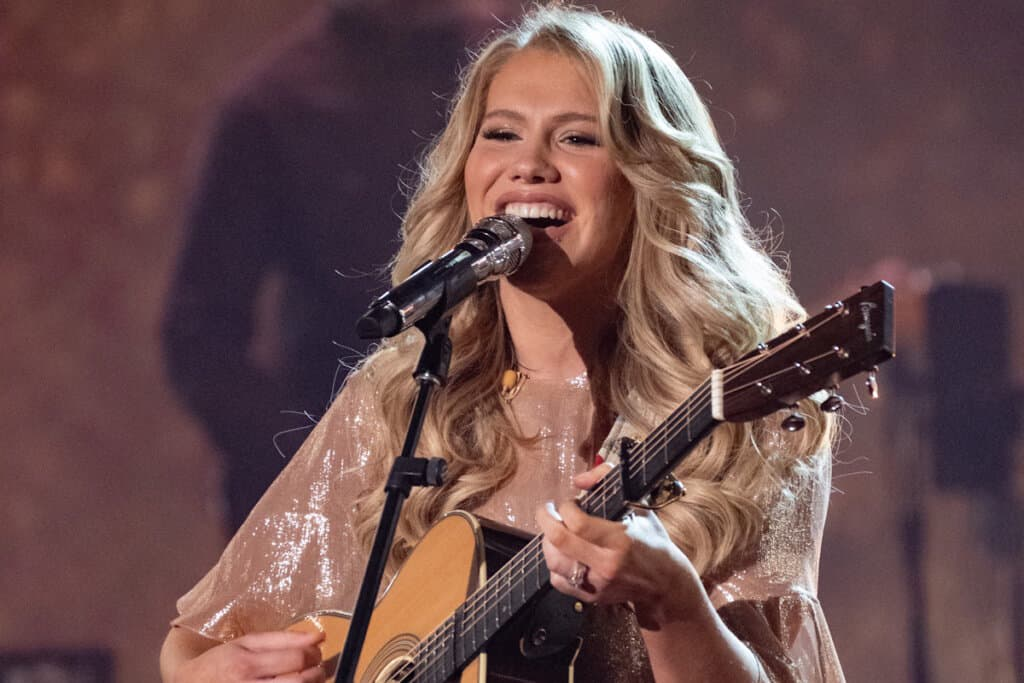
As her opening song came to an end, applause echoed throughout the festival grounds. Yet something unusual happened next. The cheering didn’t feel like the conclusion of a great performance—it felt like the beginning of something much bigger. The audience wasn’t satisfied with admiration alone; they wanted to follow wherever the next song would take them.
Then came the second performance.
Somewhere between the opening verse and the chorus, the energy transformed completely. Conversations disappeared. Phones slowly lowered. Even those who had wandered to the back of the venue found themselves turning toward the stage. It wasn’t because of dramatic effects or elaborate production. It was because Hannah Harper had captured something that no lighting rig or fireworks display could ever manufacture—complete attention.
There is a rare difference between singing songs and telling stories through music. The best performers understand that every lyric carries emotion, every pause creates anticipation, and every glance toward the audience can speak louder than another note. Hannah demonstrated that understanding throughout the night. Every movement felt natural, every smile genuine, and every quiet moment carried just as much weight as the biggest vocal run.
Perhaps that is why the performance lingered long after each song ended. Festivals often move quickly, with one artist following another in rapid succession. Audiences cheer, record videos, and prepare for the next act almost immediately. Rudy Fest felt different during Hannah’s set. Time seemed to slow, allowing people to fully absorb what was unfolding in front of them.
Her stage presence never relied on excess. There were no distractions competing for attention, no unnecessary theatrics trying to elevate the moment. Instead, she trusted the music, trusted her voice, and trusted the audience enough to let authenticity become the headline. That decision gave the performance a timeless quality that many concerts strive for but rarely achieve.
The reaction from the crowd reflected exactly that. Faces lit up with genuine smiles. Friends exchanged knowing glances after particularly moving lyrics. Fans sang along whenever they recognized familiar lines, while newcomers quickly became listeners who seemed eager to discover more. By the end of the set, it no longer mattered who had arrived already knowing her music and who had not. Everyone shared the same experience.
Moments like these are difficult to recreate because they cannot be scripted. They happen when preparation meets opportunity and talent meets the perfect audience. Rudy Fest became more than another stop on a performance schedule. It became one of those evenings that attendees will likely revisit in conversations months or even years from now, remembering not only the songs but the feeling that accompanied them.
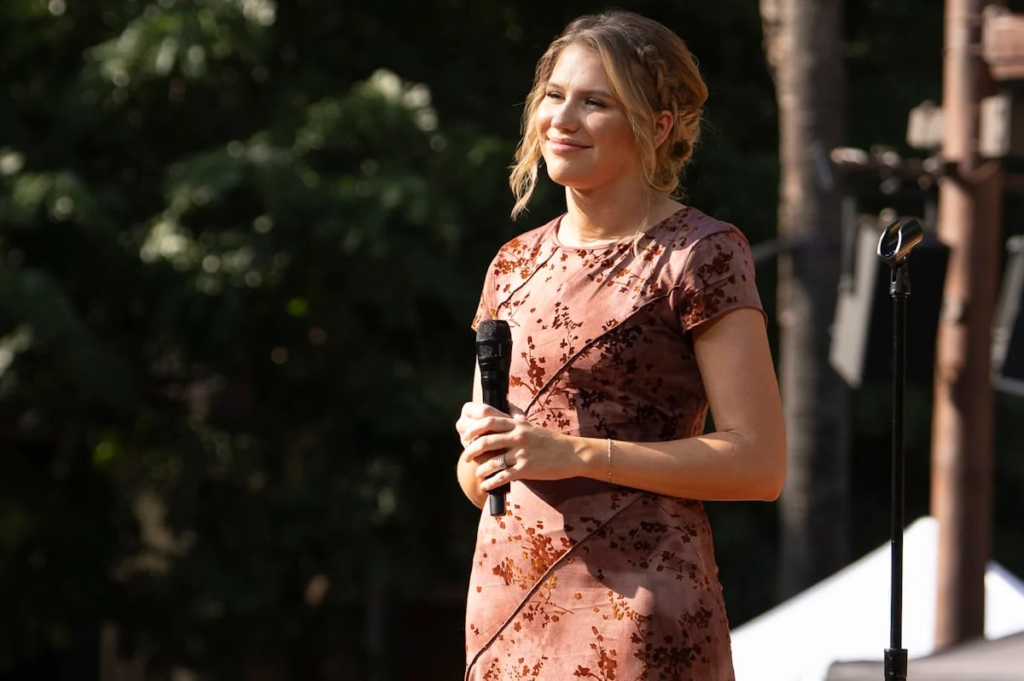
The photographs captured throughout the evening tell only part of the story. Michael Boggs Photography preserved remarkable images of Hannah Harper commanding the stage, but every photograph also hints at something beyond the frame—the emotion in the crowd, the anticipation between songs, and the connection that transformed a live show into an unforgettable shared experience. Those images freeze a single second in time, while the memories created that night continue moving forward with everyone who witnessed them.
When the final notes faded and the lights slowly settled, applause filled the air one last time. It wasn’t simply appreciation for a talented artist delivering a polished performance. It was gratitude for being present during a moment that felt authentic from beginning to end. Hannah Harper didn’t just perform at Rudy Fest. She transformed an ordinary festival evening into a memory people will carry with them long after the stage was packed away, proving once again that the most unforgettable performances aren’t always the loudest—they’re the ones that make an audience feel every single note.