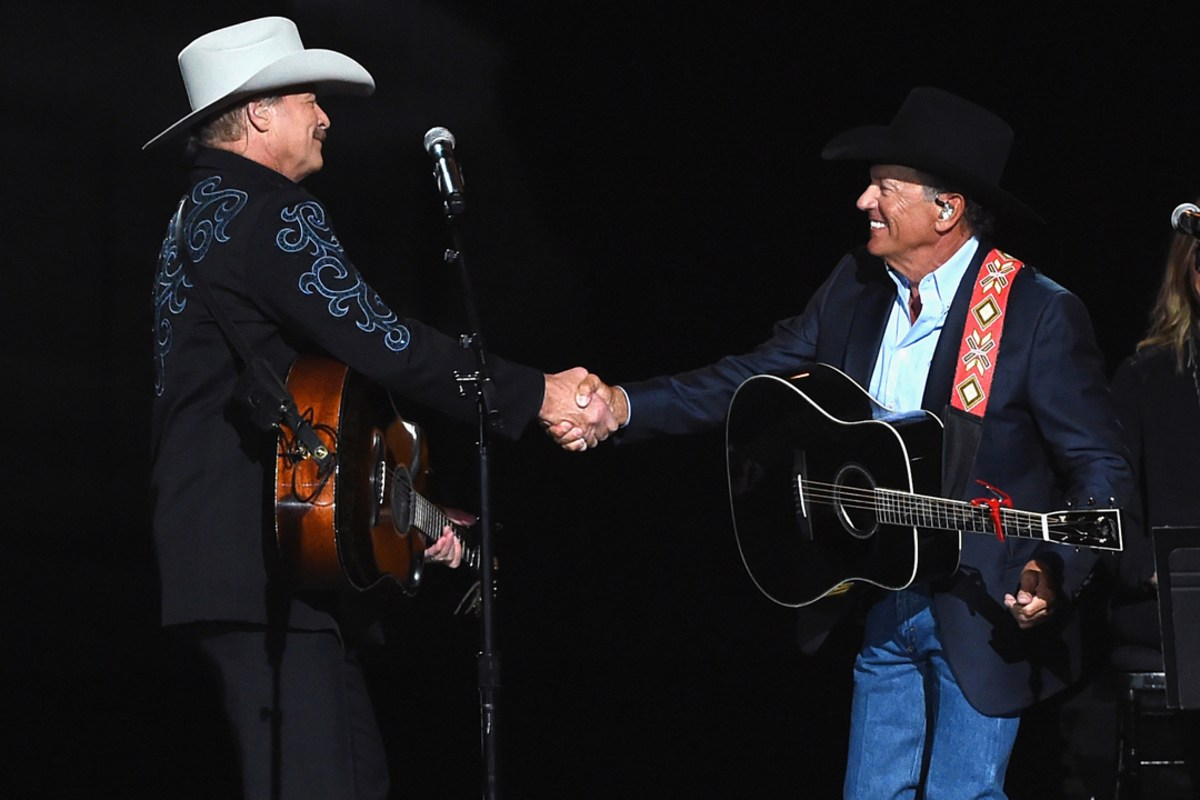

There are songs that climb the charts, and then there are songs that challenge an entire industry. Few recordings have ever done the latter as boldly as the one Alan Jackson and George Strait chose to stand behind.
At a time when polished production and crossover success were becoming the new standard, traditional country music was slowly being pushed aside. The instruments and storytelling that once defined the genre were losing their place in the spotlight.
Instead of following the trend, these two legends chose to confront it. They delivered a message that echoed far beyond radio stations, reminding listeners that country music was built on honesty long before it was built on popularity.
Their words carried a simple but powerful warning. If the genre forgot where it came from, it risked losing the very identity that made millions fall in love with it in the first place.
The song quickly became more than music. It became a conversation among fans who believed steel guitars, fiddles, and heartfelt storytelling deserved to remain at the heart of country music.
Years have passed, yet that conversation has never truly disappeared. Every generation faces the same question: should country evolve by leaving its roots behind, or grow while honoring the traditions that shaped it?
Today’s artists continue to answer that question in their own way. Performers like Ella Langley, Cody Johnson, and Miranda Lambert have embraced classic influences while proving traditional country still resonates with modern audiences.
Their success shows that authenticity never becomes outdated. Listeners continue to connect with songs that speak from experience instead of chasing whatever happens to be fashionable.
Alan Jackson has remained remarkably consistent throughout his career. He never abandoned the sound that introduced him to the world, and that unwavering commitment earned the respect of generations of country music fans.
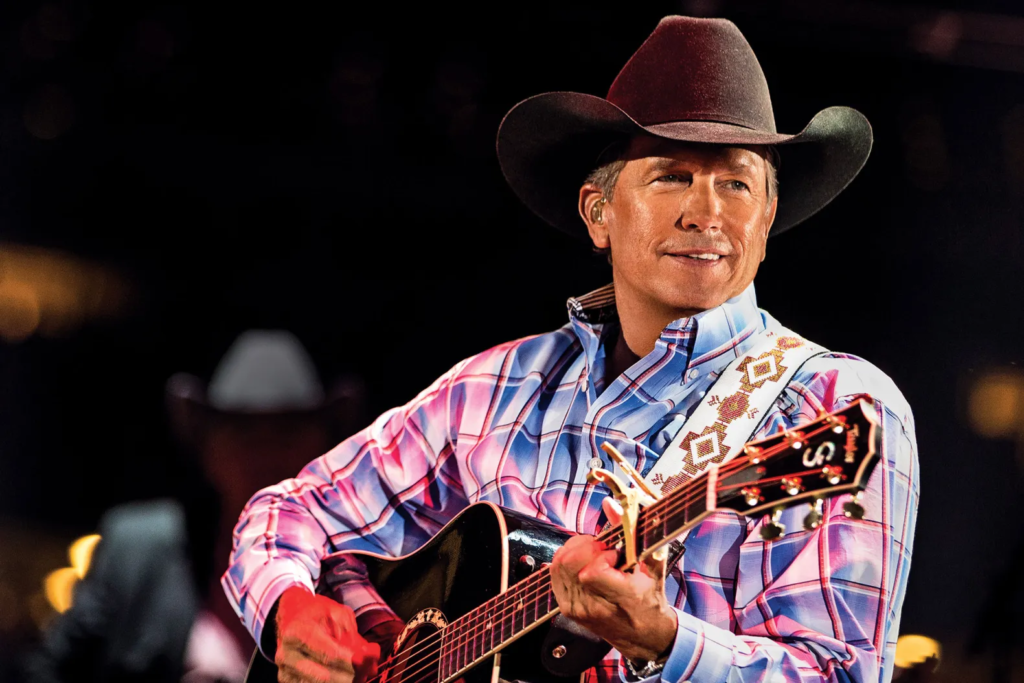
That is why this song still feels timeless. It wasn’t simply criticizing an era—it was defending a legacy. And as long as artists continue to value honest songwriting over passing trends, the spirit behind its message will keep echoing through every steel guitar, every fiddle, and every country stage.