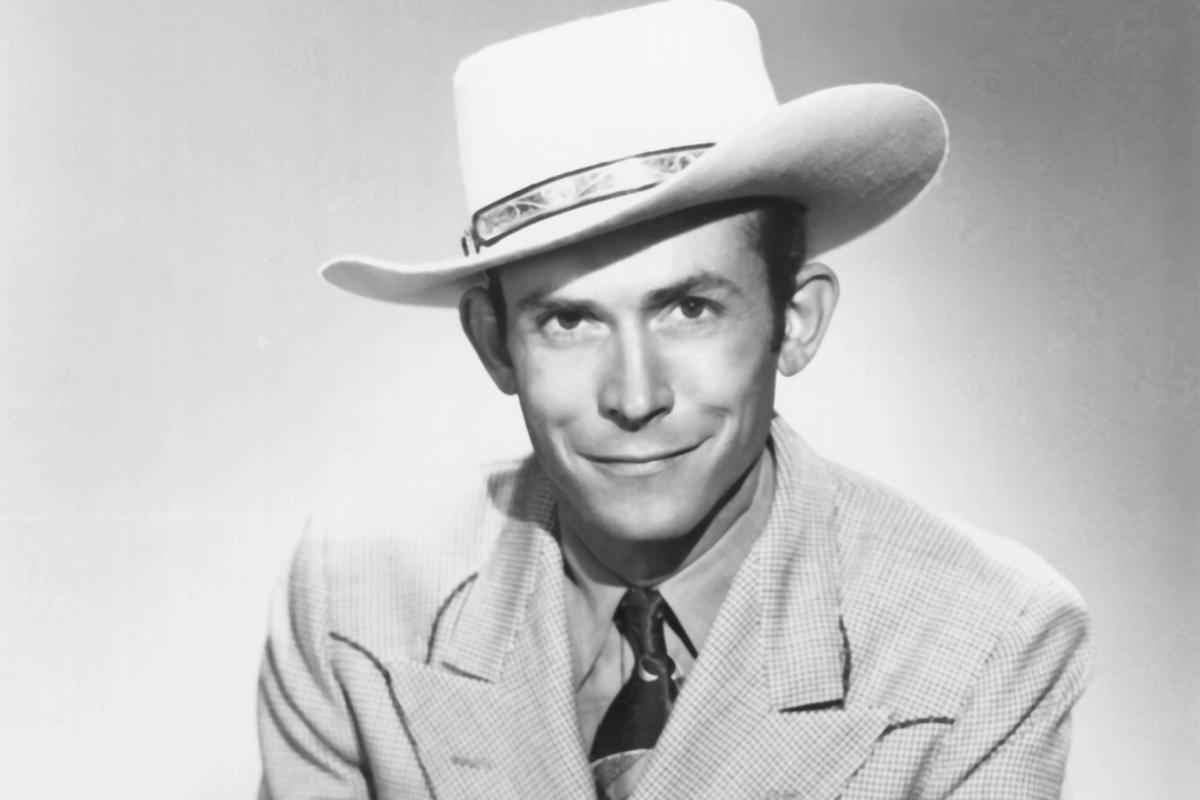
History has a way of remembering the moments that almost ended everything. In 1952, Hank Williams stood at one of the darkest crossroads of his extraordinary career. The Grand Ole Opry, the very institution that had helped define country music, had closed its doors on him. Personal struggles, missed performances, and growing public scrutiny had overshadowed the brilliance of one of the greatest songwriters America had ever known. To many observers, it looked like the final chapter of a remarkable but heartbreaking story.
For countless artists, losing a place on the Grand Ole Opry would have marked the beginning of obscurity. The Opry represented more than a performance venue—it was the pinnacle of country music success. Being removed from that stage carried enormous symbolic weight, leading many to believe Hank’s career could never recover.
Yet greatness has a remarkable way of refusing to disappear quietly.
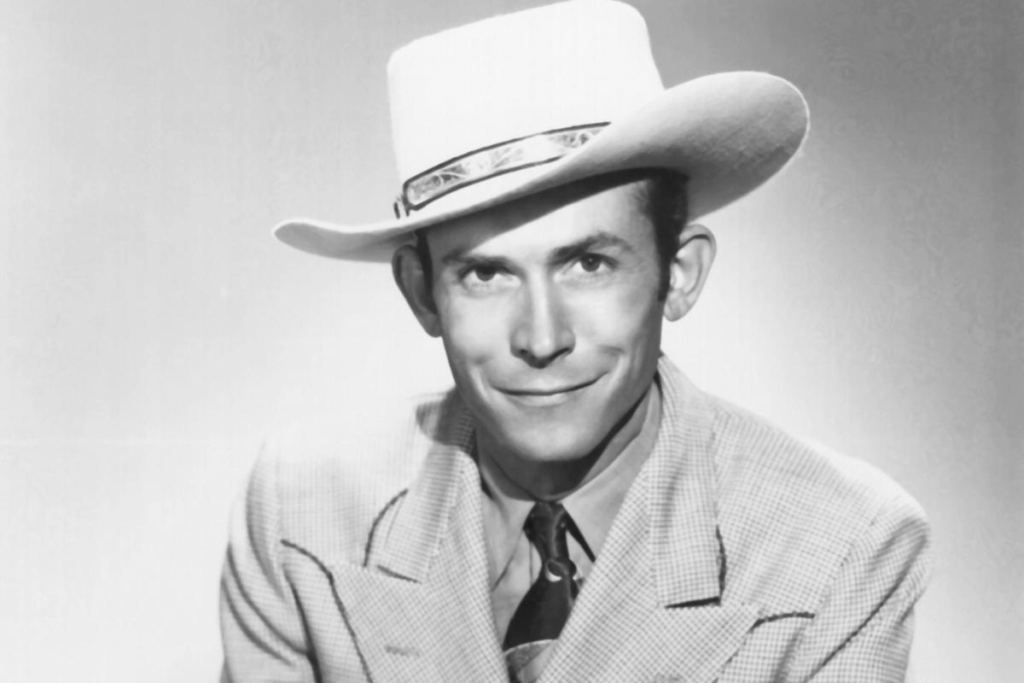
Rather than retreating from public view, Hank returned to a place that had believed in him long before superstardom arrived—the Louisiana Hayride. Located in Shreveport, Louisiana, the Hayride had played an important role in launching his career, giving him an audience eager to hear his songs when few others fully understood his extraordinary talent.
As he walked toward the microphone, there were no guarantees waiting for him. He carried with him the weight of criticism, personal pain, and uncertainty about what the future might hold. His guitar remained one of the few constants in a life that had become increasingly difficult to navigate. The audience knew his struggles, but they also remembered something equally important—the songs that had touched their hearts.
Then he began to sing.
Almost instantly, the atmosphere inside the venue changed. The crowd wasn’t listening to headlines or rumors. They weren’t judging past mistakes or personal hardships. They were listening to the unmistakable voice that had already reshaped country music. Every lyric reminded listeners why Hank Williams had become one of the genre’s defining artists. For those few precious moments, nothing else mattered except the music.
The response was overwhelming. Instead of seeing a fallen star attempting a comeback, fans welcomed him home. Applause echoed throughout the venue, not out of sympathy, but out of admiration. Their reaction became a powerful reminder that audiences often remember artists for their gifts long after institutions have moved on.
That evening also revealed something timeless about music itself. Awards, contracts, and prestigious stages certainly matter, but they are not what ultimately determine an artist’s legacy. True influence is measured by the emotional connection created between performer and listener. Hank had built that connection years earlier, and no professional setback could erase it from the hearts of those who loved his music.
Looking back today, the Louisiana Hayride performance carries even greater emotional significance because of what followed. Only a few months later, Hank Williams’ life came to a tragic end at just twenty-nine years old. His career was heartbreakingly brief, yet its influence remains almost unmatched. Songs he wrote decades ago continue inspiring artists, filling concert halls, and introducing new generations to the soul of traditional country music.
Perhaps that is why this chapter continues resonating so deeply with music lovers. It reminds us that setbacks do not always define the final outcome of a person’s story. Sometimes the moments that appear to signal defeat become the very events that strengthen an artist’s legend. Hank’s return to the Louisiana Hayride wasn’t simply another performance—it became a testament to resilience, authenticity, and the unbreakable bond between a musician and the people who believe in them.
The power of that night reaches far beyond country music. Every artist, athlete, writer, and dreamer eventually encounters rejection. Careers rise and fall. Opportunities appear and disappear. Yet Hank Williams demonstrated that one closed door cannot erase genuine talent or silence a voice that continues speaking directly to people’s hearts.
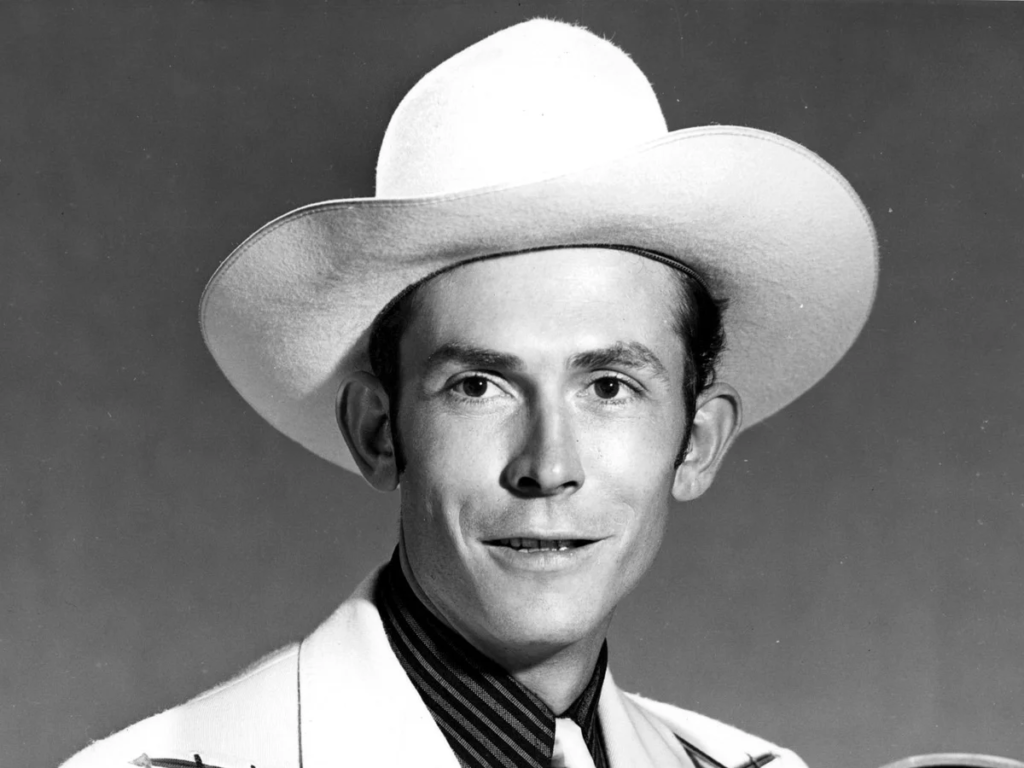
More than seventy years later, his songs remain woven into the fabric of American music. New artists continue drawing inspiration from his songwriting, audiences continue singing every word, and historians continue recognizing his immeasurable impact on the genre. The Grand Ole Opry chapter became only one page of a much larger story.
In the end, Hank Williams proved something far greater than whether one performance could revive a struggling career. He showed that true legends are never created solely by famous stages or prestigious institutions. They are created by audiences who refuse to forget the artists who gave them songs that became part of their own lives. Long after the lights fade and the curtains close, it is that enduring connection that transforms gifted performers into timeless legends.