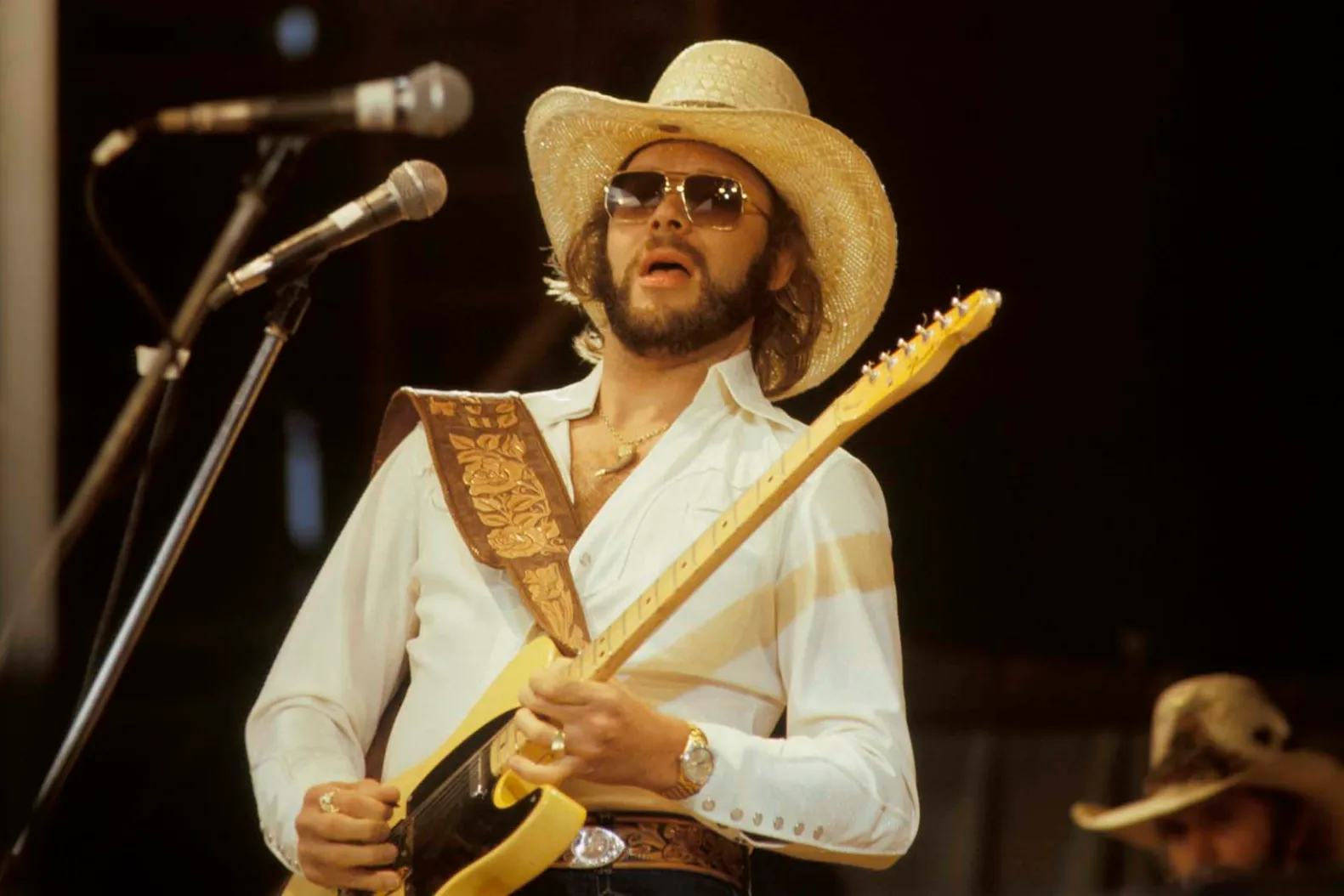
In the history of country music, few moments have carried as much heartbreak as the day Hank Williams lost his place on the stage he helped define. To many, it seemed impossible that the voice behind timeless classics could ever be shown the door. Yet fame has never guaranteed forgiveness, and even legends are not immune to the consequences of personal battles. When the Grand Ole Opry dismissed Hank Williams in 1952, it looked as though country music’s brightest flame had begun to burn out.
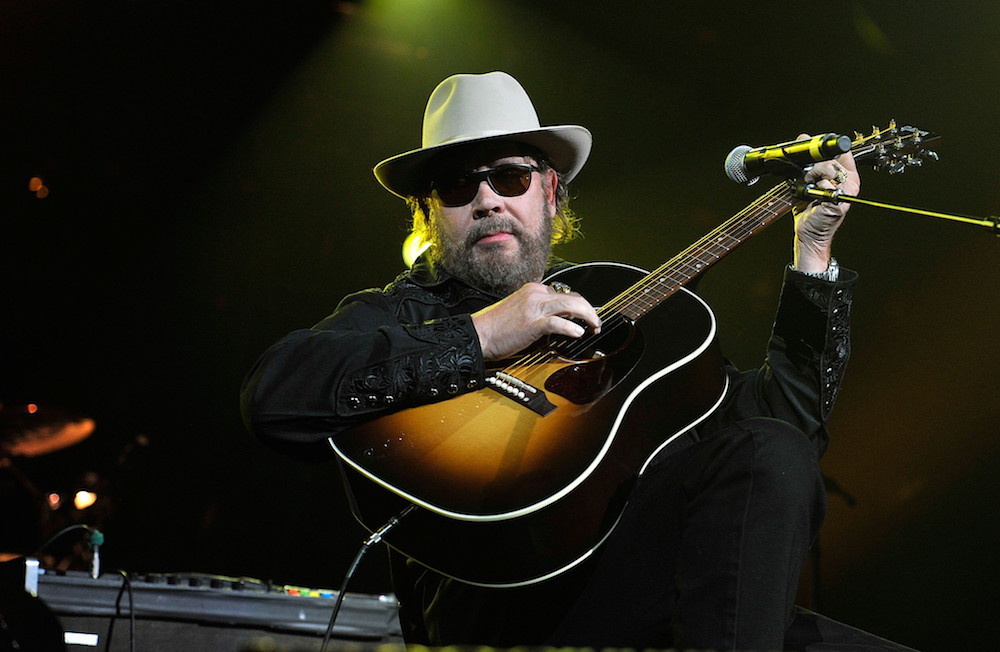
Behind the headlines was a man carrying far more than audiences could see. Years of relentless touring, chronic back pain, dependence on alcohol and pain medication, and the weight of a collapsing personal life had taken their toll. Every missed appearance and broken promise chipped away at the trust of those around him. The Opry ultimately chose discipline over loyalty, believing the institution had to protect its reputation above all else.
For many artists, such a public fall would have marked the quiet end of an extraordinary career. Losing the industry’s most prestigious stage often meant losing the audience that came with it. Critics assumed Hank’s greatest songs were now behind him, and whispers spread that country music had already begun searching for its next hero. The man who had once stood at the very center of Nashville suddenly found himself standing outside its gates.
But greatness has a remarkable way of finding another stage.
Only weeks after his dismissal, Hank returned to a place that had believed in him long before the spotlight of Nashville ever arrived. The Louisiana Hayride wasn’t simply another radio show. It had been one of the earliest platforms to recognize the raw honesty in his songwriting and the unmistakable ache in his voice. Returning there wasn’t just another booking—it felt like coming home after being told you no longer belonged anywhere else.
When Hank stepped toward the microphone, there were no elaborate speeches or attempts to explain the chaos surrounding his life. He let the music do what words never could. As the opening notes of “Jambalaya (On the Bayou)” filled the room, something extraordinary happened. The audience wasn’t interested in scandal, gossip, or headlines. They responded to the artist they had always loved, cheering with a passion that no newspaper could erase.
In that unforgettable moment, the crowd reminded everyone of an uncomfortable truth. Institutions may decide who appears on their stages, but they cannot determine who lives in people’s hearts. The applause wasn’t merely appreciation for another performance. It was a declaration that the connection between an artist and the public often runs deeper than contracts, policies, or professional judgments.
Watching Hank perform that night, people didn’t see a disgraced celebrity struggling beneath the weight of his mistakes. They saw a gifted storyteller whose music had become woven into their own lives. His songs had comforted broken hearts, filled dance halls, and echoed through family gatherings across America. Those memories could never be dismissed with a termination letter.
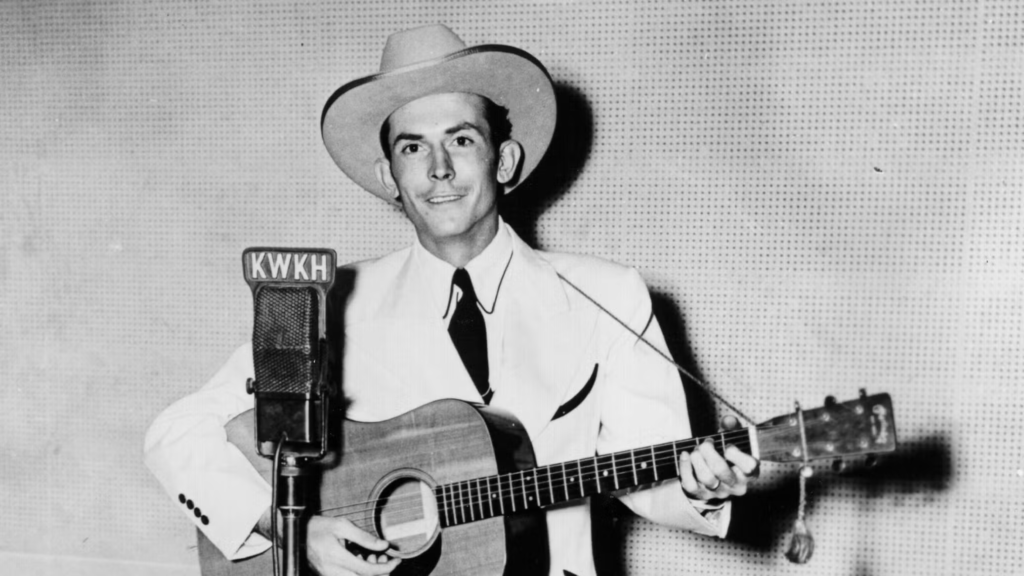
Sadly, time was slipping away faster than anyone realized. Only a few months later, on New Year’s Day in 1953, Hank Williams died while traveling to another performance. He was just twenty-nine years old. His remarkable career ended far too soon, leaving behind countless questions about what more he might have created had life offered him a little more time and a little more peace.
Yet death has never managed to silence true artistry. Decades after his passing, Hank’s influence remains unmistakable. Generations of country musicians continue to study his songwriting, admire his emotional honesty, and recognize that many of the genre’s greatest traditions trace directly back to him. His music didn’t survive because an institution protected it. It survived because listeners carried it forward from one generation to the next.
Perhaps that is the greatest lesson hidden within this chapter of country music history. Awards fade, memberships end, and prestigious stages eventually belong to someone else. But authentic art has a different destiny. When a song speaks honestly to people’s lives, it escapes the limits of time, criticism, and even the failures of the person who created it.
The night Hank Williams returned to Louisiana proved that legends are not defined solely by their highest triumphs. Sometimes they are shaped most powerfully by the way audiences stand beside them when everything else has fallen apart. Nashville may have closed one famous door, but the voices rising from that Louisiana crowd opened another that has never truly closed. Long after the lights faded and the applause ended, Hank Williams continued singing through every artist inspired by his legacy—and that is a stage no one could ever take away.